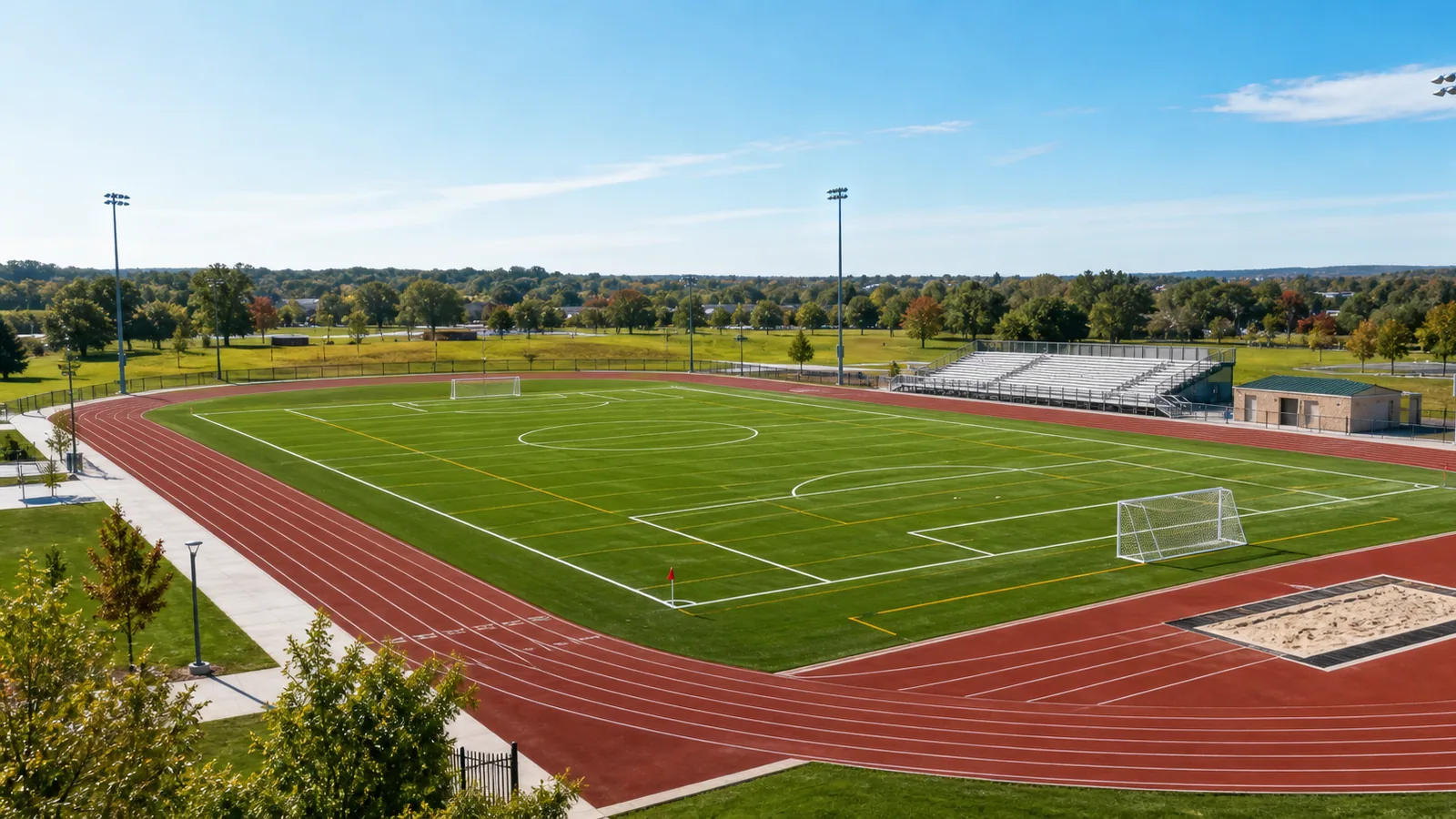
Plan a sport field in Batavia, Montana
This page is meant to get you from local planning context to a real mapped estimate. Review the data, then use the estimator to draw the actual sport field and choose the options that affect the range.
Estimate sport field cost in Batavia, Montana
Use the calculator for quick numbers, then carry the details into the map estimator when you want the actual property layout, measurements, photos, and quote request packet.
This starts with Batavia, Montana page-level context. Add an exact address or ZIP inside the calculator when you want tighter property-level location detail.
Sport Field options
All sport field styles available for Batavia, Montana planning
These match the style choices available in the estimator, so visitors can compare the full option set before drawing the project on the property map.
Planning note: These are the same option families available in the estimator.
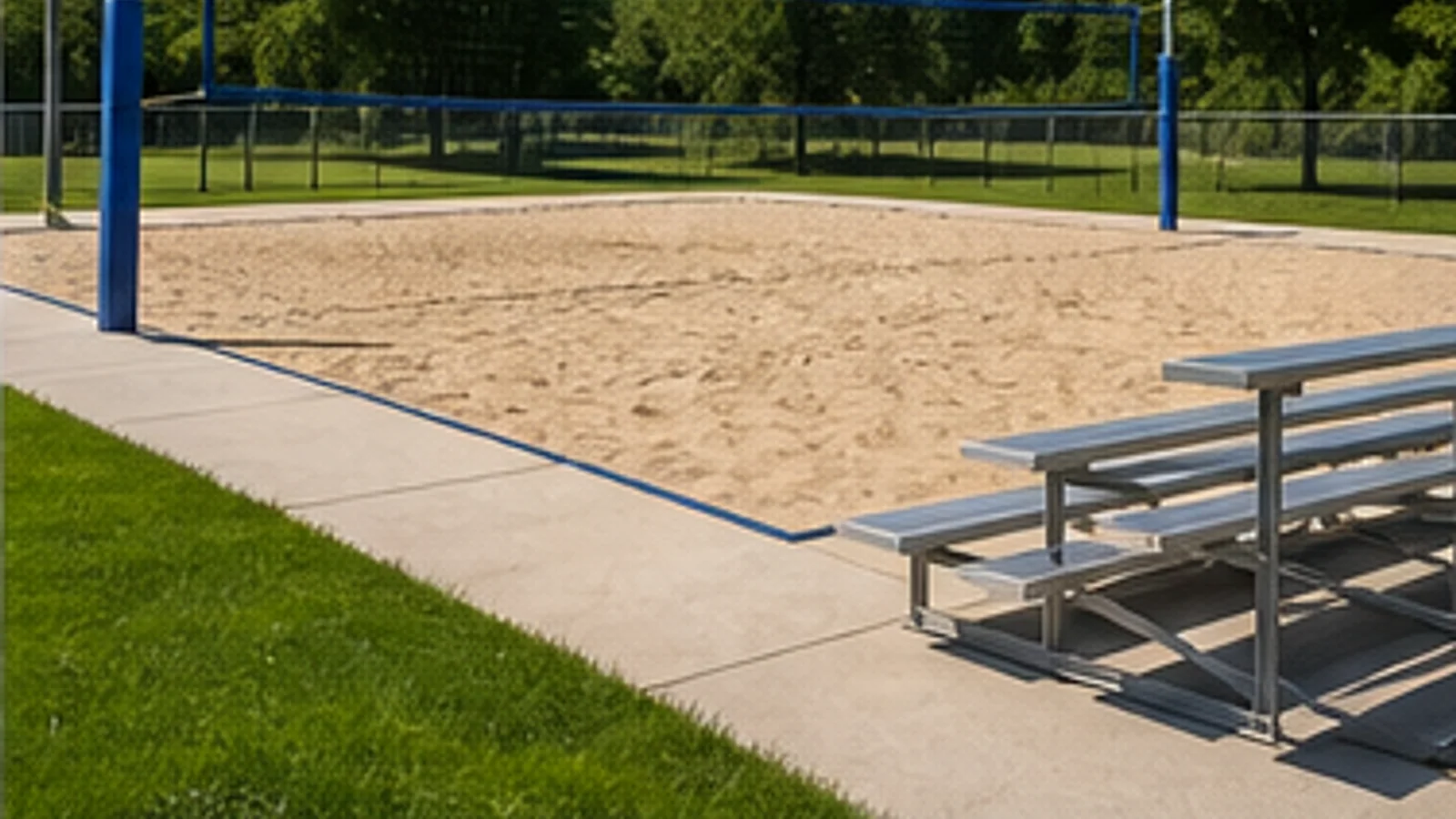
Outdoor volleyball court
Outdoor sand volleyball planning for court footprint, free zone, sand depth, drainage, edging, net system, and lighting-ready prep.
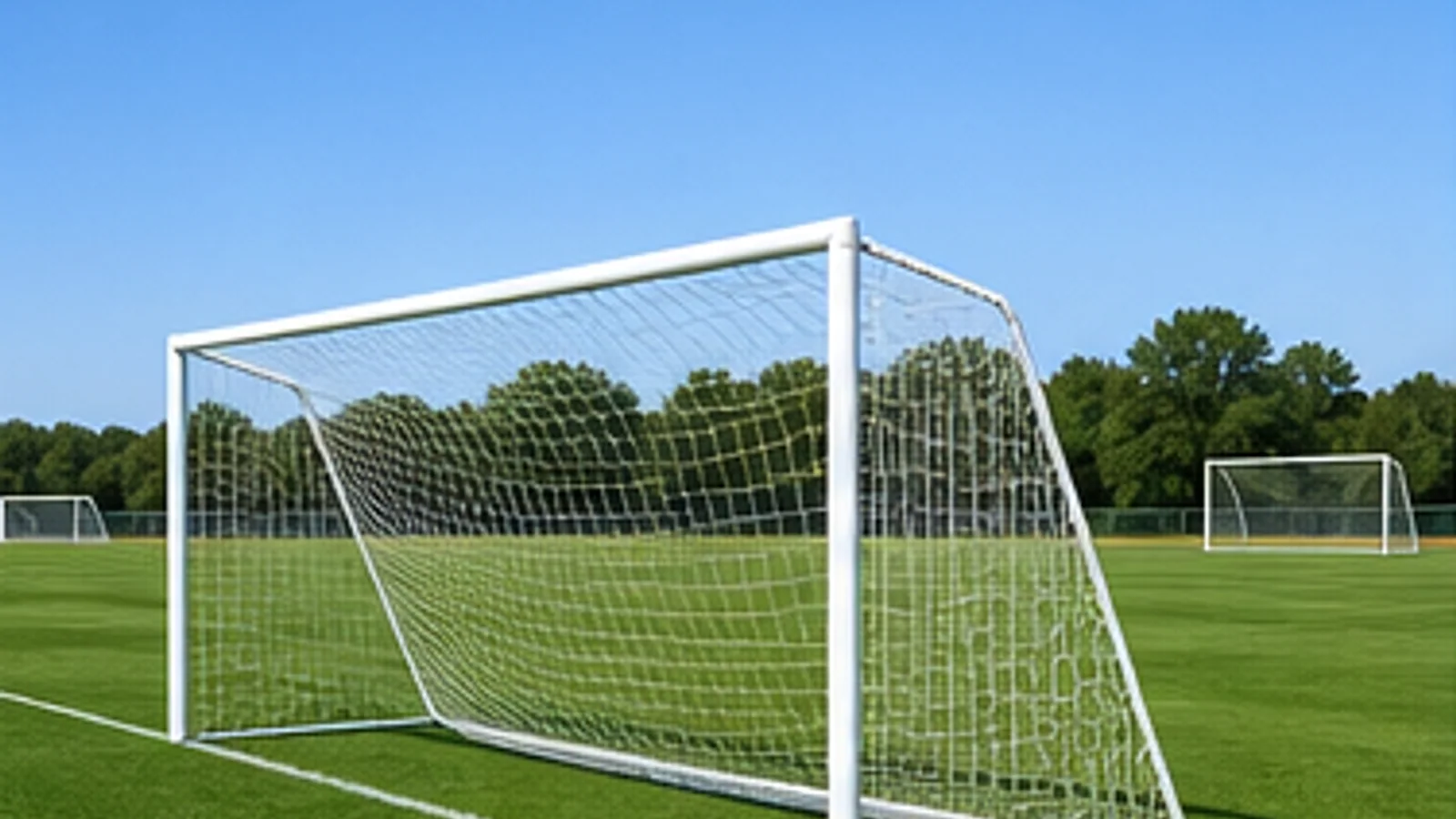
Soccer field
Rectangular soccer field planning for youth, school, club, park, and larger competition layouts.
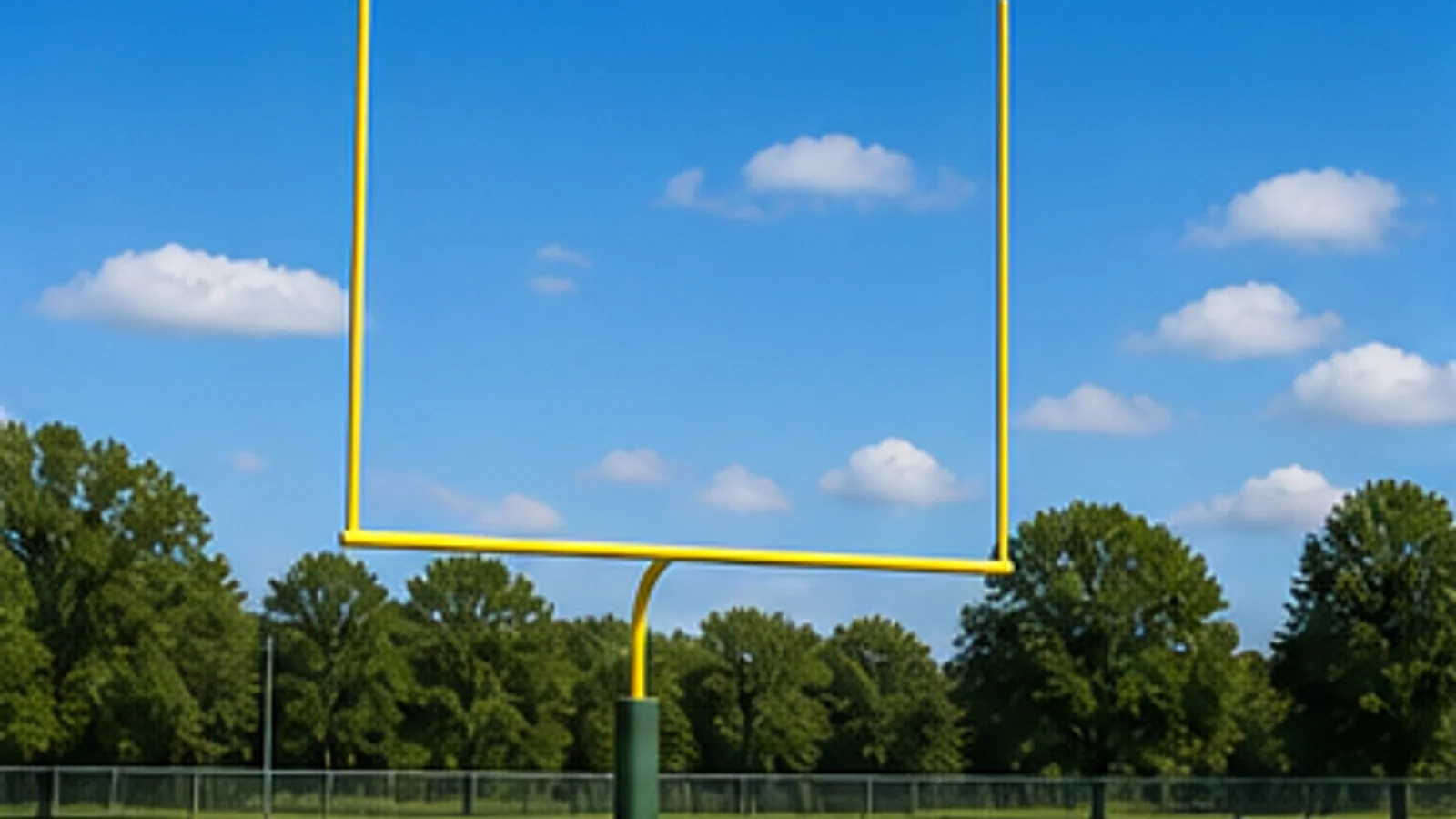
Football field
Football field planning for rectangular turf or grass layouts, markings, goals, drainage, and seating.
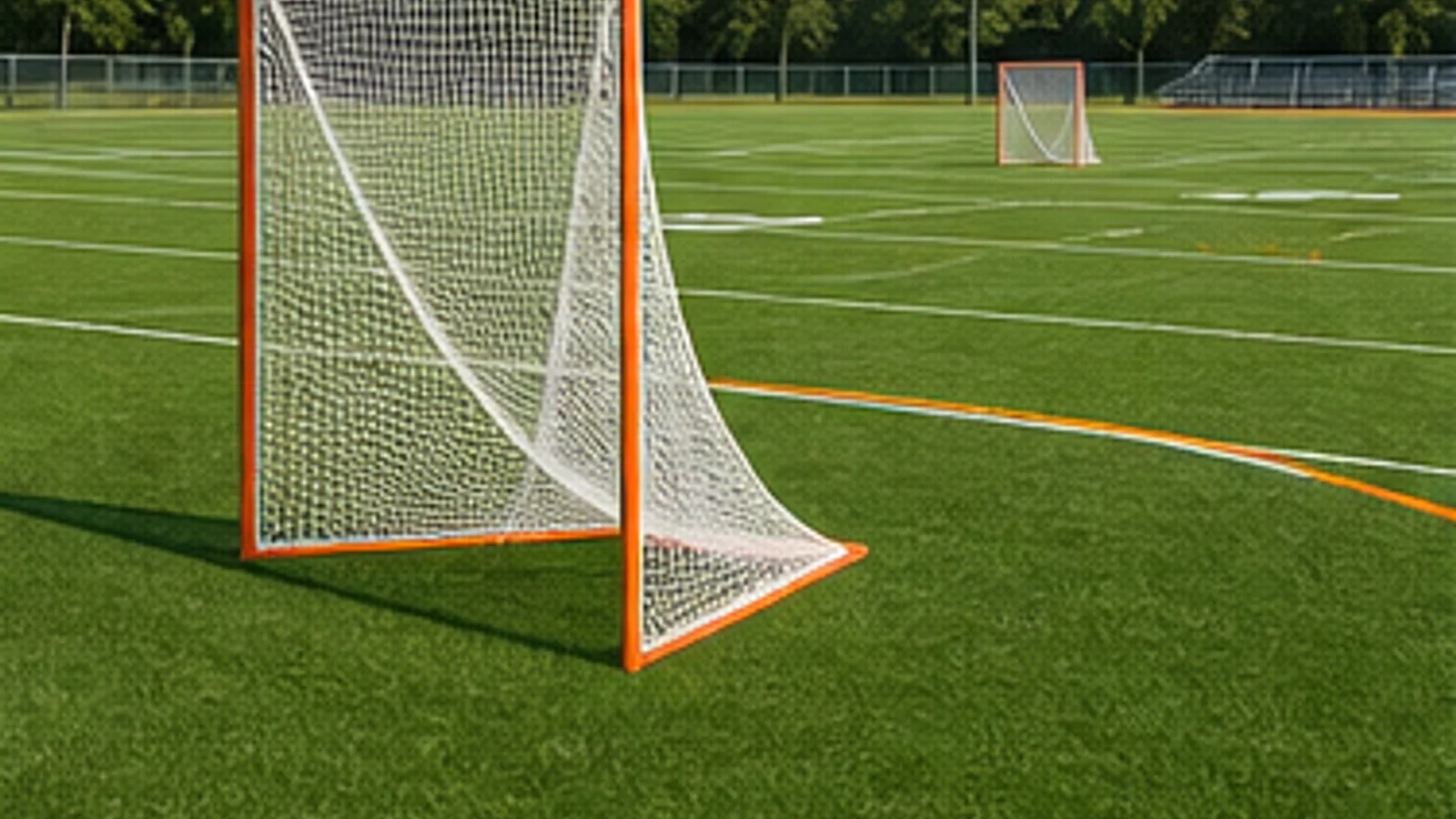
Lacrosse field
Lacrosse field planning for youth, school, club, and multi-use rectangular layouts with goals, lines, and safety runoff.
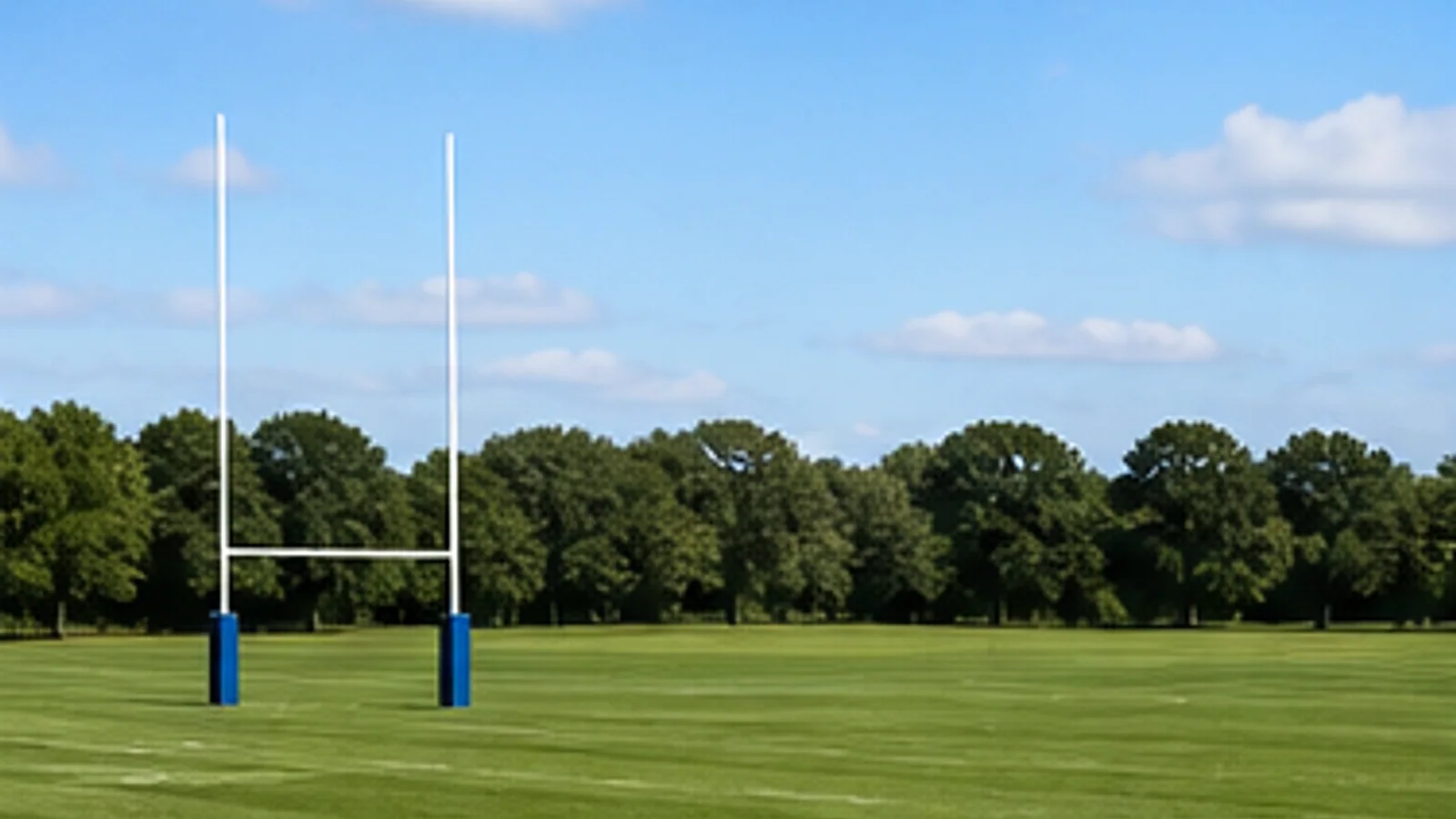
Rugby field
Rugby pitch planning for practice or match layouts, goal posts, markings, turf, grass, drainage, and runoff space.
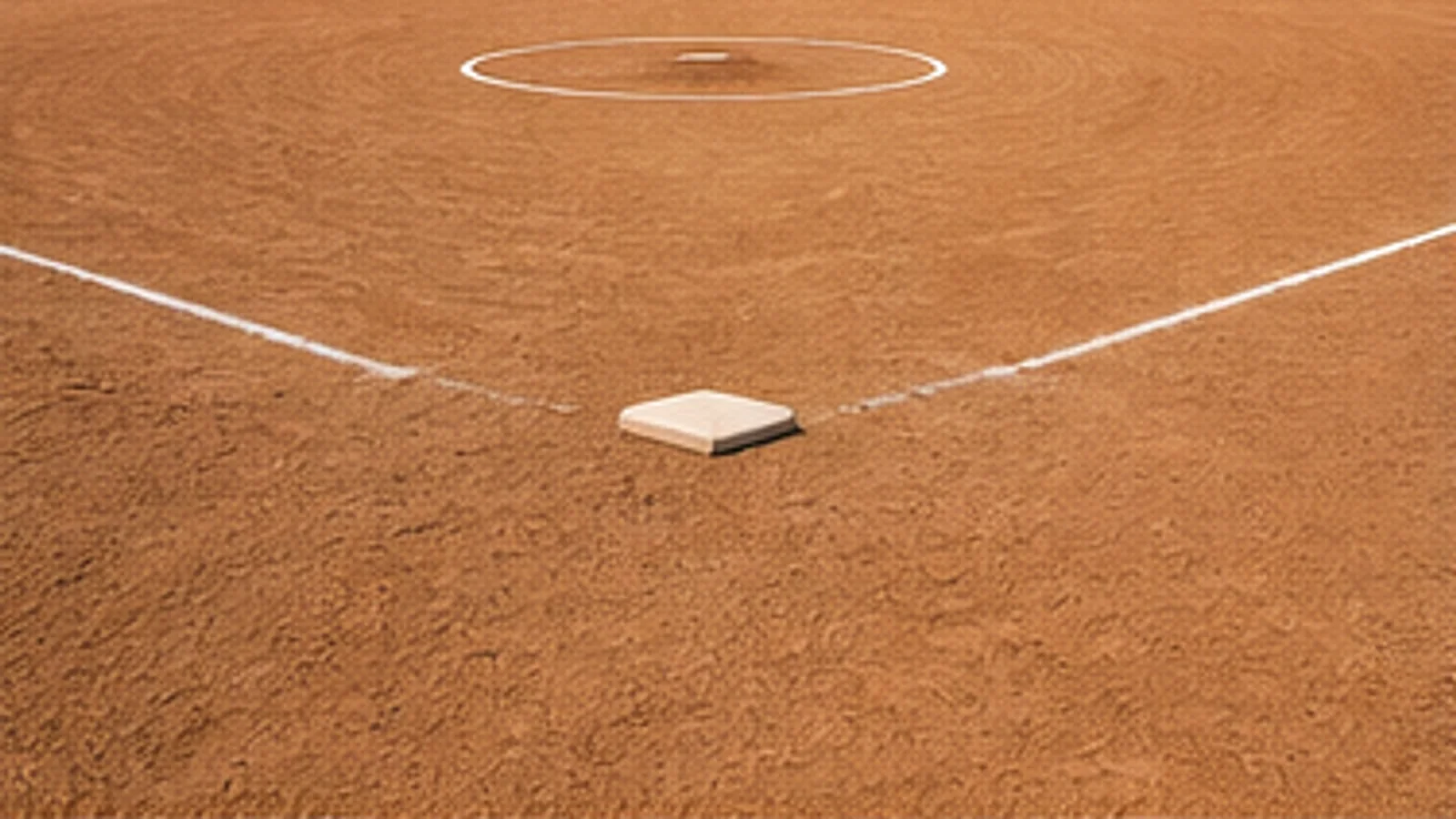
Softball field
Softball field planning for infield, outfield, fencing, dugouts, backstop, and park or school field needs.
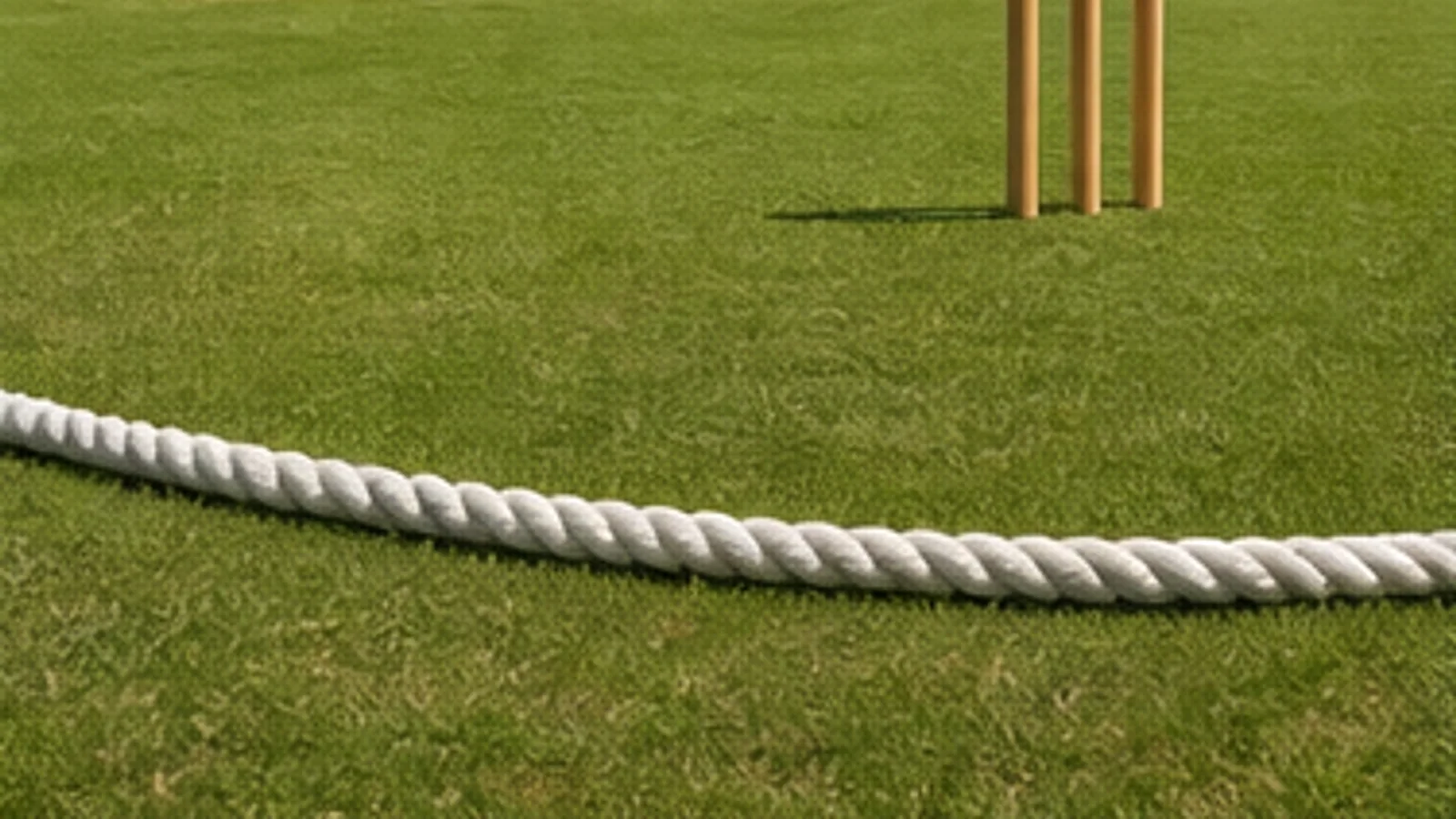
Cricket field
Cricket oval planning for turf outfield, pitch square, boundary rope, sight screens, and practice or club facilities.
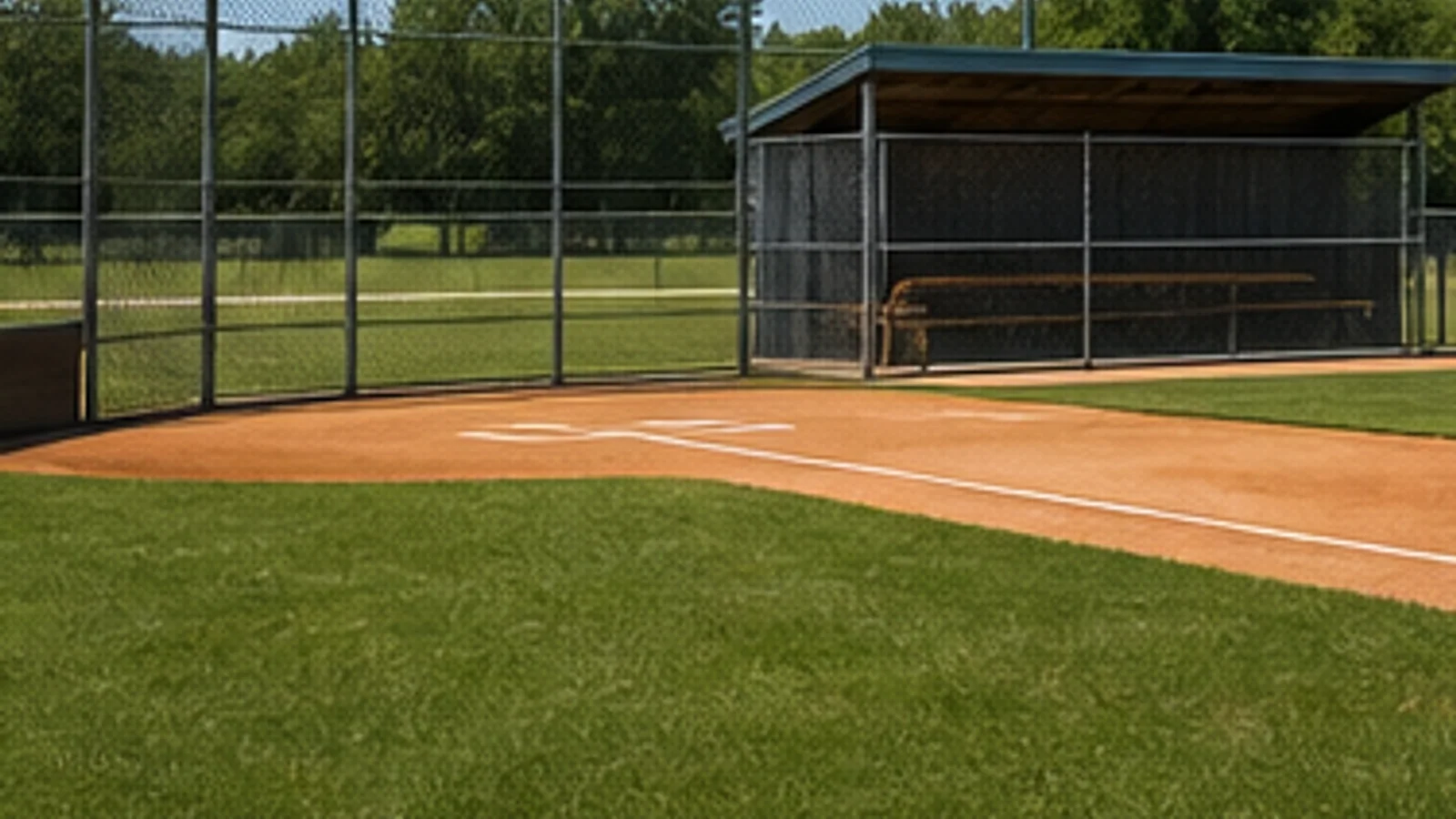
Baseball field
Baseball field planning for infield mix, outfield surface, fencing, dugouts, backstop, and optional seating.
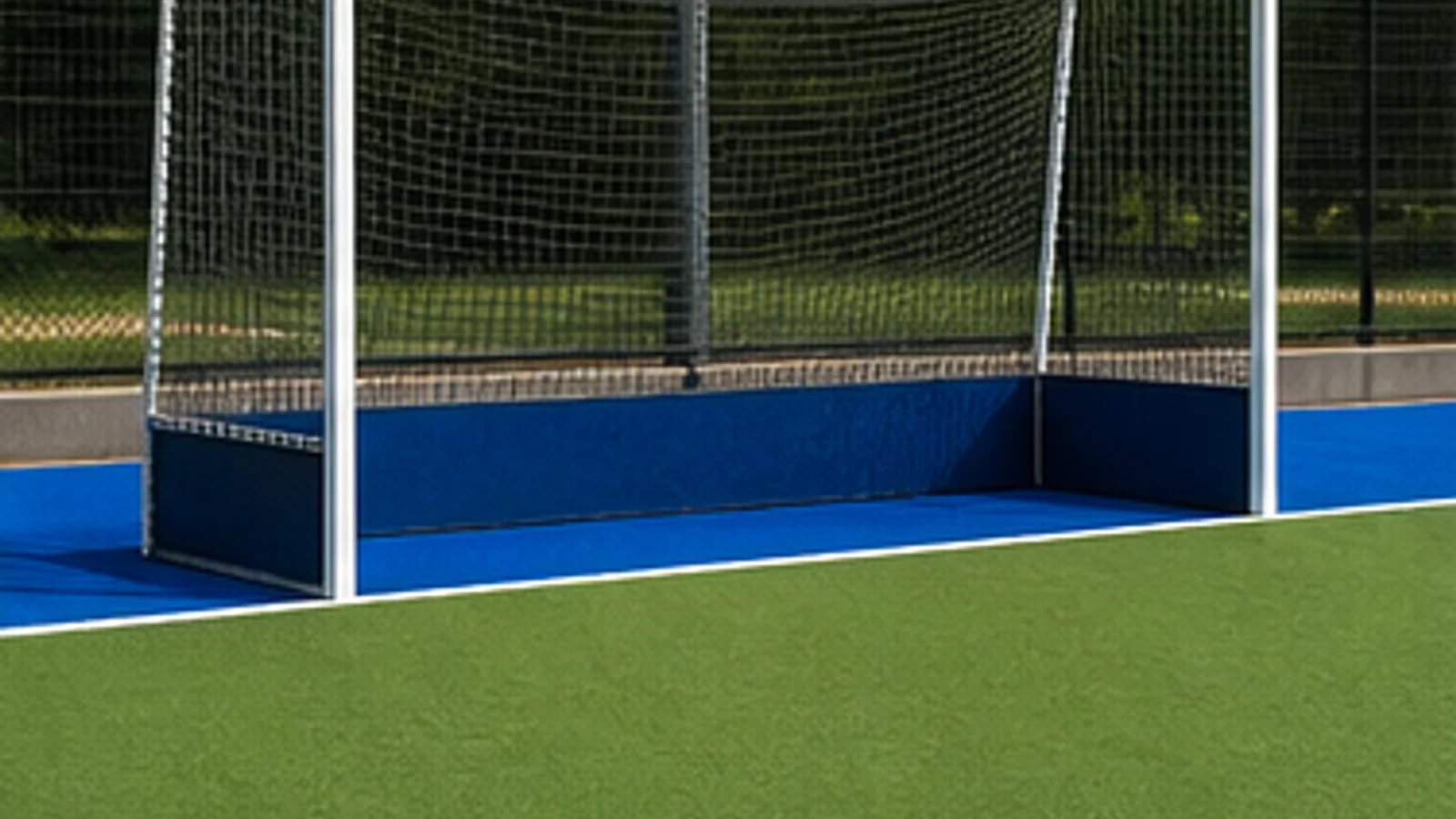
Field hockey field
Field hockey pitch planning for synthetic turf, goals, markings, runoff, drainage, and school or club facilities.
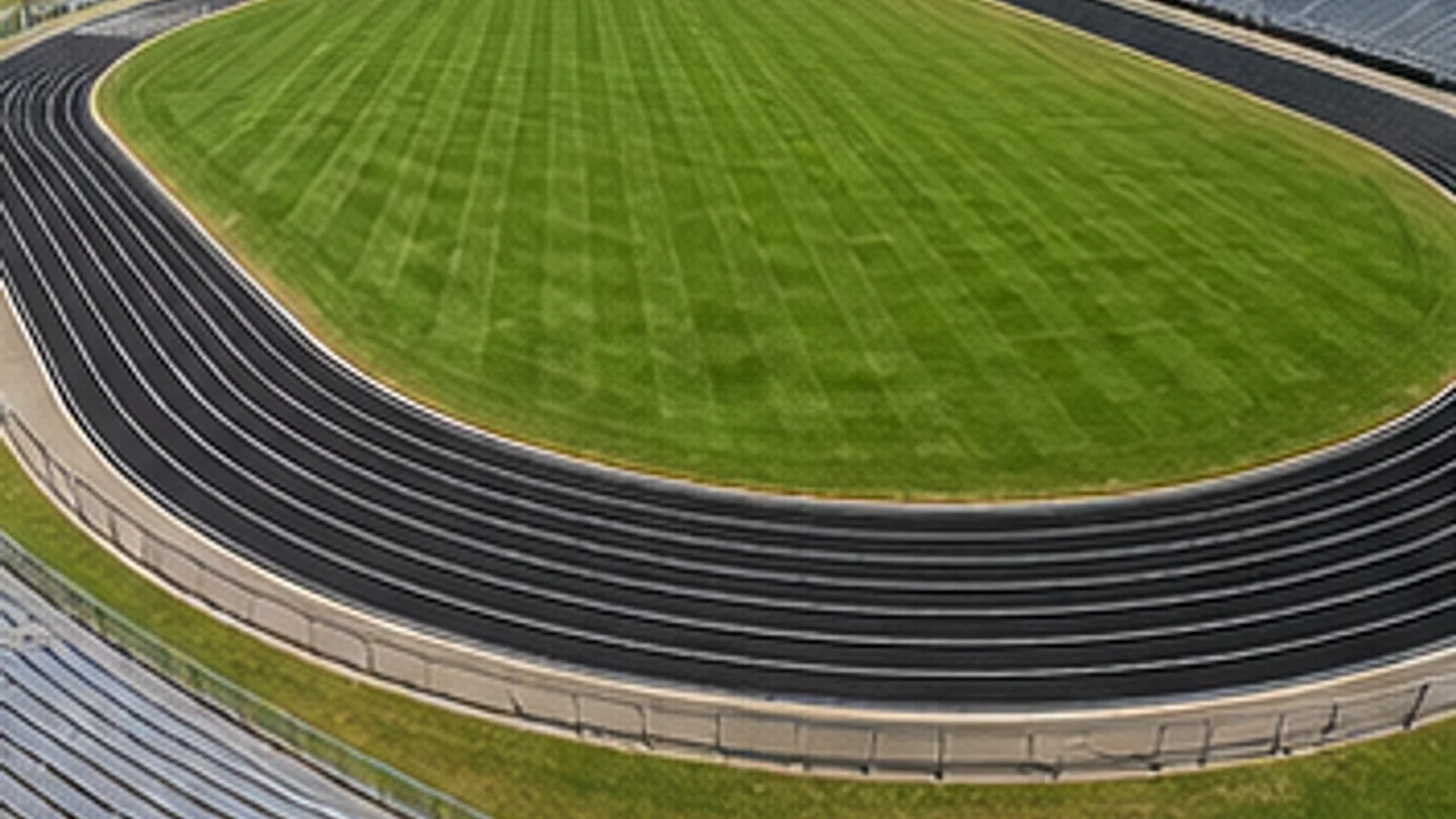
Running track
Track surface planning for 400 meter ovals, straightaways, lane counts, striping, and event areas.
How the estimator works
From local research to a clearer sport field plan
- 01
Choose the field type
Start with soccer, baseball, softball, football, lacrosse, rugby, field hockey, cricket, volleyball, or running track assumptions.
- 02
Select surface and size
Compare natural grass, synthetic turf, infield mix, or track surface options with planning footprints.
- 03
Add facility scope
Include drainage, irrigation, fencing, backstops, netting, bleachers, stands, field equipment, and track event areas.
- 04
Request quotes
Use the calculator or property map to send a clearer scope to participating sport field contractors.
Local cost and contractor-market context
These signals help explain why planning prices can differ by area, but they work best after the estimator has the exact property layout and selected sport field options.
Planning note: Labor and contractor-market signals help explain local price pressure around Batavia, Montana; exact scope still depends on the property layout and selected sport field options.
Related project labor
Montana shows Operating Engineers and Other Construction Equipment Operators wage context for a related part of this project near $30 per hour.
Broader contractor-market proxy
MT has 7,656 Construction establishments and 36,860 average employment. This is broader market context, not a count of sport field contractors. Average weekly pay is near $1,461.
Regional cost level
Regional price parity context is loaded for United States with an index factor near 100%.
Construction activity
Permit activity shows 5,156 recent permits and a demand factor near 99%.
Sport Field details that change the estimate
The local data helps explain cost pressure, but the price still depends on the exact project design. For sport field work, the highest-impact inputs usually include:
- field type
- field size
- surface system
- track scope
- drainage
- irrigation
- fencing or netting
- seating and equipment
- Primary measurement
- field footprint, priced per square foot
- Relevant material signals
- natural or synthetic turf, aggregate and drainage base, track surfacing, fencing and netting, field lighting
- Permit topics to verify
- Field and site-plan review, Grading and drainage review, Lighting and seating structures
Weather, soil, and risk notes
Site conditions can affect prep, excavation, drainage, schedule, and review needs. Use these notes as reminders, then draw the property-specific scope so contractors can evaluate the real project.
Planning note: Soil context can point to excavation, footing, drainage, base-prep, or review questions.
Weather and climate
Available normals show 20.44 inches of precipitation and 56.3 inches of snowfall.
- rain, freeze cycles, heat, and seasonal use affect surface selection and construction windows
- local weather can influence drainage, irrigation, and turf maintenance planning
Soil and base prep
USDA soil summary data has not been loaded for this area yet.
- field grading, drainage, base stability, and compaction depend heavily on site soil
- soft, expansive, rocky, or poorly drained soils can change field construction scope
Mapped hazard context
FEMA hazard context has not been loaded for this area yet.
What is intentionally not shown as local data
National material inflation is useful for admin pricing models, but it is not city-specific enough to present as a local-page signal. Broad city elevation and slope are also left out because grade can change dramatically across one parcel.
Use the estimator map for property-specific measurements, and use terrain or excavation tools inside the estimator where they apply. If you request quotes later, the mapped plan gives participating contractors more useful information to review.
Next step
Ready for a more specific sport field range?Start with the map and build the property plan so the local context and actual design can work together.