Choose the field use
Soccer, baseball, softball, football, lacrosse, rugby, field hockey, cricket, volleyball, and tracks use different footprints and add-ons.
Athletic field planning
Estimate field size, surface, track, seating, fencing, drainage, irrigation, and equipment before sending a clearer sport field quote request.
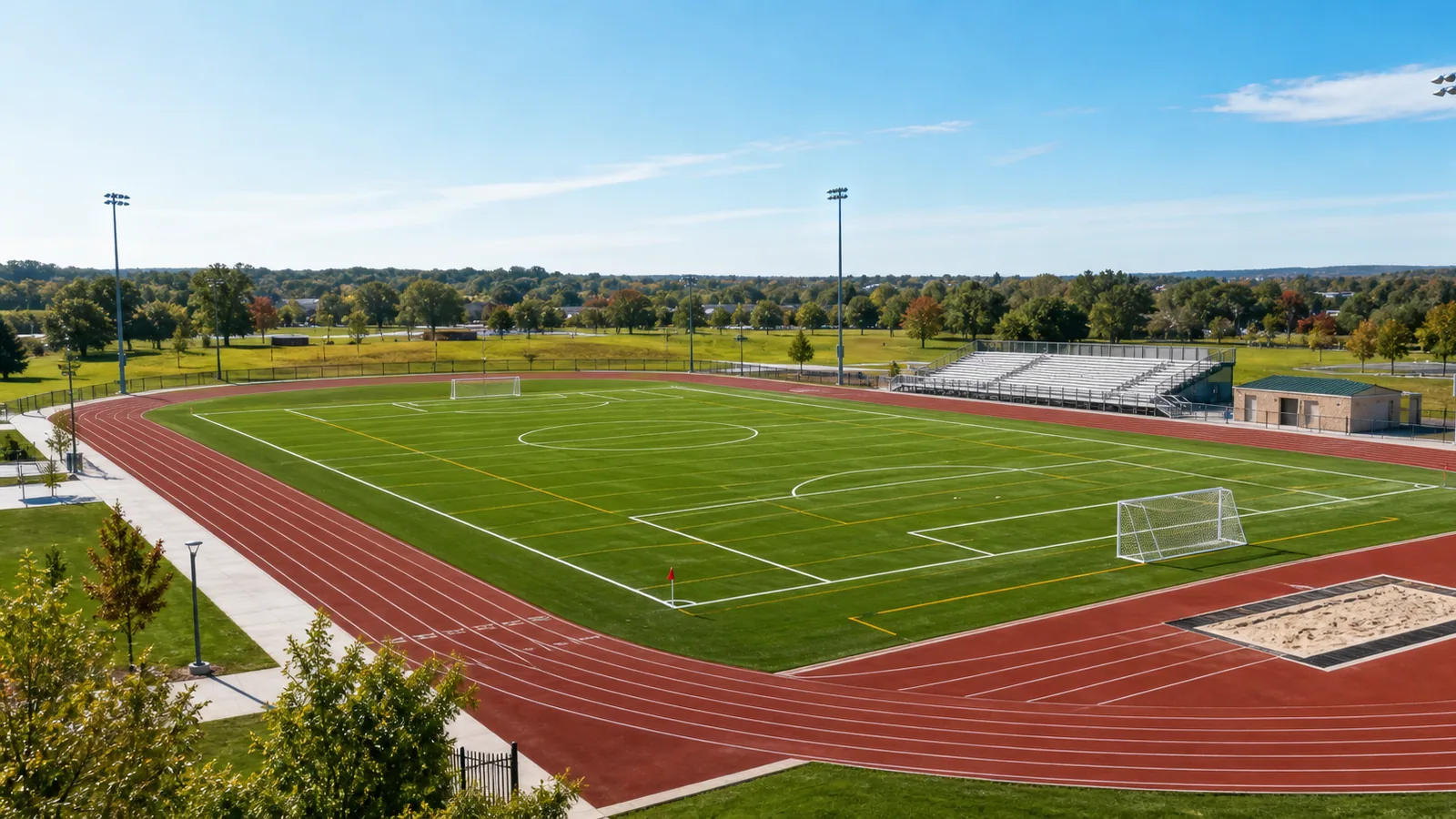
Sport field calculator
Choose the field type, surface, track, seating, fencing, drainage, irrigation, and equipment. Add a location when you want approved local factors included.
Start with the sport or field family that best matches the work.
Presets are planning sizes. The estimator map can refine the actual outline later.
Use this for running tracks, school facilities, and park loops.
Add the scope that helps contractors understand the facility, not just the turf area.
Project planning focus
Sport field projects combine site work, field surfacing, drainage, irrigation, fencing, netting, seating, equipment, markings, track work, and access. The planning page should help property owners, schools, clubs, parks, and HOAs organize those scopes before requesting quotes.
Estimate My Sport FieldSoccer, baseball, softball, football, lacrosse, rugby, field hockey, cricket, volleyball, and tracks use different footprints and add-ons.
Grass, synthetic turf, hockey turf, sand, infield mix, and track surfaces should not hide drainage, grading, base, and access needs.
Fencing, backstops, netting, seating, dugouts, goals, markings, and lighting-ready conduit can all be part of the quote.
Sport field scopes
A field estimate should separate the playing surface from drainage, equipment, spectator areas, fencing, and any track work.
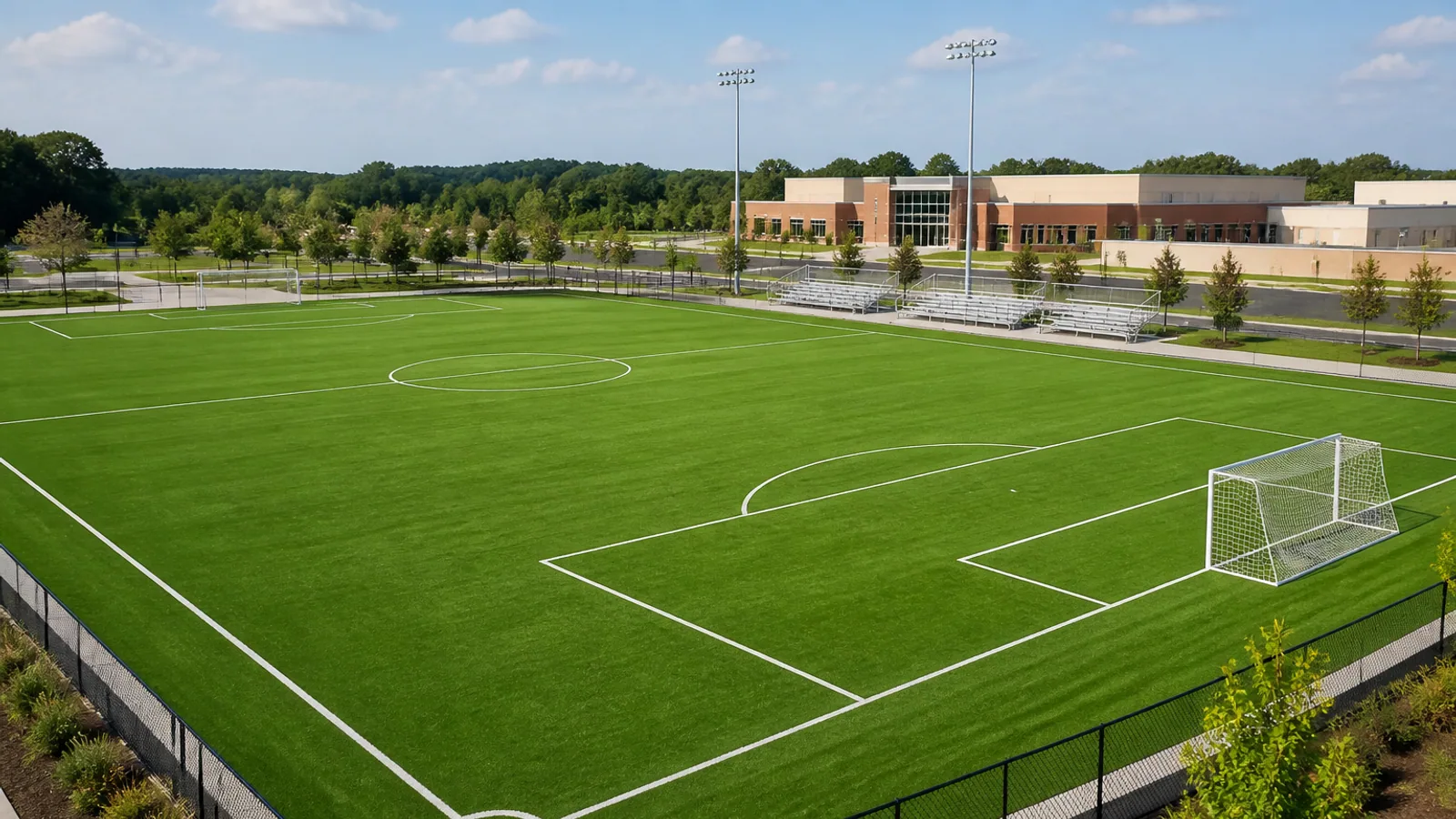
Youth, school, club, park, and larger field planning with turf, grass, drainage, irrigation, and goals.
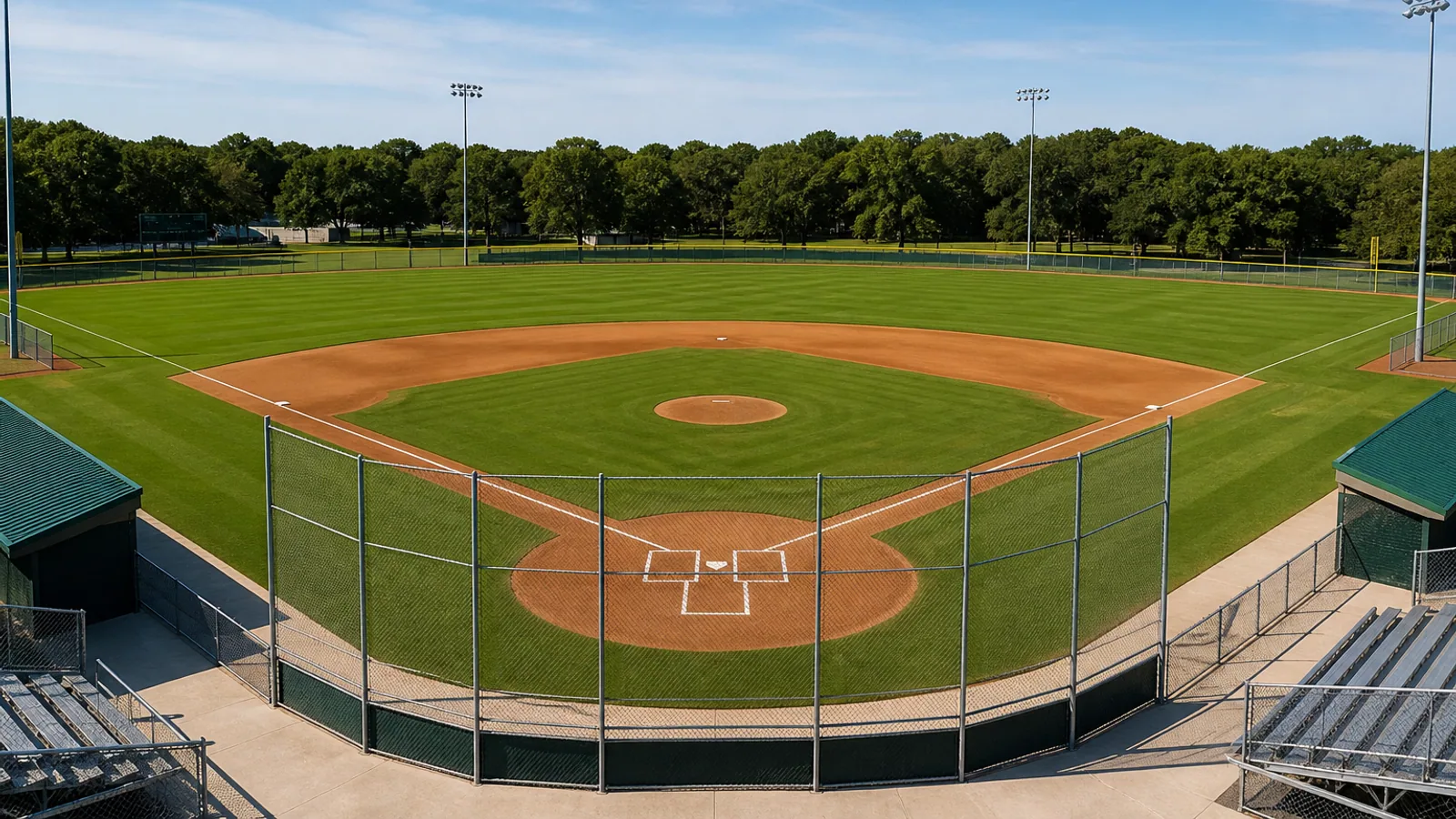
Infield mix, outfield surface, backstop, fence, dugout, seating, and perimeter loop planning.
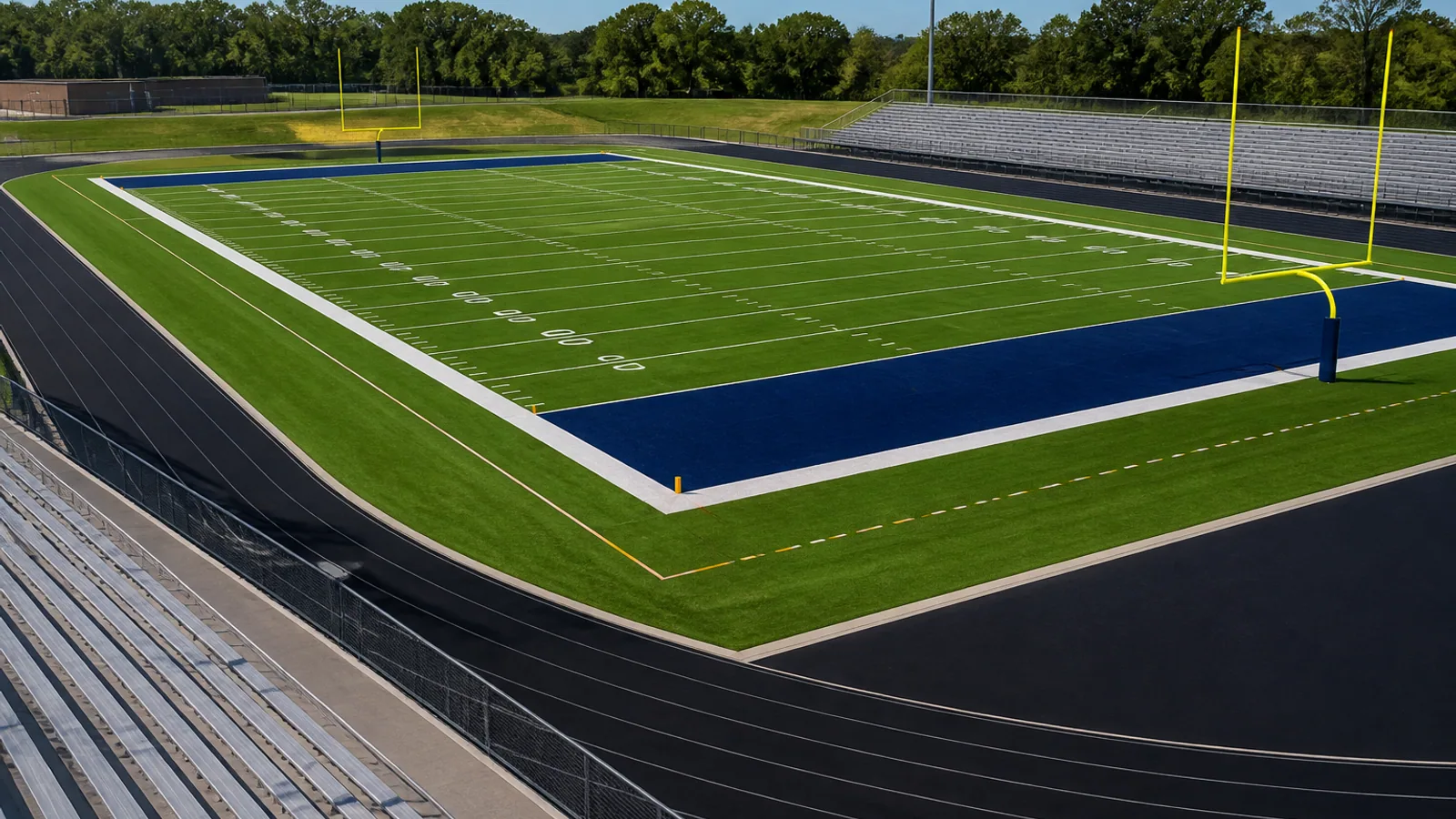
Practice, regulation, and safety-runoff field planning with turf, grass, goals, seating, and optional track.
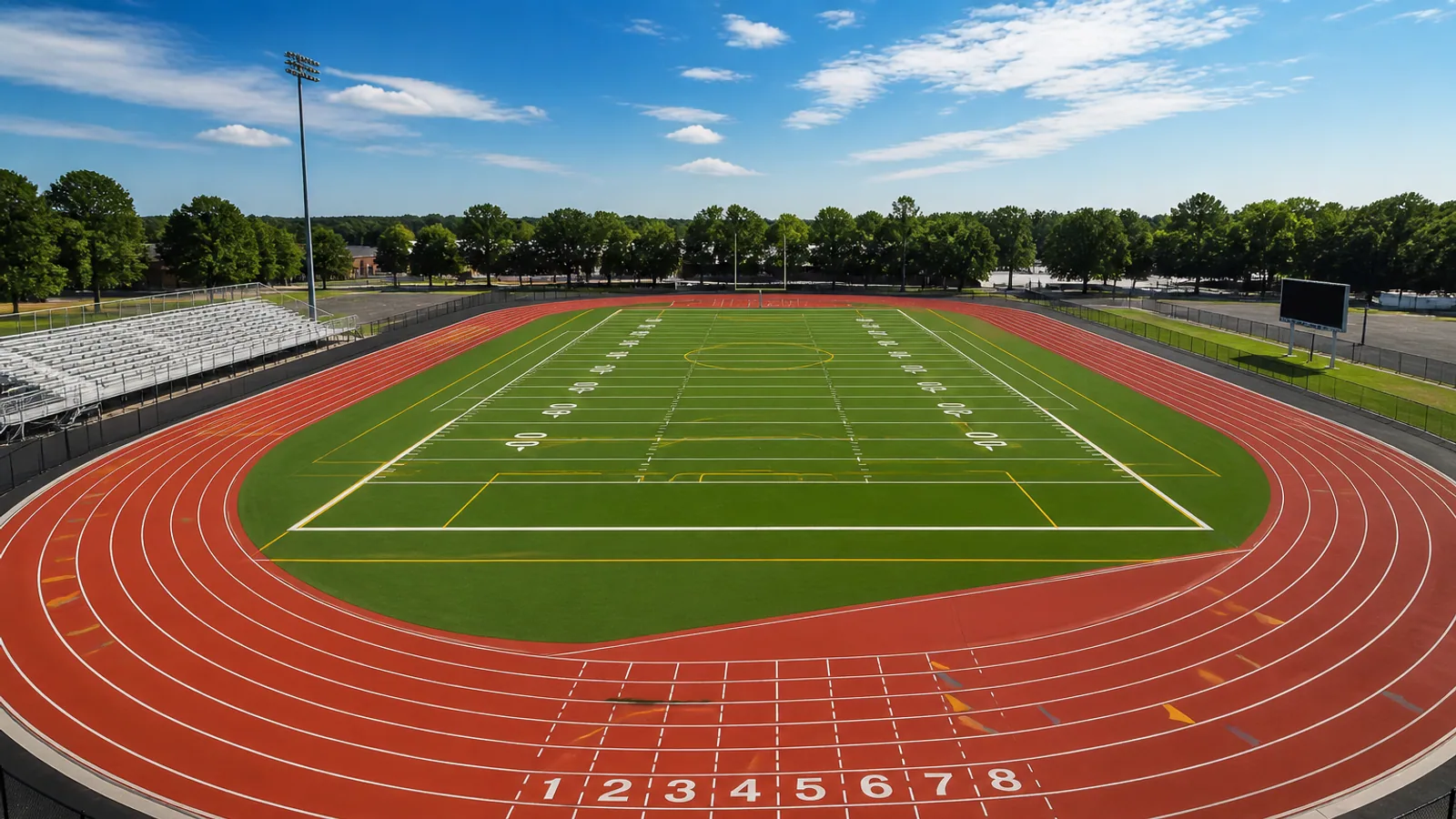
Straightaway and 400 meter track planning with lane count, surface, markings, and event-area allowances.
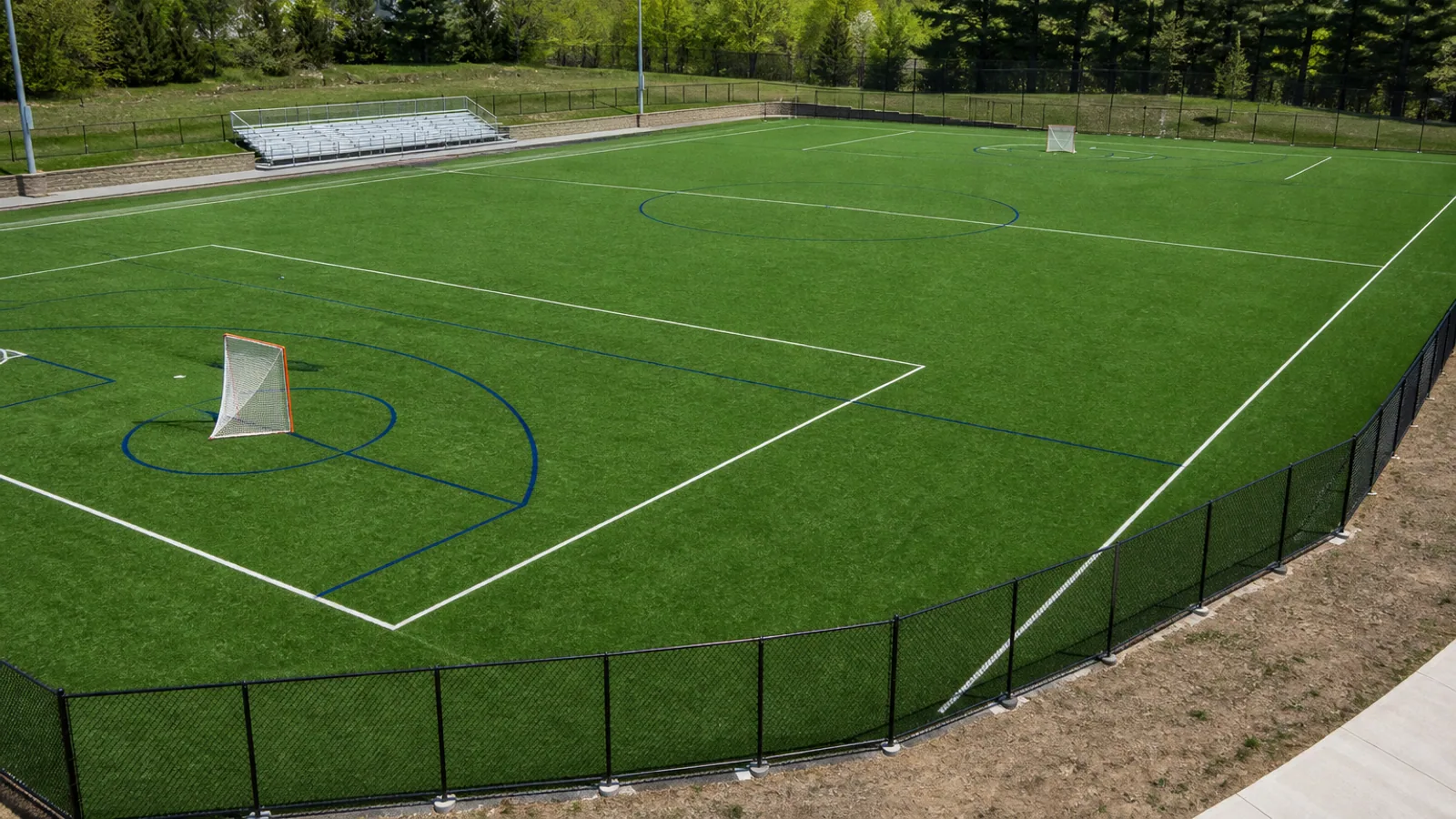
School, club, and park field planning with goals, markings, turf or grass, drainage, and optional track context.
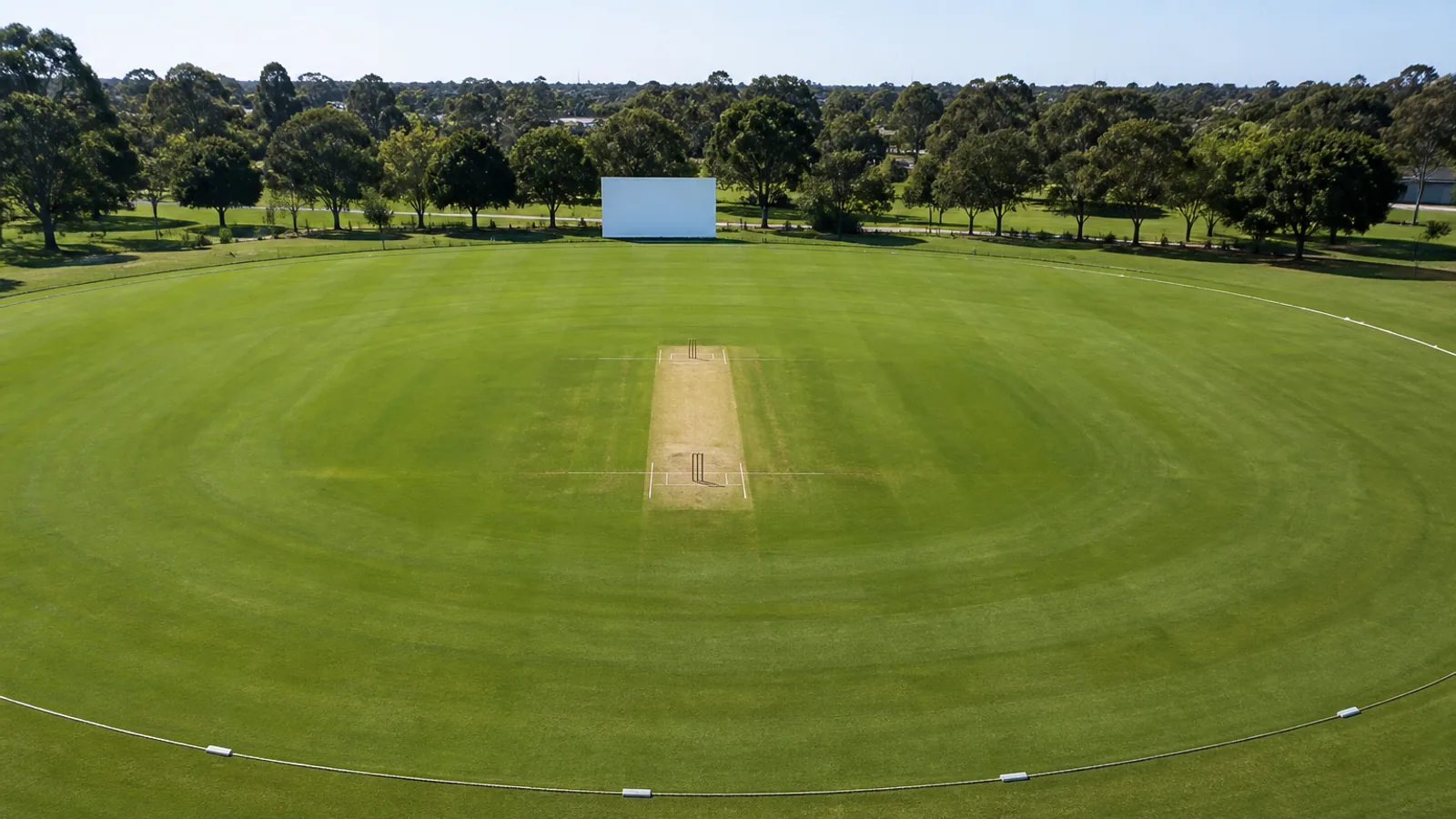
Cricket oval, pitch, boundary, and hockey synthetic-turf planning with equipment, drainage, fencing, and seating.
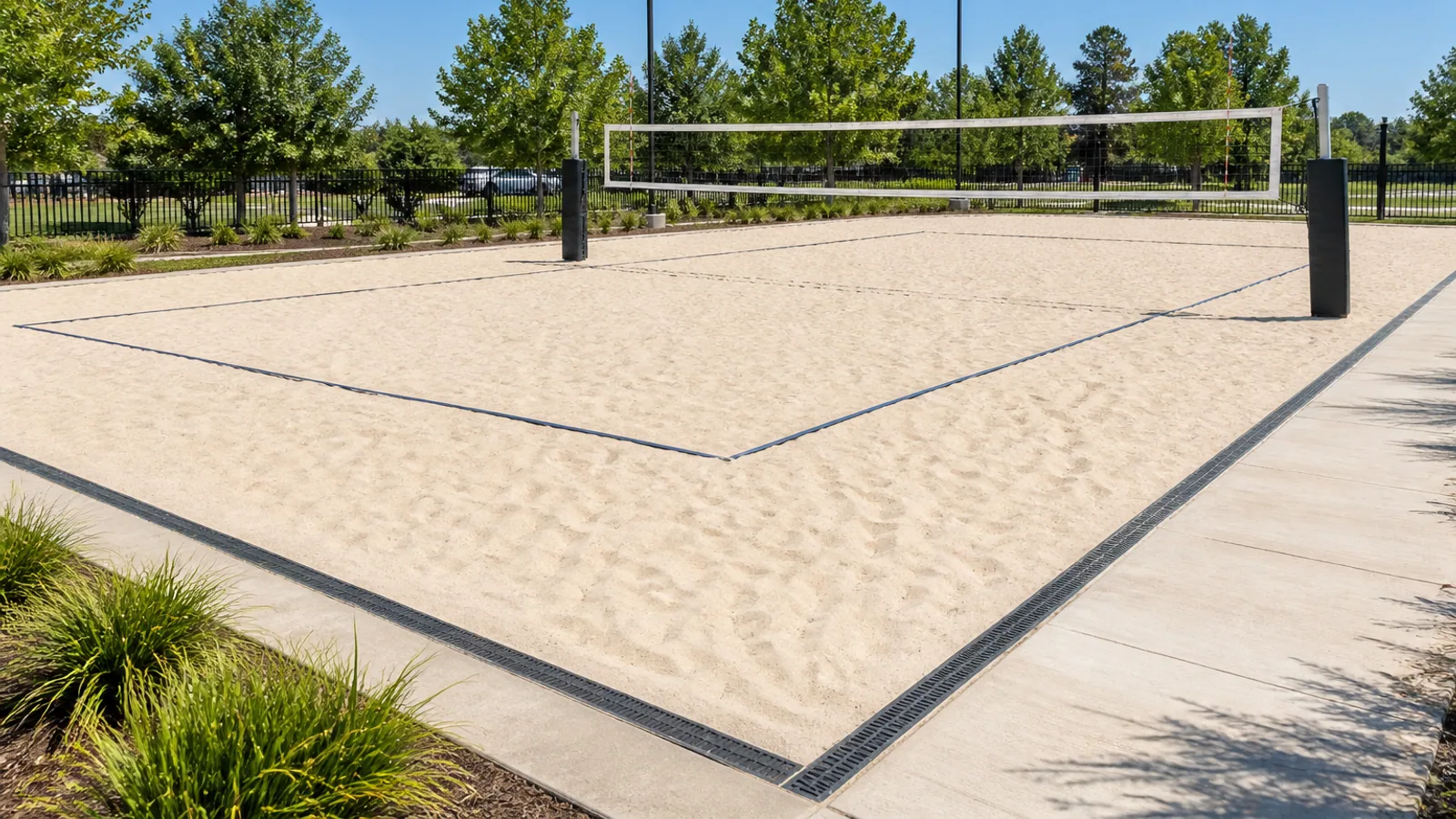
Sand court, free-zone, drainage, edging, posts, net, seating, and lighting-ready planning.
Cost drivers
Age group, sport, school use, club use, and public facility expectations change the planned footprint.
Natural grass, synthetic turf, premium turf, hockey turf, sand volleyball, infield mix, asphalt loops, and rubberized track surfaces price differently.
Playable fields need water control and flatter grades, which can become major site-work costs.
Backstops, ball-control netting, spectator barriers, perimeter fence, gates, and safety zones can change scope quickly.
Benches, bleachers, stands, ADA routes, parking connections, and staging space affect planning.
Lane count, surface type, striping, straightaways, event areas, and field conflicts need to be separated.
Sport field planning workflow
Sport field pricing depends on size, sport, surface system, grading, drainage, irrigation, fencing, netting, seating, equipment, track work, access, and public or school facility requirements.
Start with soccer, baseball, softball, football, lacrosse, rugby, field hockey, cricket, volleyball, or running track assumptions.
Compare natural grass, synthetic turf, infield mix, or track surface options with planning footprints.
Include drainage, irrigation, fencing, backstops, netting, bleachers, stands, field equipment, and track event areas.
Use the calculator or property map to send a clearer scope to participating sport field contractors.
Mistakes to avoid
Use these reminders before you request quotes, so the first contractor conversation starts with fewer unknowns.
Drainage, grading, irrigation, fencing, seating, and equipment often drive the real scope.
Rectangular fields can work with track modules; baseball, softball, cricket, and volleyball need a simpler perimeter-loop assumption unless engineered.
Schools, parks, HOAs, and public venues may need code, ADA, permit, lighting, and safety review.
Property plan
A useful field plan shows the field footprint, surface system, grade, drainage, irrigation, access, fencing, netting, seating, equipment, track areas, and whether the project is for a school, park, club, HOA, or public facility.
A stronger sport field request includes the field type, size, surface system, drainage, irrigation, grading, field equipment, fencing, netting, seating, track or event areas, access route, photos, and whether the project serves a school, club, park, HOA, or public facility.
The drawing is planning-grade. A contractor, permit office, engineer, surveyor, or utility locator may still need to verify boundaries, utilities, drainage, structural requirements, slope, soil, and field measurements.
Estimate My Sport FieldDifferent sports, age groups, field rules, and facility types use different planning footprints.
Natural grass, synthetic turf, hockey turf, sand volleyball, infield mix, and track surfaces have different base and maintenance assumptions.
Flat, playable athletic surfaces usually need more water and grade planning than ordinary landscaping.
Fencing, backstops, netting, seating, dugouts, goals, markings, lighting-ready conduit, and track events should be visible.
See the estimator in action
The walkthrough shows the satellite planning workflow. Use it as the starting point, then switch into sport field mode to draw this project on your property.
Start with the property map
Choose the sport field scope, compare surfaces and add-ons, then use the property map or quote form to prepare a clearer request.