Contractor Quote Wait Time: What's Normal and When to Worry
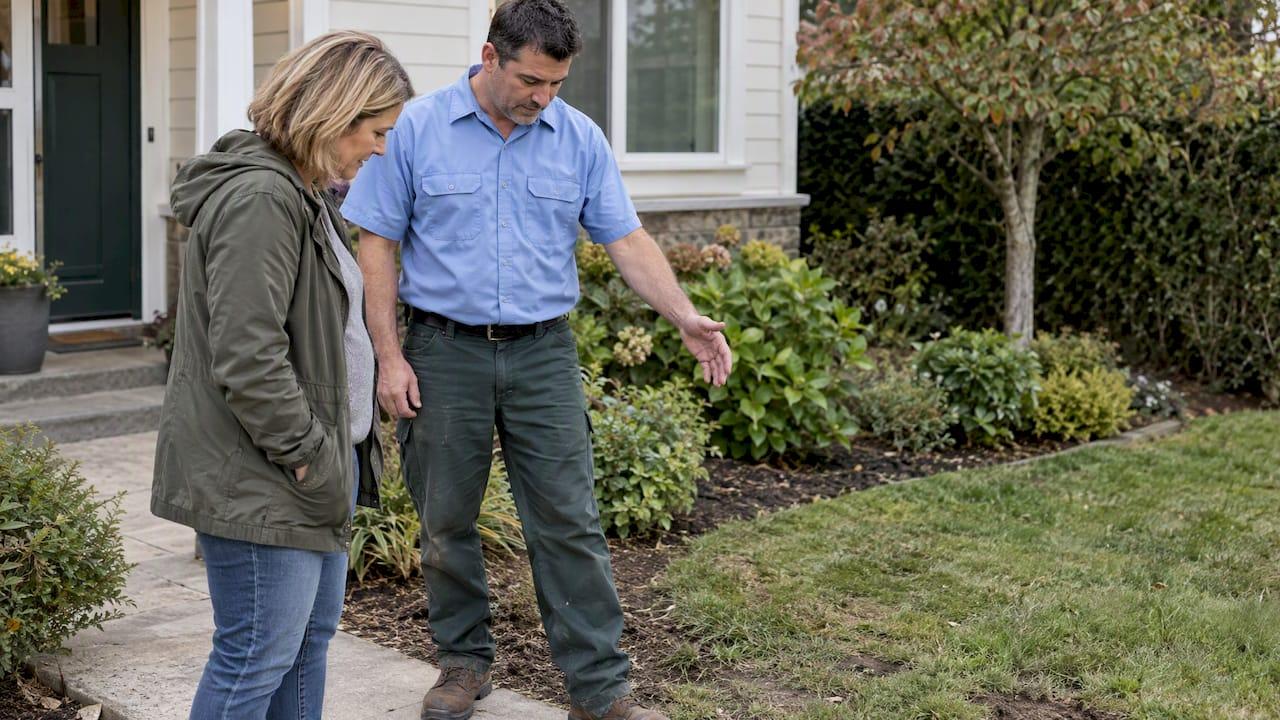
Most contractors should get you a number within a day or two for a mid-size outdoor job like a fence, and one to three weeks is realistic for a complex, multi-trade project. Past that, or after silence with no update, it’s time to follow up and line up other bids. The wait is usually decided less by the contractor’s math than by how complete your request is.
TL;DR
- Simple repairs: same day to 24 hours. Mid-size jobs such as fences: about 24 to 48 hours. Complex renovations: 1 to 3 weeks.
- A delay with a clear date is normal. Silence after you’ve asked is the warning sign.
- Follow up within 24 to 48 hours of the promised date, then move on if you hear nothing.
- Most delays come from missing information, subcontractor pricing or a busy season, so a measured, drawn scope speeds things up.
- Get two to three written quotes and compare scope, not just price.
Table of Contents
- How long a contractor quote should take
- Why quotes take longer than they should
- A slow quote isn’t always a bad sign
- When to follow up, and what to say
- How to get quotes back faster
- Technology has shortened some waits, not all
- Our view: the wait is a scope problem
- Red flags that matter more than the wait
- Compare quotes on scope, not just speed
- Start with a scope a contractor can price
- FAQ
- Sources
How long a contractor quote should take
There is no legal clock on a quote. What exists is industry practice, and it scales with the size of the job. According to Trusso’s 2026 timing guide, simple repairs are typically quoted same day or within 24 hours, mid-size projects like fence installations usually take 24 to 48 hours, and complex multi-trade renovations take one to three weeks for a proposal that holds up.
| Job type | Typical wait for a quote | Why |
|---|---|---|
| Small repair (gate latch, a few deck boards) | Same day to 24 hours | Little to measure, little to price |
| Mid-size outdoor job (fence, small deck, concrete pad) | 24 to 48 hours after the site visit or full details | Needs measurements, material choice, access check |
| Large or multi-trade (pool, deck plus lighting plus retaining wall) | 1 to 3 weeks | Subcontractor pricing, permits, site conditions |
The clock matters from the right starting point. For most jobs it starts when the contractor has everything needed to price the work: the dimensions, materials, access and photos. It does not start when you first send a vague message. A site visit often comes first, and the number follows it. Trusso’s guide says a mid-size job such as a fence should get a number within 24 hours of the site visit.
Expect to wait for the visit itself too. Booking an on-site look can add days or weeks before the quote clock even begins, especially when local crews are busy.
Why quotes take longer than they should
The arithmetic of a quote is rarely the slow part. One quote turnaround analysis points to the waiting around it: waiting for the property owner to supply missing information, waiting for subcontractors to respond, or waiting for an owner-level sign-off. Here are the usual causes, from the contractor’s side.
- Missing details. “A fence in my backyard” can’t be priced. Length, height, gate count, slope and material can.
- Your place in line. Diamond Certified’s guide to late bids notes that a delay is often simply your position in the queue rather than anything about your job.
- Subcontractor pricing. If your project mixes masonry, decking, lighting and planting, the general contractor may need a specialist’s number before sending a complete bid.
- Spam folders. Quotes do get filtered. Check before you assume you’ve been ghosted.
- Seasonality. In Idaho and Utah, outdoor work bunches up once the ground thaws and again before winter. A contractor who is booked out can still be a good contractor, and their quote may come slower.
A slow quote isn’t always a bad sign
How the contractor handles the delay tells you more than the delay. Rio Contracting’s guidance on quote timelines says that clear communication about workload and a realistic delivery date often marks an organized business, while extended silence after a request signals disorganization or reliability problems.
There is also a case for patience on accuracy. Contractors often say a rush-quoted number misses site-specific conditions, which is how surprise change orders happen. Happy Roofing’s discussion of quote timing makes the same point: pressuring for the fastest turnaround is a common homeowner pitfall. A contractor who says “I’ll have it to you Thursday” and delivers on Thursday is giving you more than one who texts a figure in ten minutes.
When a contractor’s timeline depends on permits and scheduling, the wait can be longer still. This Tampa roof replacement timeline shows how permits and crew scheduling stretch even a one-to-three-day job into weeks. It’s a Florida roofing example, but the lesson carries over: ask what the contractor is waiting on, and a good one will tell you.

When to follow up, and what to say
A workable rule for follow-up is to contact the contractor within 24 to 48 hours of the date they promised, not of your first message. If they gave no date, ask for one.
Keep the message short and specific:
- Reference the project in one line (“the 180-foot cedar fence on the Eagle property”).
- Ask for a delivery date for the quote, not “an update.”
- Offer anything that might be holding it up: a site-access time, more photos, a material decision.
- Say when you plan to decide, so they know the window.
If you hear nothing after a second contact, treat the silence as your answer. A contractor who is slow to respond when they want your business is unlikely to improve once you’ve signed. Don’t wait weeks on one bid while the rest of your season slips: if you can’t wait three or four weeks, start collecting bids earlier rather than later.
How to get quotes back faster
You can’t control a contractor’s schedule, but you control the quality of your request. Here is what shortens the wait.
Send measurements, not descriptions. Linear feet of fence, square footage of the deck, slab thickness, gate widths. Our walkthrough on how to get accurate project estimates covers what a contractor needs before they can price anything.
Show where it goes. A marked-up aerial view answers questions about access, slope, setbacks and obstacles that would otherwise need a site visit or three email rounds.
Attach photos. Gate locations, existing posts, the route a concrete truck would take.
Decide on materials, or give a range. “Cedar or vinyl, show me both” is fine. “Whatever’s cheapest” produces vague numbers.
Know what you’re asking for. A rough estimate and a firm quote are different things, and mixing them up causes delays and disputes. Our piece on quote vs estimate explains the difference before you sign anything.
Request several quotes at once. New York’s Department of Financial Services advises getting more than one estimate, and Alaska’s consumer protection office suggests bids from two or three contractors. Sending them all on the same day, with the same scope, keeps the comparison fair and the timeline short.

Technology has shortened some waits, not all
Contractors now have estimating apps that produce a number on-site. SimplyWise’s roundup of estimating tools says some apps can generate an estimate in about six seconds from a photo, though they work best on standard, repeatable tasks rather than complex custom builds.
That matches what you’ll see in practice. A straight fence run or a standard concrete pad can be priced quickly. A sloped lot with a retaining wall, drainage and lighting still takes a human to walk the site. Some trades also publish their own calculators, and a permanent lighting cost calculator is a good example of how a contractor can give you a ballpark before anyone visits. Treat those numbers as a starting range and ask for a written quote once the scope is fixed.
Our view: the wait is a scope problem
We built Property Improvement Estimator around a simple observation. When homeowners request quotes, contractors get a sentence or two and a street address. They have to call back, ask for dimensions, schedule a visit, and only then start pricing. Each of those steps is a place for the request to sit.
So we put the scope first. You draw the fence line, deck footprint or pool outline on an aerial map of your own property, see a locally adjusted planning range straight away, and send the contractor a packet with the drawing, the measurements, your options and photos. No account is required to start. The contractor opens one package instead of a thread of messages.
We can’t promise any contractor’s response time, and we don’t. What we can say is that a request with exact dimensions is easier to price than one without, and a contractor who can price it from the packet has fewer reasons to put it at the bottom of the pile. Our pricing methodology explains how the planning ranges are built, so you know what the number does and doesn’t mean.
One caution we repeat to every homeowner: a fast quote is only as good as the scope behind it. Read what’s included before you compare totals.
— Christian
Red flags that matter more than the wait
Slow is annoying. These are worse.
- Pressure to sign now. The New York guidance lists contractors who say repairs must happen immediately or who push you to sign a contract on the spot among its scam warning signs.
- Full payment upfront. The FTC’s home repair advice, published after flooding, treats this as a warning and points to roughly a third as a deposit, with later payments tied to completed work. Check your own state’s rules before paying anything.
- “Licensed and insured” with no proof. The phrase can mean only a business license and liability insurance. Alaska’s consumer protection office notes that a surety bond is a separate protection, a source of funds if work is abandoned or done negligently.
- A quote with no scope. A single lump sum with no materials, dimensions or exclusions can’t be compared with anything.
In Utah, contractors must be licensed through the Division of Professional Licensing, and that guide suggests checking that the license is active and covers the type of work. Do that check while you wait for the quote. It uses the time well. For Idaho, confirm the registration or license requirements for your trade and county with the state before you hire. For more on what to ask before you hire, see our list of questions to ask contractors.
Compare quotes on scope, not just speed
Once the quotes arrive, line them up. The first one in isn’t the best because it was first.
- Same scope? Same footage, height, material grade, gates, demolition and haul-away.
- What’s excluded? Permits, utility locates, grading, cleanup, and site restoration are common gaps.
- Payment schedule. Milestone-based, not time-based. Oregon’s Construction Contractors Board describes a detailed contract as protection for the homeowner too, covering scope, material brands, dates and a payment schedule tied to stages of work.
- Validity window. Many quotes are good for 14 to 30 days, and shorter when material prices move. Ask how long the number holds.
- Fixed price or hourly. Our time and materials vs fixed price guide explains how each affects your risk.
If one quote is far below the others, look for what’s missing before celebrating. For bigger yard projects with several pieces, our guide to a landscaping scope of work shows what a complete list includes.
Start with a scope a contractor can price
If you’re planning a fence, deck, pool or concrete work, you can mark the layout and see a local planning range before you contact anyone. Try the Fence Estimator, the Deck Estimator, the Pool Estimator or the Concrete Estimator. For anything else, the local project report walks you through drawing your property. Then request quotes with the drawing attached.
FAQ
What is a reasonable time to wait for a contractor’s quote?
For a mid-size outdoor job, about one to two days after the contractor has your full details or has visited the site. Complex, multi-trade projects can take one to three weeks. If no date was promised, ask for one.
How long after a site visit should I hear back?
For a fence or similar job, within about 24 to 48 hours is typical. If a week passes with no word, send a short follow-up asking for a delivery date. After a second unanswered message, move on to other bids.
Does a slow quote mean a bad contractor?
Not by itself. A contractor who explains their workload and gives a firm date is often well organized. Silence, missed dates and no updates are the real warning signs.
How long is a contractor’s quote valid?
Most quotes are good for roughly 14 to 30 days, with shorter windows when material prices or schedules are shifting. Ask for the expiry date in writing, and confirm what happens to the price if you accept after it.
Sources
- How Long Should It Take a Contractor to Send an Estimate? (Trusso)
- How Long Should a Contractor Estimate Take (Trusso)
- Quote turnaround time (GBL)
- What to Do When the Contractor’s Bid Hasn’t Arrived (Diamond Certified)
- How Long Do Contractors Take to Send a Quote? (Rio Contracting)
- How Long to Get a Roofing Quote (Happy Roofing)
- Beware of Home Repair Scams (New York DFS)
- Home Improvement consumer protection (Alaska Department of Law)
- FTC Offers Home Repair Advice to Victims of Recent Flooding
- Construction estimating apps (SimplyWise)