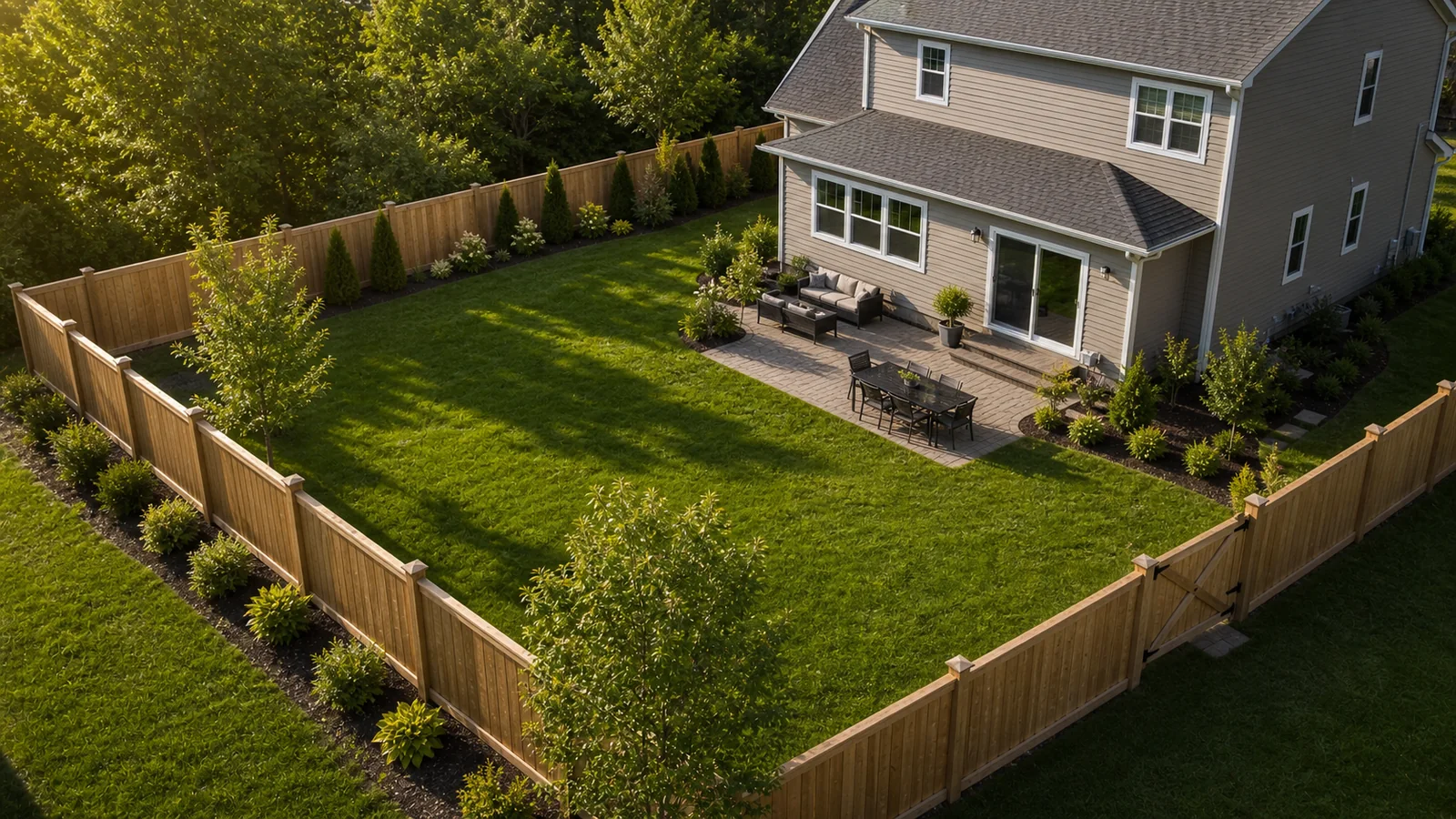
Plan a fence in Hurt, Virginia
This page is meant to get you from local planning context to a real mapped estimate. Review the data, then use the estimator to draw the actual fence and choose the options that affect the range.
Estimate fence cost in Hurt, Virginia
Use the calculator for quick numbers, then carry the details into the map estimator when you want the actual property layout, measurements, photos, and quote request packet.
This starts with Hurt, Virginia page-level context. Add an exact address or ZIP inside the calculator when you want tighter property-level location detail.
Fence options
All fence styles available for Hurt, Virginia planning
These match the style choices available in the estimator, so visitors can compare the full option set before drawing the project on the property map.
Planning note: These are the same option families available in the estimator.
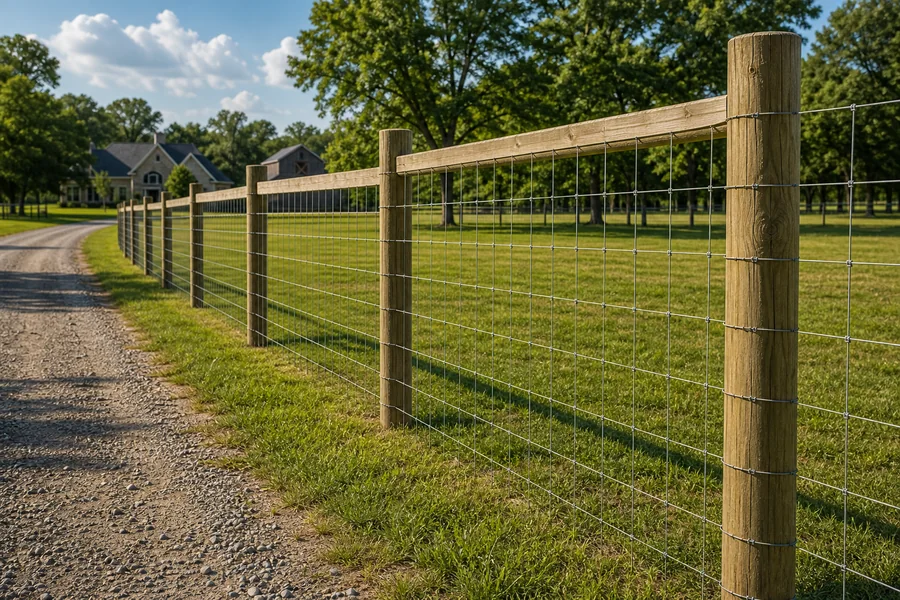
Farm/ranch wire
Wood posts with woven or welded wire define larger yards, acreage, and utility boundaries.
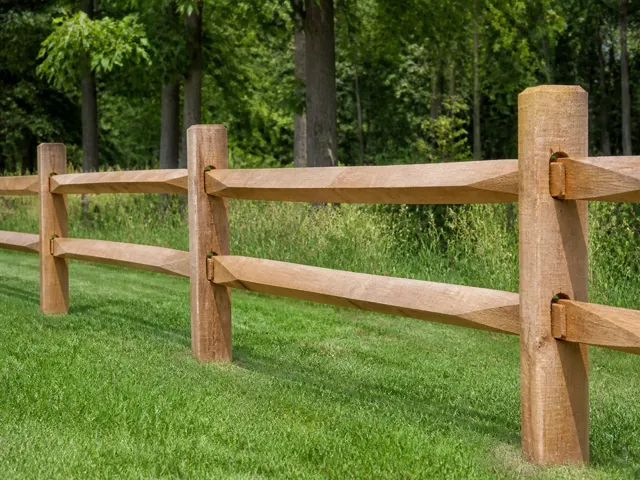
Split rail
Open wood rails define large properties with a simple rural or natural appearance.
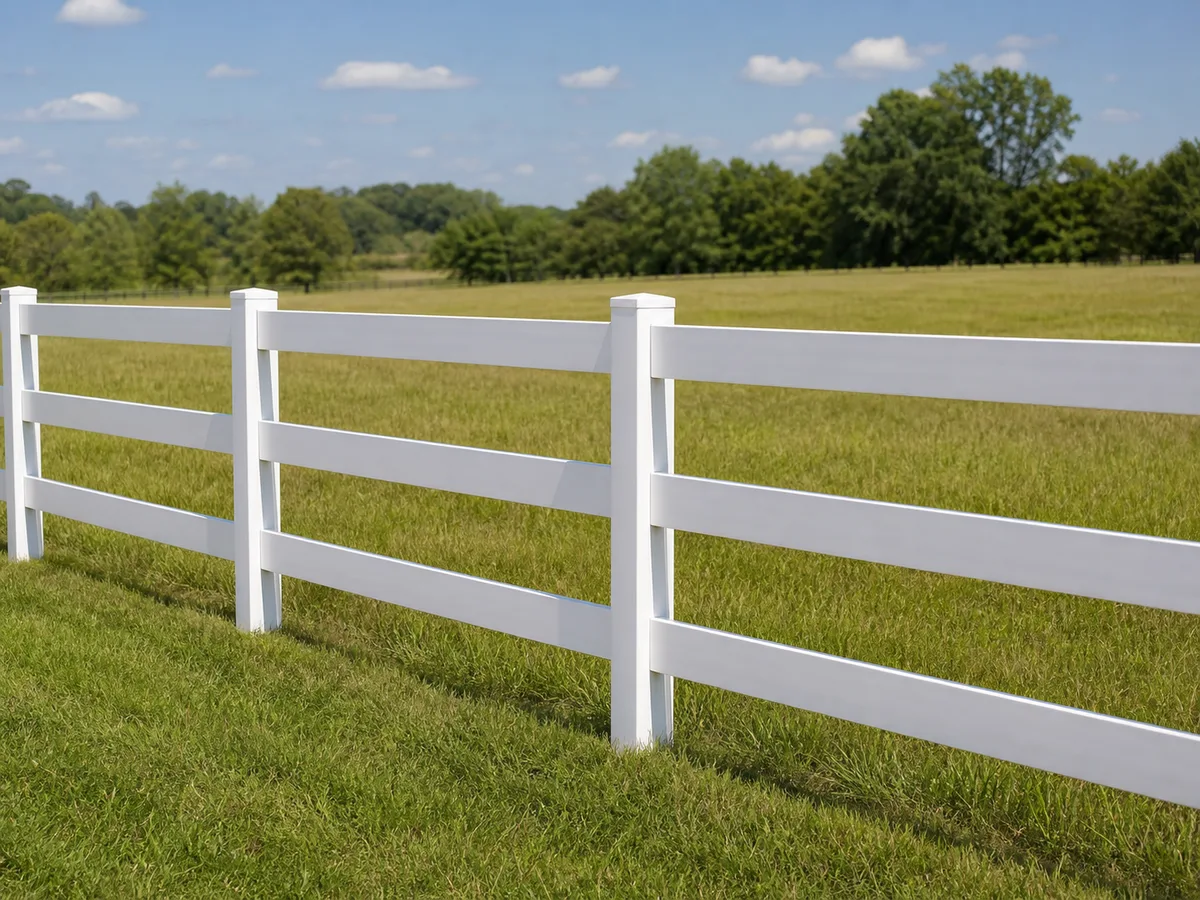
Vinyl farm rail
White three-rail vinyl defines farms, acreage, driveways, and horse-style boundaries with low routine maintenance.
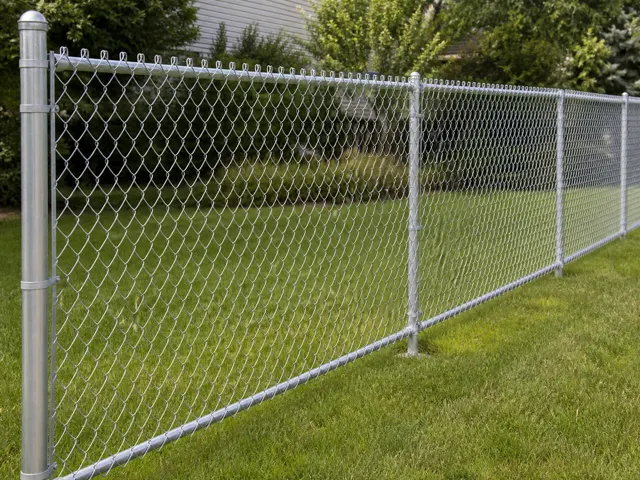
Chain link
Galvanized mesh creates a durable, economical boundary while preserving visibility.
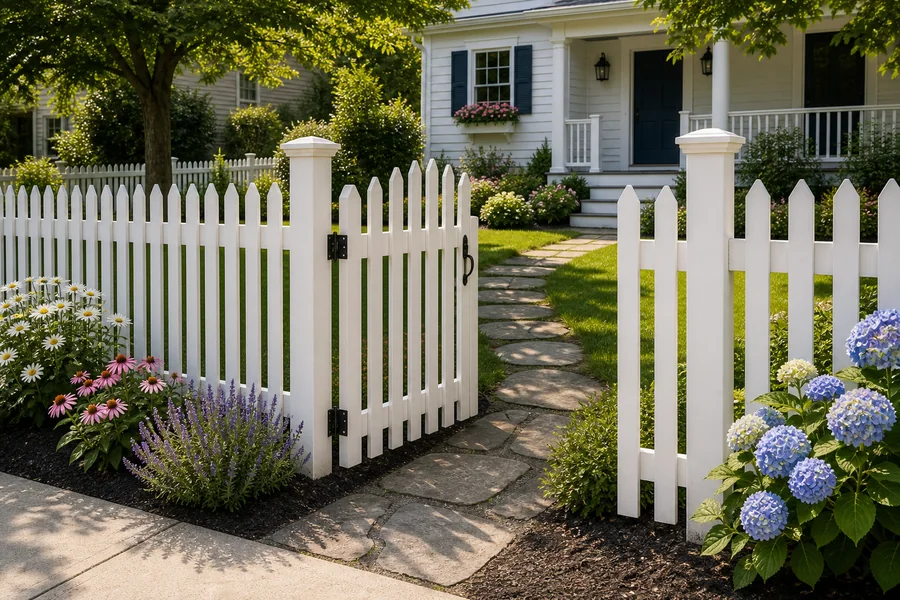
Wood picket
Traditional pickets create a friendly front-yard boundary while keeping an open feel.
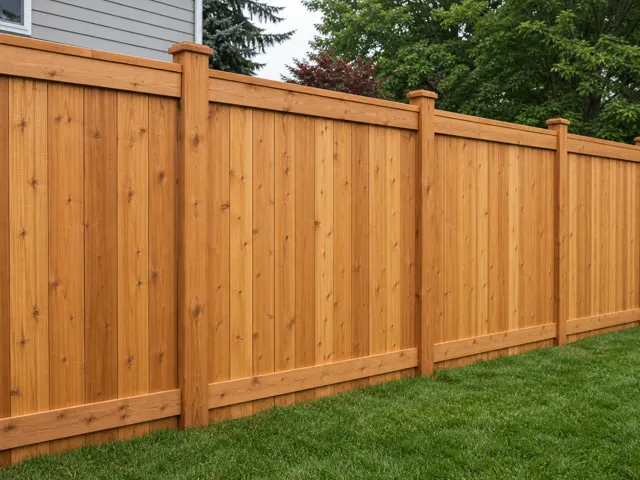
Wood privacy
Natural cedar boards provide full privacy and a warm, traditional residential look.

Aluminum
Powder-coated pickets provide an open ornamental appearance without rust-prone steel.
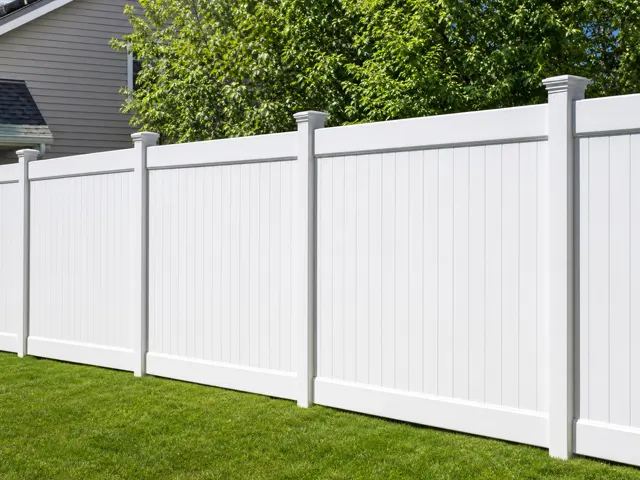
Vinyl privacy
Solid interlocking panels deliver full privacy with low routine maintenance.

Ornamental iron
Decorative iron-style pickets provide a heavier ornamental boundary with a formal appearance.
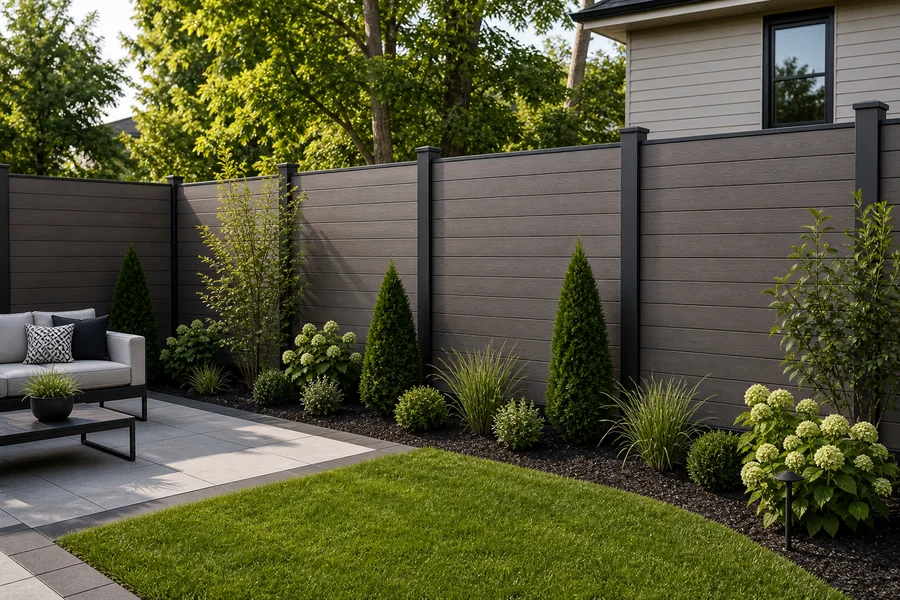
Composite
Composite boards offer a modern privacy look with higher material cost and lower upkeep.
Fence upgrades available in Hurt, Virginia planning
The fence estimator can price more than the base material. These detail photos show common upgrades like board layout, coating, rail count, privacy slats, decorative metal, and finish options.
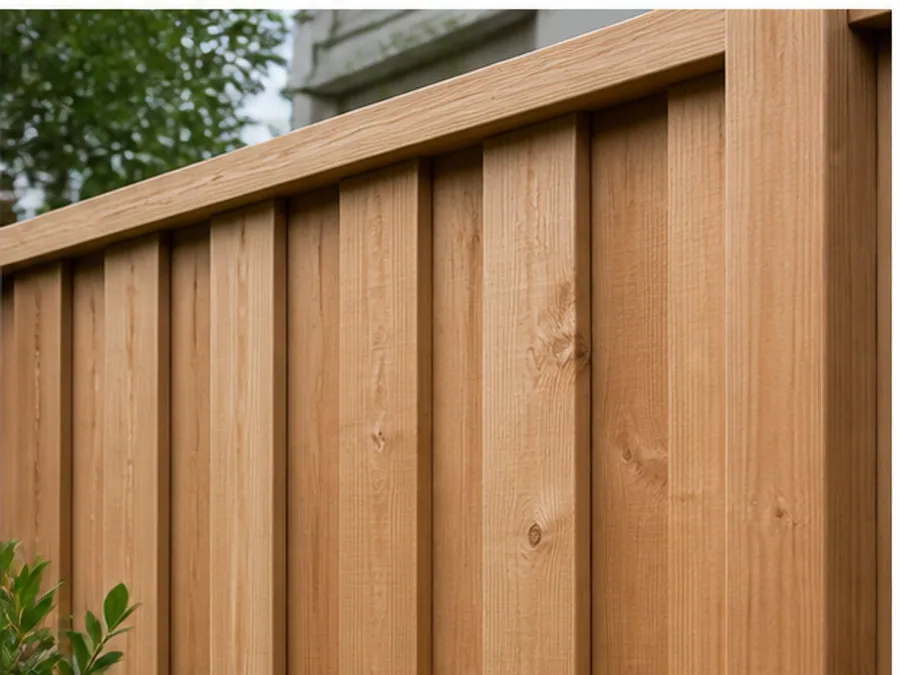
Board-on-board
Overlapping boards for a fuller privacy look.
+$9-$15 / ft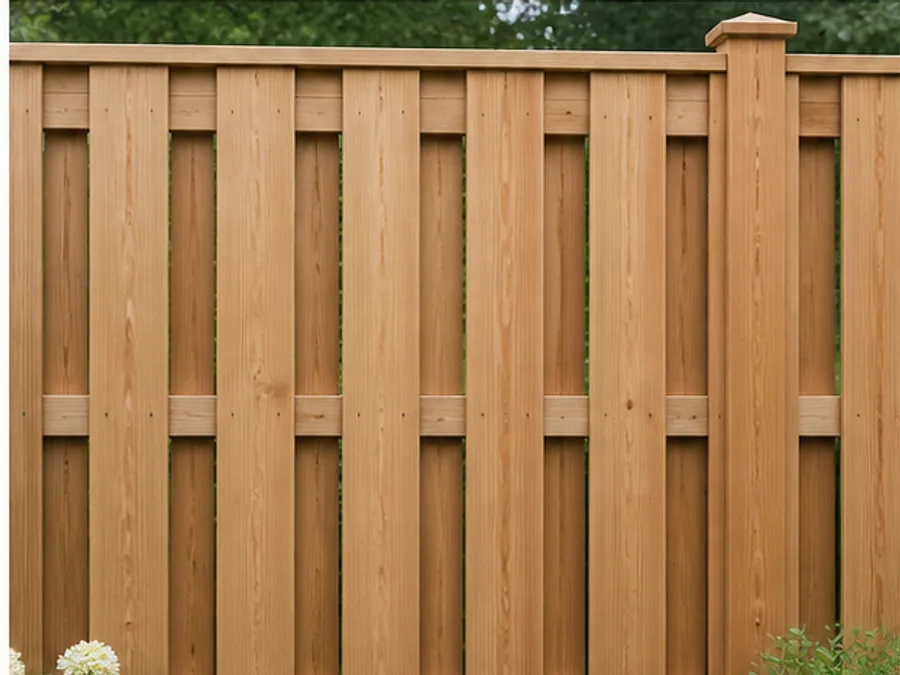
Shadowbox
Alternating boards on both sides with airflow and partial visibility.
+$5-$10 / ft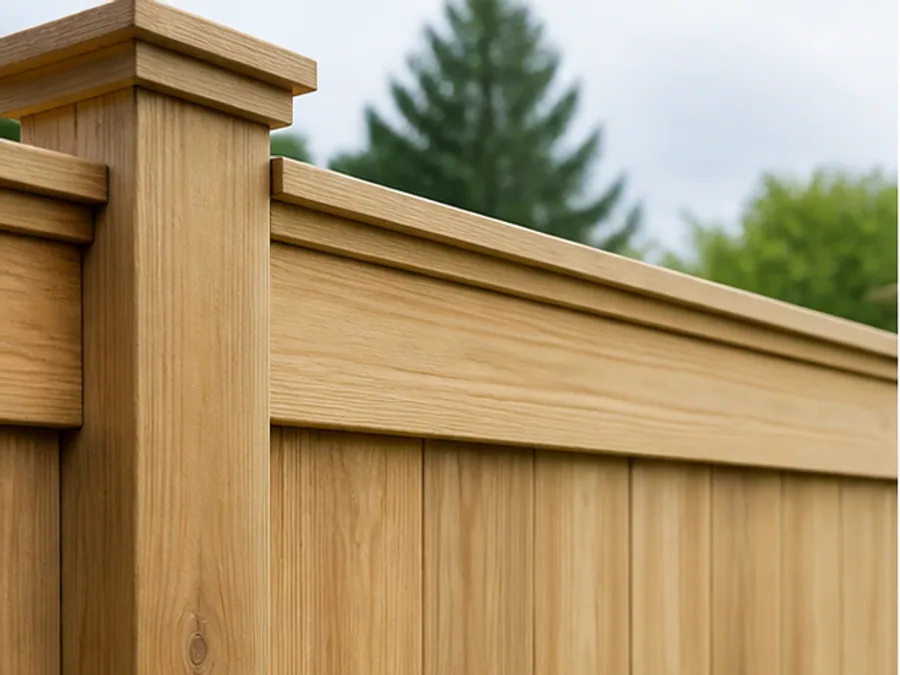
Top cap / trim
Decorative caps and lattice add material and finish labor.
+$3-$8 / ft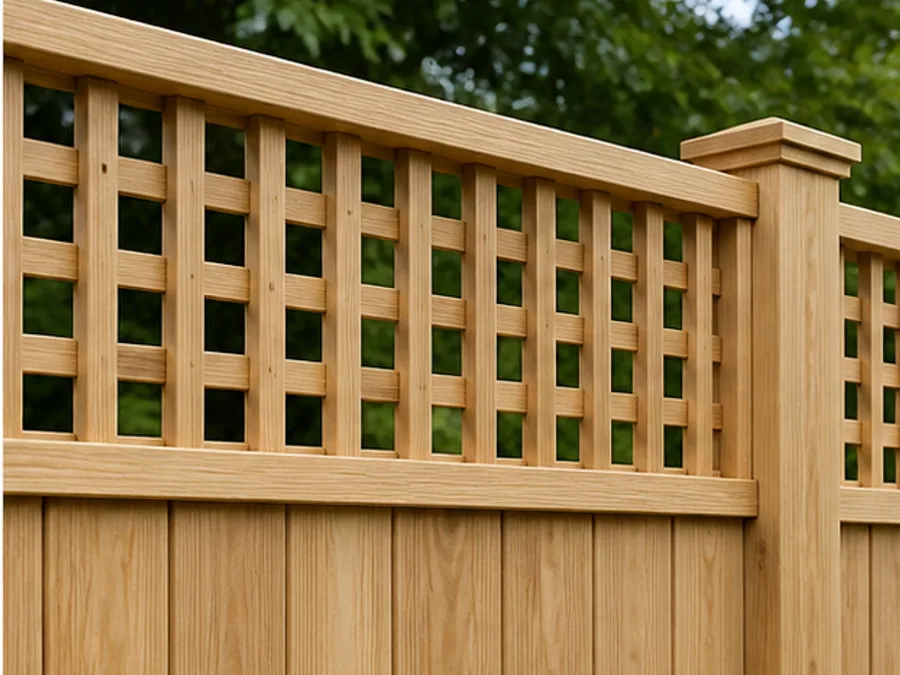
Lattice top
Decorative caps and lattice add material and finish labor.
+$5-$12 / ft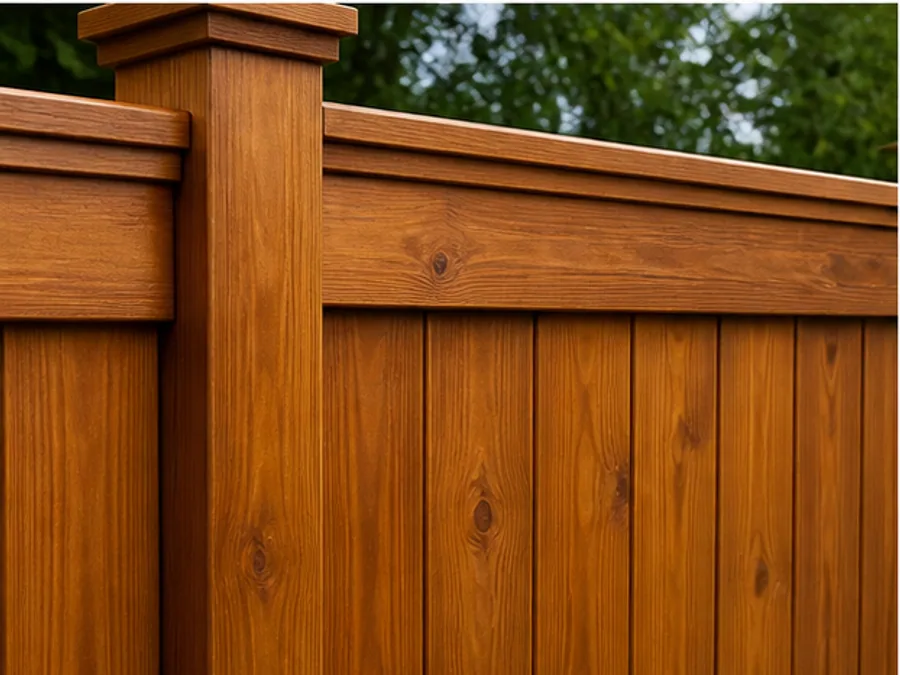
Stain / seal
Optional post-install finish work for wood fence sections.
+$3-$7 / ft
Paint
Optional post-install finish work for wood fence sections.
+$4-$8 / ft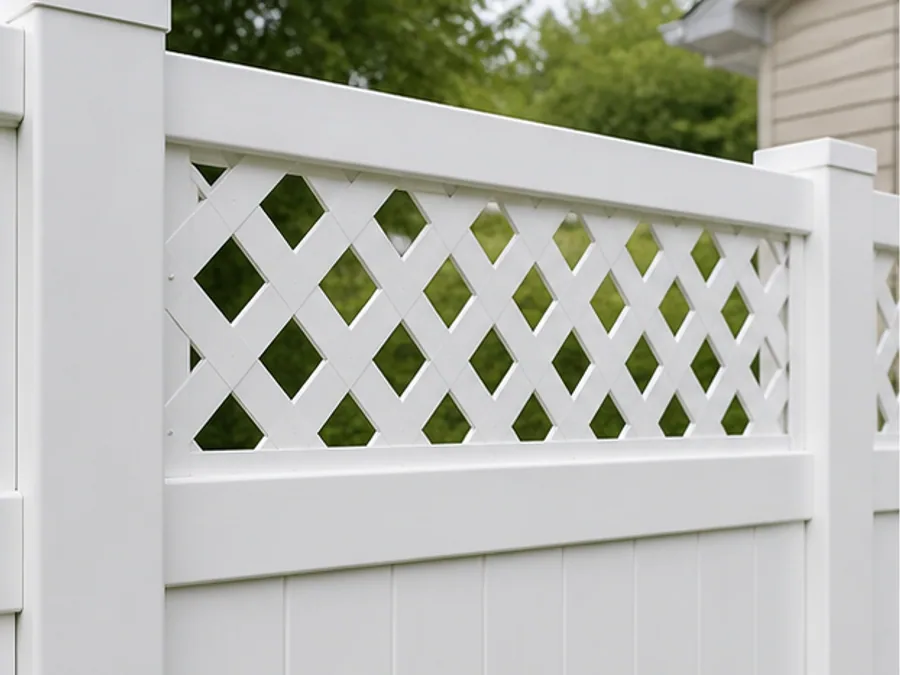
Lattice top
Panel style, reinforcement, and color upgrades are major vinyl cost drivers.
+$5-$15 / ft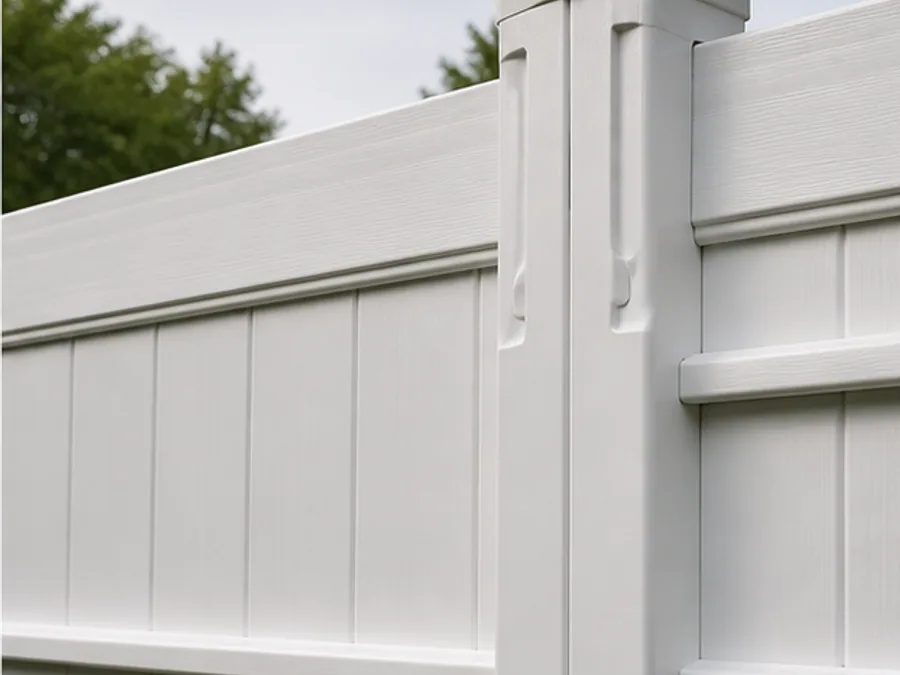
Reinforced / wind-rated
Panel style, reinforcement, and color upgrades are major vinyl cost drivers.
+$8-$18 / ft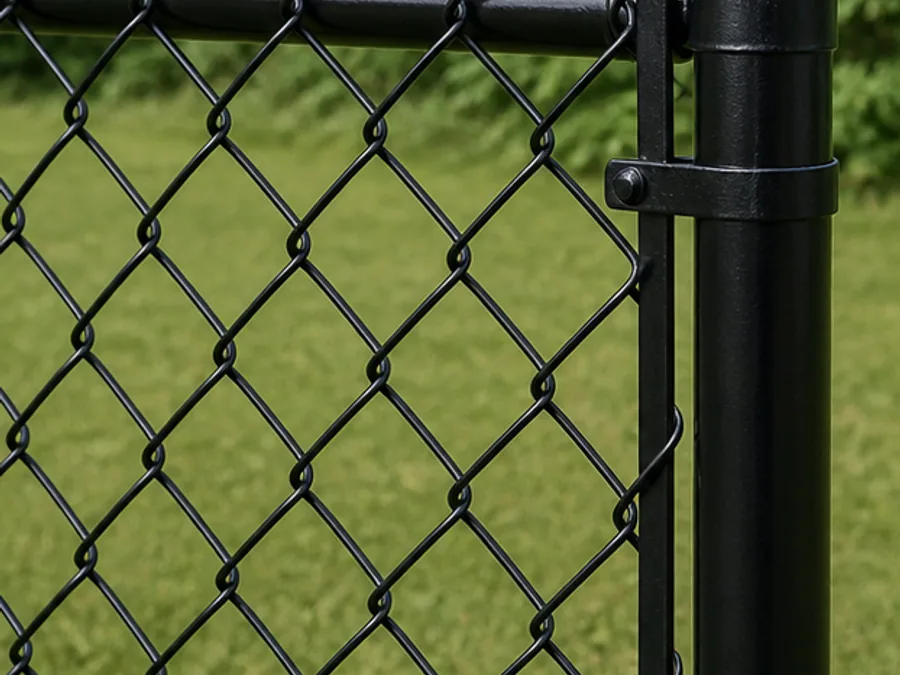
Black / green vinyl-coated
Vinyl-coated chain link costs more than standard galvanized mesh.
+$3-$8 / ft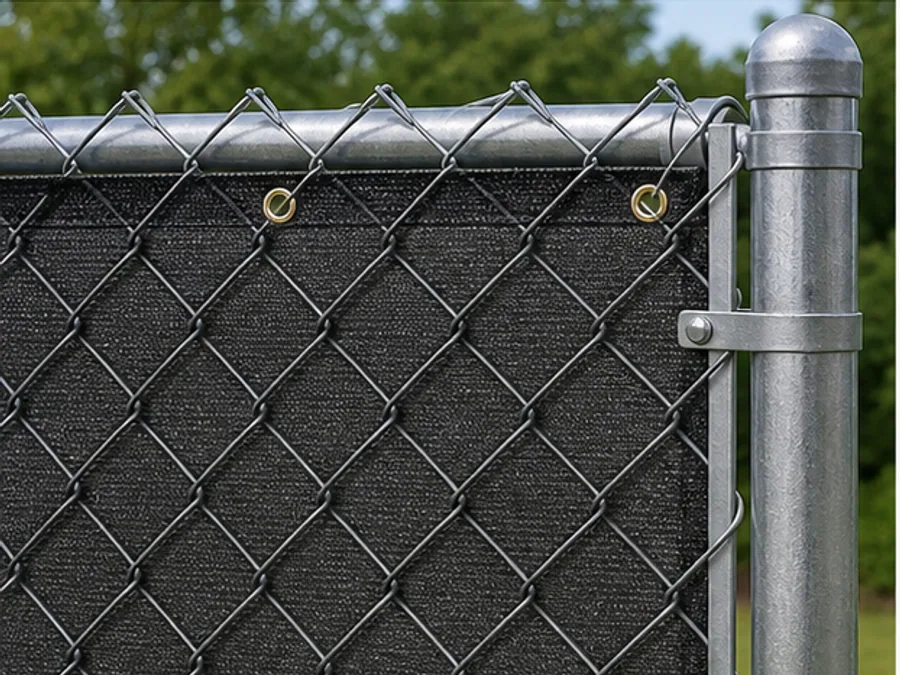
Privacy screen
Screens and slats add material and attachment labor.
+$2-$6 / ft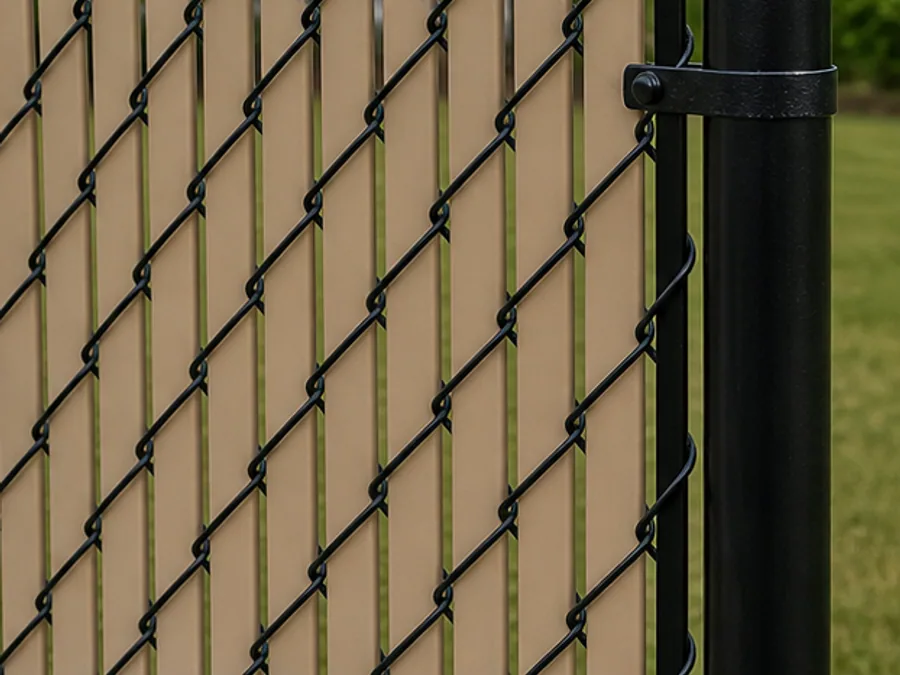
Privacy slats
Screens and slats add material and attachment labor.
+$5-$10 / ft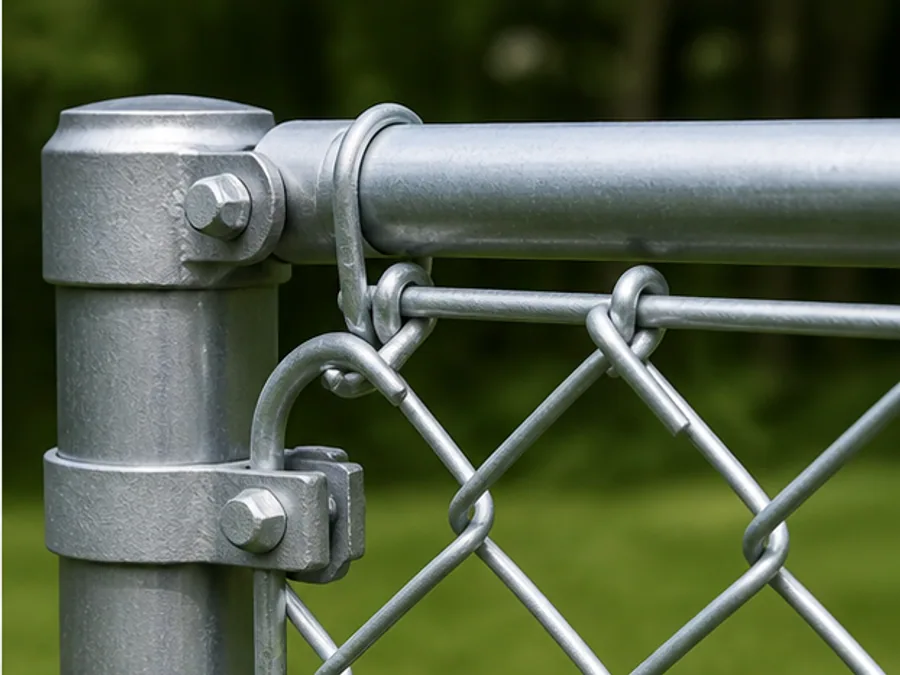
Heavy gauge / top tension
Heavier mesh and extra top tensioning increase durability for more demanding chain-link sections.
+$2-$7 / ft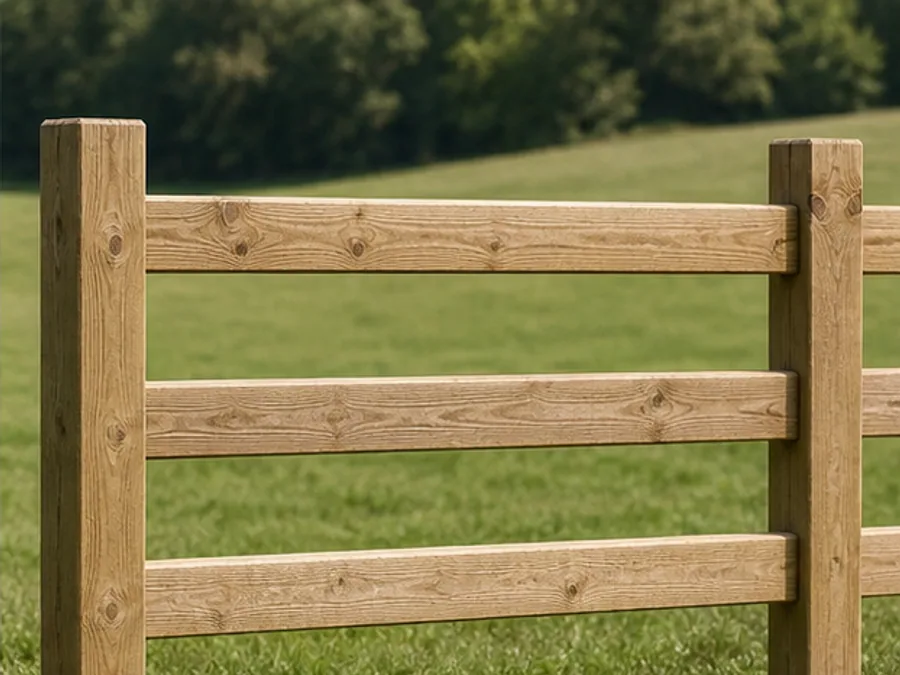
3 rail
More rails increase material and installation time.
+12%
4 rail
More rails increase material and installation time.
+24%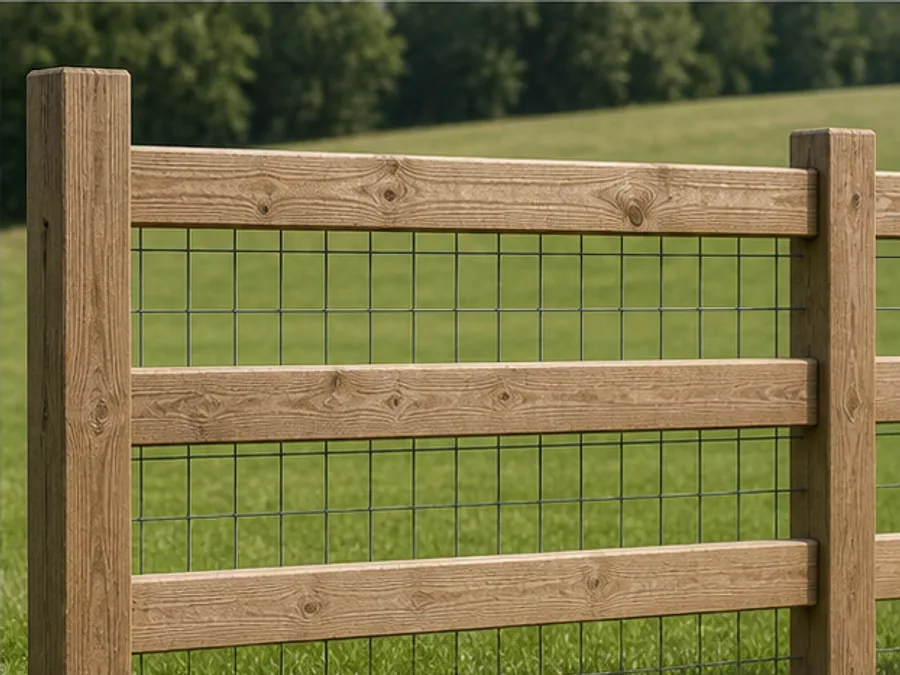
Wire mesh backing
Mesh backing and wood upgrades matter most on acreage-style rail fencing.
+$8-$15 / ft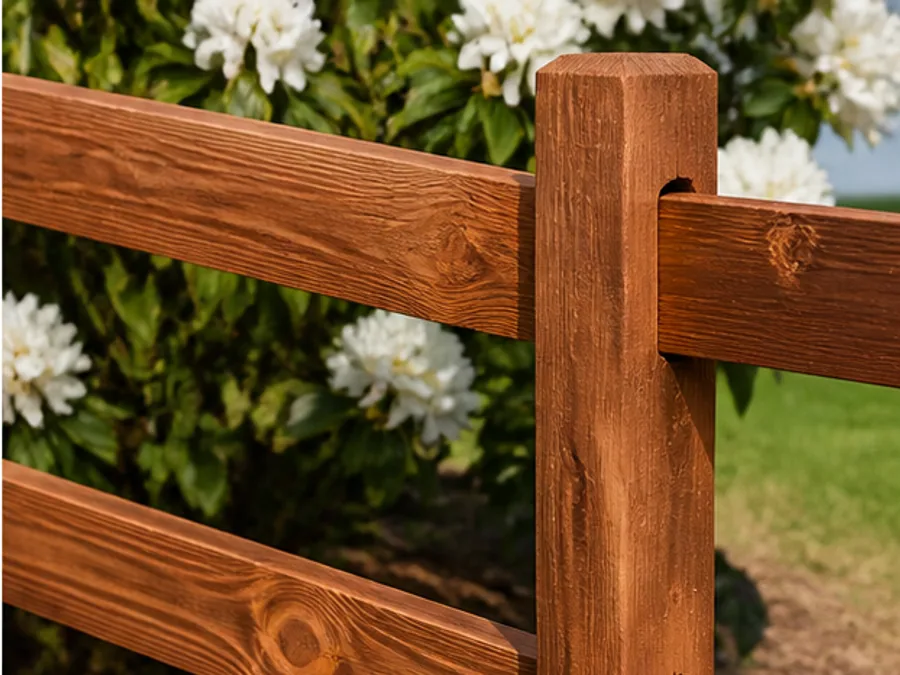
Cedar / locust upgrade
Mesh backing and wood upgrades matter most on acreage-style rail fencing.
+$4-$9 / ft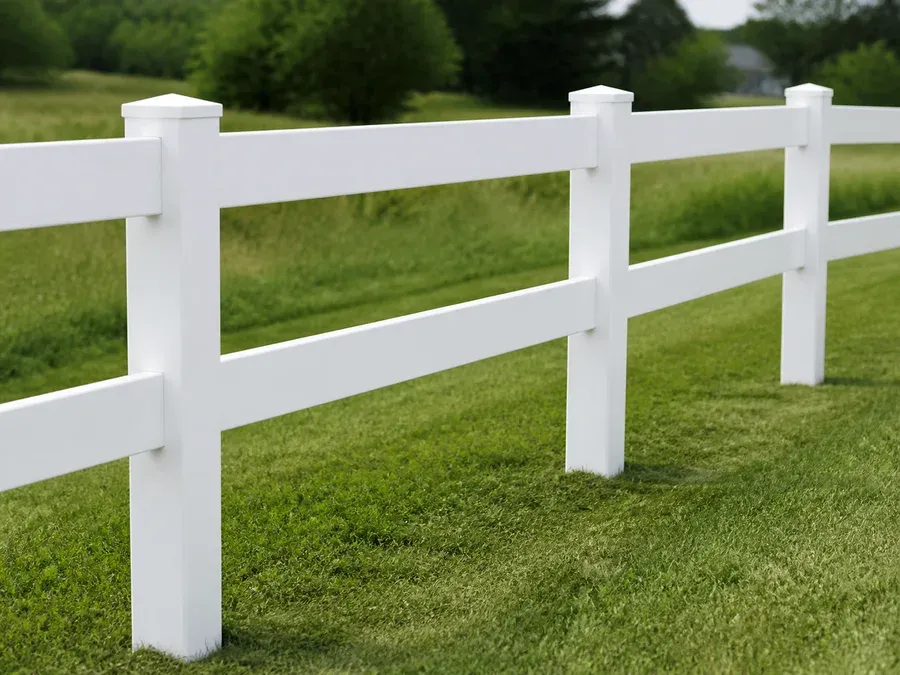
2 rail
Three-rail is the baseline; fewer rails reduce cost and more rails increase it.
-10%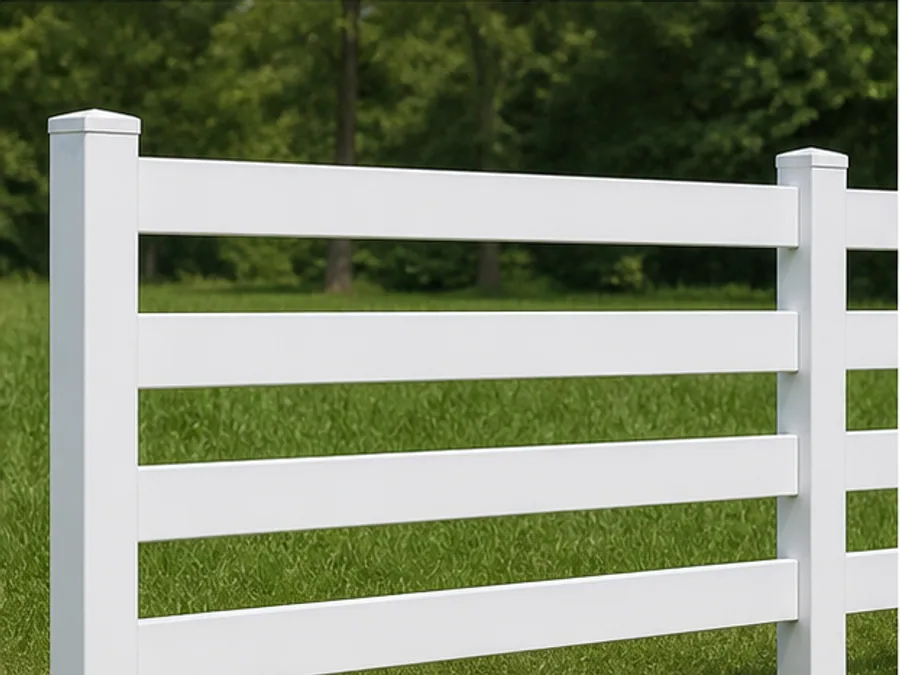
4 rail
Three-rail is the baseline; fewer rails reduce cost and more rails increase it.
+12%How the estimator works
From local research to a clearer fence plan
- 01
Find the property
Search the address or use coordinates to open the yard on satellite imagery.
- 02
Draw fence runs
Click each corner, close a perimeter, or start extensions from existing posts.
- 03
Set materials and gates
Compare wood, vinyl, chain link, aluminum, and split rail with heights and gate openings.
- 04
Review the estimate
See length, post spacing, grade notes, planning cost range, and a contractor-ready summary.
Local cost and contractor-market context
These signals help explain why planning prices can differ by area, but they work best after the estimator has the exact property layout and selected fence options.
Planning note: Labor and contractor-market signals help explain local price pressure around Hurt, Virginia; exact scope still depends on the property layout and selected fence options.
Project labor signal
United States shows Fence Erectors wage context near $23 per hour.
Broader contractor-market proxy
United States has 949,050 Construction establishments and 8,245,605 average employment. This is broader market context, not a count of fence contractors. Average weekly pay is near $1,631.
Regional cost level
Regional price parity context is loaded for United States with an index factor near 100%.
Construction activity
Permit activity shows 41,842 recent permits and a demand factor near 101%.
Fence details that change the estimate
The local data helps explain cost pressure, but the price still depends on the exact project design. For fence work, the highest-impact inputs usually include:
- linear feet
- height
- gate count and type
- grade
- old fence removal
- access
- Primary measurement
- run length, priced per linear foot
- Relevant material signals
- lumber and wood products, vinyl and plastics, steel wire and posts, aluminum and ornamental steel, post concrete
- Permit topics to verify
- Fence and zoning review, Setbacks and property lines, Utility marking
Weather, soil, and risk notes
Site conditions can affect prep, excavation, drainage, schedule, and review needs. Use these notes as reminders, then draw the property-specific scope so contractors can evaluate the real project.
Planning note: Soil context can point to excavation, footing, drainage, base-prep, or review questions.
Weather and climate
Available normals show 45.8 inches of precipitation and 10.27 inches of snowfall.
- freeze/thaw can affect post depth and concrete setting
- wind exposure can change panel, post, and footing decisions
Soil and base prep
USDA soil summary data has not been loaded for this area yet.
- rock, clay, and drainage can change post-hole labor
- soft or expansive soils may need a more conservative post plan
Mapped hazard context
FEMA hazard context has not been loaded for this area yet.
What is intentionally not shown as local data
National material inflation is useful for admin pricing models, but it is not city-specific enough to present as a local-page signal. Broad city elevation and slope are also left out because grade can change dramatically across one parcel.
Use the estimator map for property-specific measurements, and use terrain or excavation tools inside the estimator where they apply. If you request quotes later, the mapped plan gives participating contractors more useful information to review.
Next step
Ready for a more specific fence range?Start with the map and build the property plan so the local context and actual design can work together.