Fencing Scope of Work: What to Include and How to Write It
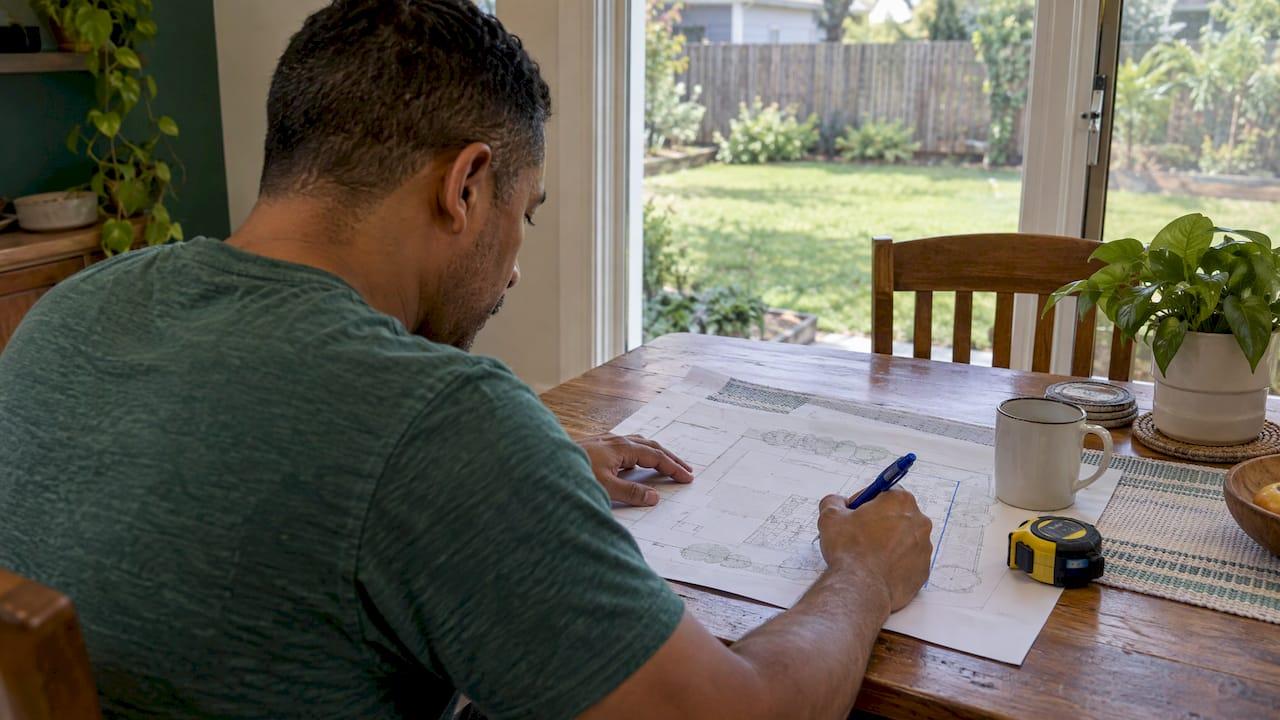
A fencing scope of work is a written, measurable description of what a fence contractor will build, with what materials, where, and what is and is not included in the price. The strongest ones name the fence line and footage, the height and material, every gate, the site conditions, who handles permits and utility locates, what gets removed, and how changes are approved. Write that down before you ask for bids and every contractor prices the same job.
This guide walks through each part of a residential fence scope, with a worked example you can adapt. It also covers the Idaho and Utah specifics we see most, such as rocky soil, slopes and 811 locate rules.
TL;DR
- A fence scope of work lists footage, height, material, style, posts, gates, removal, site prep, cleanup, exclusions and who is responsible for what.
- Measure the fence line first. Footage and gate count drive nearly every other number in a quote.
- Put permits, property-line checks, HOA approval and the 811 locate in writing, with a named person responsible for each.
- State what happens when conditions change (rock, utilities, a moved route) so surprises become agreed change orders.
- Send the same scope to every contractor so the quotes compare line for line.
Table of Contents
- What a fence scope of work actually is
- Start with the project summary
- Measure and map the fence line
- Specify materials, posts, and finish
- Describe every gate
- Document site conditions
- Settle permits, property lines, and utilities before digging
- Removal, hauling, cleanup, and restoration
- Allowances, alternates, and exclusions
- Changes, schedule, and payment
- A scope of work you can copy
- Use the scope to compare bids
- Know the numbers before you request quotes
- Plan it on the map, then request quotes
- Perspective: why the map comes before the bid
- FAQ
- Sources
What a fence scope of work actually is
The scope is the part of the contract that answers one question: what exactly am I paying for? One contractor guide describes it as a written, measurable description of the labor, materials, equipment, deliverables, limits, assumptions, exclusions and acceptance requirements for the project, coordinated with the signed contract, drawings, permits and change-order procedure.

That sits inside a larger agreement. A fence contract binds the property owner and the installer to a defined scope at a specified price and timeframe. If the scope is vague, the price is only a guess about what the contractor assumed.
For a homeowner, the scope has a second job. It is the document you hand to each bidder. When three contractors read three different mental pictures of your yard, you get three prices that cannot be compared. When they read one written scope, the differences that remain are real differences in price, quality or terms.
Start with the project summary
Open with a plain-English paragraph a stranger could follow. Include the property address, the purpose of the fence (privacy, pets, pool barrier, boundary, livestock), and the main constraints.
Example:
Install approximately 180 linear feet of 6-foot cedar privacy fence along the rear and east side property lines at the address above, with two 4-foot walk gates and one 12-foot double drive gate. Remove and haul away about 60 feet of existing chain-link along the east side. Fence steps down with the grade along the north run.
Contractor guides agree on the core of this summary: total linear footage, fence type, height, style and color, gate count, sizes and locations, a layout drawing, and whether existing fence is removed. Write “approximate” when footage is estimated and “confirmed” once it has been field-measured.
Measure and map the fence line
Everything downstream depends on footage. A university construction standard for chain-link fence says the specification should state length, height, type or coating, gates, posts, rails, tension wire and hardware, and that the contractor should field-measure before bidding. Residential jobs work the same way: your measurement gets bids started, and the contractor’s site visit confirms it.
Two details change the number more than people expect:
- Gate openings. A published state specification for chain-link measures fence length either including or excluding gate openings, depending on the payment method. Say which method your scope uses, or one bidder will count 180 feet and another 168.
- Segments. If the fence changes height, material or grade, split it into segments: rear run, east side, front return. Each segment gets its own length, height and notes.
A marked-up aerial drawing helps more than a paragraph of directions. With our Fence Estimator, you draw the fence line on satellite imagery, place gates, and get the length and a local planning range. You can then pull the measurements straight into your scope.
Specify materials, posts, and finish
“Wood fence” is not a specification. Name the material system and the parts a contractor would otherwise choose for you.
| Item | What to write |
|---|---|
| Material | Species or product (cedar, vinyl, steel, composite, chain-link), grade, profile |
| Height | By segment, measured from finished grade |
| Style | Privacy, picket, shadowbox, ornamental, board-on-board |
| Posts | Size, material, spacing, embedment depth |
| Footings | Concrete or other method, diameter, depth |
| Rails and pickets | Number of rails, picket width, gaps |
| Hardware and caps | Fasteners, post caps, finish or coating |
| Color or finish | Stain, paint, factory color, or none |
For posts and foundations, one scope template calls for post sizes, footing diameters, embedment depths, concrete and procedures for rock conditions. Post depth and footing method matter because they affect both how the fence performs and what it costs, which is why one estimate guide says labor documentation should identify them along with crew size or expected days.
If you are still choosing a material, our fence materials guide compares options by cost, maintenance and climate fit. For single-material detail, see the guides for steel, composite and picket fence.
Describe every gate
Gates are small in footage and large in cost, and they cause many disputes. List each one separately:
- Location on the plan (north side, off the driveway)
- Type: walk gate, double drive gate, sliding gate
- Clear opening width and height
- Swing direction and where it clears the ground
- Latch, hinges, lock and any closer
- Operator or opener, if automatic, and who supplies power
One Florida contractor checklist adds number of gates, gate width, swing direction, latch type and hardware to the core scope items. Add one more of your own: confirm the drive gate clears your widest vehicle or trailer with room to spare.
Document site conditions
This is the section most homeowner scopes skip, and it is where change orders come from. Describe what the contractor will meet on the ground:
- Slope. Say whether the fence follows the grade (stepped or racked panels) and where the steepest runs are.
- Soil and rock. Much of southern Utah and parts of the Boise foothills have caliche, cobble or bedrock close to the surface. Say who bears the cost if the crew hits rock, and whether the contractor will use an auger, a rock bit or another method.
- Vegetation and grading. Site preparation can include brush, roots, utility markings, leveling and tree work where necessary for post placement.
- Drainage and irrigation. Note sprinkler lines, ditches and low spots where water stands.
- Access. Narrow side yards, locked gates, steep driveways and dogs all affect how materials reach the fence line.
One template recommends documenting rock, unsuitable soil, slopes, drainage, access and utility coordination as part of the scope. Photos of each run, taken before work starts, make this section stronger and protect both sides later.
Settle permits, property lines, and utilities before digging
A scope should say who does each of these, not just that they happen.
Property line. A fence built on a neighbor’s land is expensive to fix. A guide to fence permits recommends confirming the line with a survey rather than relying on an old fence or a guess. In your scope, write whether a survey exists, who orders a new one, and whether the contractor stakes the line. For a plain-language look at how recorded easements can limit what you build, the easement checklist is a useful way to think about what to check before you commit to a layout, though easement law differs by state.

Permits and height rules. Rules vary by city and county. One national guide says a permit is commonly required for a backyard fence over 6 feet or a front-yard fence over 4 feet, with fees usually from $25 to $150, but your local code decides. Some cities set a different threshold: Colorado Springs, for example, requires a building permit for fences over 7 feet. To see how much local height limits can differ, look at fence height rules in Los Angeles. For Idaho and Utah, call your city or county planning office, and for unincorporated areas such as Boise County, check with the county. Pool barriers often have their own height and gate requirements, so ask about those separately.
HOA approval. If you have an HOA, get approval in writing and attach it to the scope.
Utility locates. Fence post holes are excavation. In Idaho, 811 requires notice at least two business days before you dig, and the same guidance says to hand dig within 24 inches of either side of marked lines and that tickets are valid for 28 days. In Utah, Blue Stakes asks you to notify at least 3 business days prior to excavation. Write into the scope who places the locate request (most contractors do) and that digging starts only after markings are confirmed. Private lines, such as sprinkler wiring, landscape lighting and gas to a grill, are usually not marked by the public locate, so show them on your plan.
Removal, hauling, cleanup, and restoration
Quotes that look far apart often differ on this section alone. One estimate guide notes the scope should state whether demolition, post removal, hauling and disposal are included, because quotes that omit them may not be comparable.
Spell out:
- Existing fence to remove, by length and type
- Whether old concrete footings are pulled or cut off
- Where debris goes (hauled off, or left in a pile for you)
- Whether the contractor repairs lawn, irrigation or pavers disturbed by equipment
- End-of-job cleanup: leftover concrete, cut ends, packaging
The ownership question matters too. If you plan to keep the old cedar boards or sell salvage, write it down.
Allowances, alternates, and exclusions
These three terms keep a scope honest.
- Allowances cover items not yet chosen, such as a decorative gate, with a set dollar amount that adjusts once you pick.
- Alternates are priced options, such as upgrading from pressure-treated posts to steel posts, or adding a kick board.
- Exclusions list what the price does not cover: permit fees, survey, tree removal, rock excavation, painting or staining, electrical for gate operators.
A professional estimate should show the total price and what the number includes, such as sales tax, permit fees, demolition, disposal, delivery, gates and access charges. Add a line for work done by others, for example your electrician running power to a gate opener.
Changes, schedule, and payment
Change orders. Name the triggers in advance: a disputed route, a utility conflict, abnormal obstruction, a footing change, unsuitable soil, an added gate, a revised material or a new approval requirement. One guide recommends that the scope name those triggers so discovery can be compared with the accepted scope before anyone assigns cost. Require a written, signed change order before any extra work.
Schedule. Give a start window, expected crew days, and what delays count (weather, permit timing, material lead times). Custom vinyl, steel and composite often have longer lead times than stock wood.
Payment. A typical residential contract has a deposit at signing, commonly 30 to 50 percent, and a final payment on completion. Ask that the final payment follow your walk-through and the punch list.
Pricing method. Lump-sum contracts set one price for a fully defined scope. Unit-price contracts price per measurable unit, such as per linear foot, per gate or per post set in concrete, and are more common where quantities are uncertain at bid time. For a house lot with a measured fence line, lump sum with unit prices for change orders is a clear combination.
A scope of work you can copy
Use this skeleton and fill in your own numbers.
- Project and parties. Address, owner, contractor, license number, insurance.
- Summary. Purpose, total footage, fence type, height, style, color.
- Segments. Table by run: length, height, material, grade notes.
- Posts and footings. Size, spacing, depth, concrete method.
- Gates. List with width, type, hardware, location.
- Site conditions. Slope, rock, vegetation, drainage, access, private utilities.
- Permits and approvals. Who pulls permits, survey, HOA letter, 811 request.
- Removal and cleanup. What comes out, where it goes, what gets repaired.
- Included, allowances, alternates, exclusions.
- Schedule and payment. Start window, crew days, deposit, final payment.
- Changes and acceptance. Change order process, walk-through, warranty terms.
Use the scope to compare bids
A detailed scope lets every contractor price the same layout, with the same footage, height, material, gate count and style, so quotes can be compared apples to apples. Before you compare totals, match material specs, footage, gate count, demolition and disposal, permit and HOA handling, post depth, concrete, warranty, insurance, licensing and payment terms, as one buyer’s guide advises. Apparent price gaps frequently reflect different materials, labor standards or included work, not a pricing error.
A short table helps:
| Line | Bid A | Bid B | Bid C |
|---|---|---|---|
| Linear feet priced | |||
| Height and material | |||
| Gates (count, size) | |||
| Removal and hauling | |||
| Permit and locate handled by | |||
| Rock or unforeseen conditions | |||
| Warranty | |||
| Total and payment terms |
When a bid has blanks in this table, send the question back in writing. Our guide to fencing quotes covers yard measurement, gates, slopes and removal scope in more depth, and a walkthrough of contractor bid red flags helps you spot gaps quickly.
Know the numbers before you request quotes
A scope also tells you what a reasonable budget looks like. One estimating guide says a fence is priced by the linear foot, with gates, tear-out and site factors as separate line items, and puts installed costs in 2026 at $10 to $60 per linear foot depending on material. That range is wide, which is why your own footage, height and material matter. See our fence cost guide for how materials, labor, gates and site factors add up, or use the fence cost calculator for a quick figure.
Plan it on the map, then request quotes
We built Property Improvement Estimator so the scope starts from your real property, not a blank form. You draw the fence line on aerial imagery, add gates and options, see a locally adjusted price range with no account required, and send a quote request that carries your drawing, measurements and photos to contractors.

Start with the Fence Estimator, or try the fence estimate calculator for quick specs. Planning a deck or pool as well? The same map tools work for those, from the home page.
Perspective: why the map comes before the bid
Most bad fence quotes start with a bad description. A homeowner says “about 150 feet, six-foot privacy” and three contractors each fill in the blanks differently: one counts the gate, one assumes flat ground, one leaves out the old fence.
We think the fix is to measure first. When you draw the exact fence line on a map, the footage, the gate positions and the slopes stop being opinions. The contractor receives a drawing, measurements, options and photos, and can price what is actually there.
That is why we built the estimator around the property itself. A better-defined request tends to get better-matched quotes, and it saves contractors a site visit just to learn what you already know.
Christian
FAQ
Who writes the fence scope of work, the homeowner or the contractor?
Either can, but the best results come when you draft it and the contractor refines it after a site visit. Your draft sets the footage, height, material and gate count. The contractor adds post depths, methods and conditions you could not see, and both of you sign the final version.
How detailed does a residential fence scope need to be?
Detailed enough that a different contractor could build the same fence from it. Cover footage, height, material, posts, gates, removal, site conditions, permits, exclusions and change-order rules. Most residential scopes fit on one to two pages plus a drawing.
Who is responsible for the utility locate and permits?
It depends on the contract, so write it down. Many contractors request the 811 locate and pull permits, but some leave them to the owner. In Idaho the locate needs two business days, and in Utah three business days, so build that time into the schedule.
What should happen if the crew hits rock or an unmarked line?
Your scope should say so before it happens. Name rock, unsuitable soil and utility conflicts as change-order triggers, state how the added work is priced, and require written approval before work continues. If a crew finds an unmarked underground line, work near it stops until it is identified.
Sources
- Free Fencing Scope of Work Template
- Fence Installation Contracts and Bids: Key Terms and Clauses
- What to Include in a Professional Fence Quote
- Michigan State University chain-link fence construction standard
- Construction Specification 91, Chain Link Fence
- How to Read a Fence Estimate: A Buyer’s Guide
- Fence Contract Checklist for Southwest Florida Homes
- Fence Permits & Property Lines Guide
- Fences, City of Colorado Springs
- Call Before You Dig, Idaho Power
- Blue Stakes of Utah 811
- Fence Quotes by the Foot: What Changes the Price
- How to Compare Fence Estimates
- Fencing Estimate: What to Include and How to Price It
- Fence Height Rules in Los Angeles
- Contractor Bid Red Flags
- Easement checklist