Driveway Resurfacing Options and Costs

Resurfacing your driveway can dramatically improve your property's curb appeal while addressing functional issues like cracks, stains, and surface deterioration. In 2026, homeowners have access to diverse resurfacing solutions, each with distinct cost implications and benefits. Understanding your options helps you make an informed decision that balances budget constraints with long-term value.
This comprehensive guide explores the primary driveway resurfacing options available today, their associated costs, factors affecting pricing, and how to determine which solution best suits your property's needs.
Understanding Driveway Resurfacing
Driveway resurfacing involves applying a new layer over an existing driveway surface rather than removing and replacing the entire structure. This approach is typically more cost-effective than complete replacement and can extend your driveway's life by 10 to 20 years when properly executed.
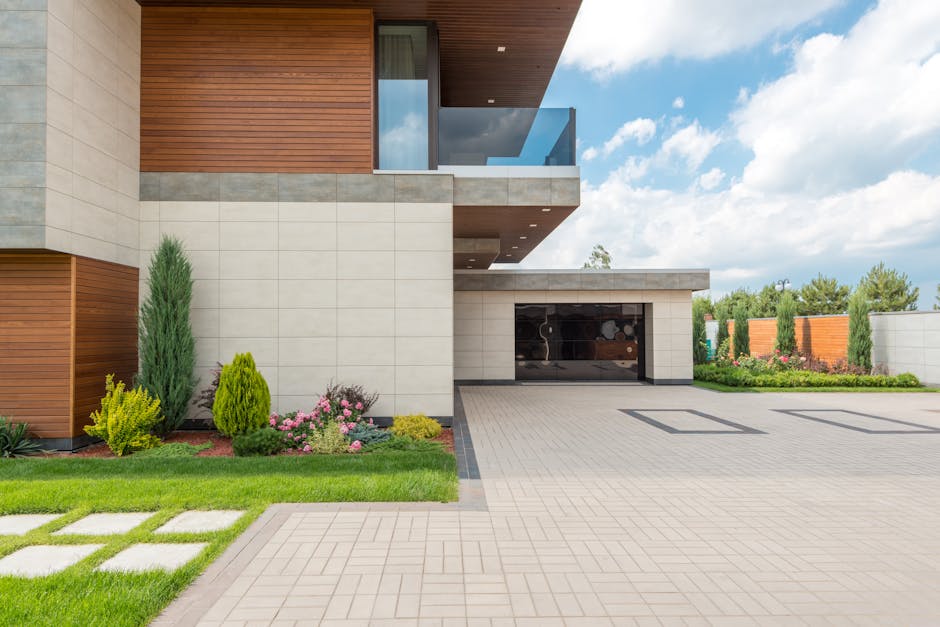
Resurfacing works best when the existing base remains structurally sound. If your driveway has significant settling, extensive cracking wider than a quarter-inch, or deep potholes, you may need to consider full replacement instead. Minor surface damage, discoloration, and superficial cracking are ideal candidates for resurfacing treatments.
The decision to resurface depends on several factors including the current condition of your driveway, your budget, aesthetic preferences, and how long you plan to remain in your home. Resurfacing typically costs 40 to 60 percent less than full replacement while delivering substantial visual improvement.
Asphalt Resurfacing Options and Costs
Asphalt remains one of the most popular driveway materials due to its durability and relatively moderate cost. Resurfacing an asphalt driveway involves applying a new asphalt layer, typically 1.5 to 2 inches thick, over the existing surface after proper preparation.
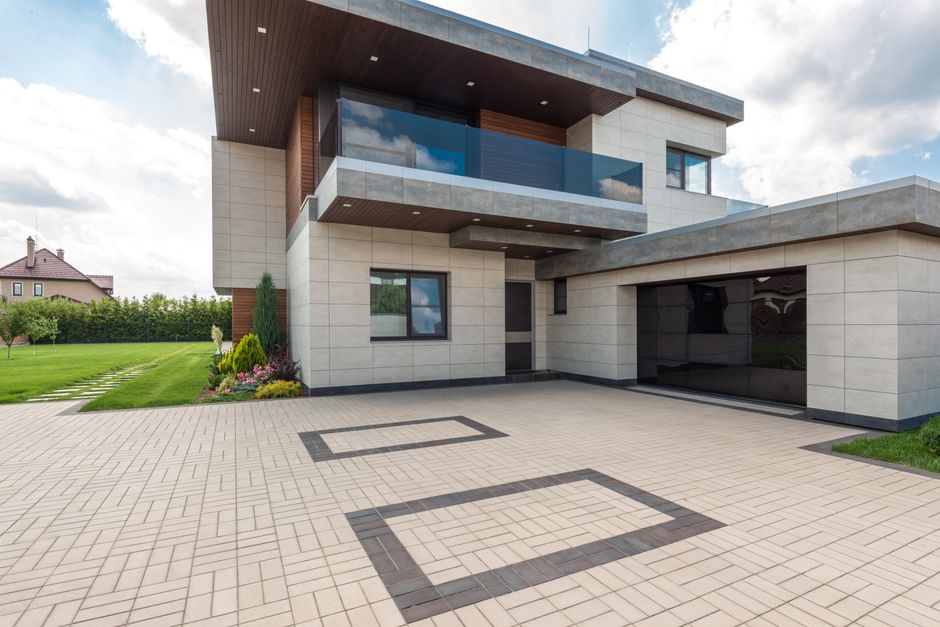
In 2026, asphalt resurfacing costs range from $2 to $5 per square foot, with most homeowners paying approximately $3 to $4 per square foot for standard residential projects. For a typical 600-square-foot driveway, expect to invest between $1,800 and $2,400. Larger driveways benefit from economies of scale, while small or difficult-to-access driveways may command premium pricing.
The process begins with cleaning and repairing the existing surface, filling significant cracks, and applying a tack coat to ensure proper adhesion. The new asphalt layer is then applied, rolled, and compacted. Properly installed asphalt resurfacing should last 12 to 20 years with routine maintenance including seal coating every 2 to 3 years.
Key advantages of asphalt resurfacing include relatively quick installation (often completed in one day), immediate improvement in appearance, and excellent performance in cold climates. The smooth, dark finish provides a clean, professional look that complements most home styles. For a more detailed look at new asphalt costs, check out our guide on the Cost to Install an Asphalt Driveway in 2026.
Concrete Overlay Systems
Concrete overlays represent an increasingly popular option for homeowners seeking to revitalize deteriorating concrete driveways. These systems involve applying a thin layer of modified concrete over the existing surface, with thickness ranging from a quarter-inch to several inches depending on the application method and desired finish.
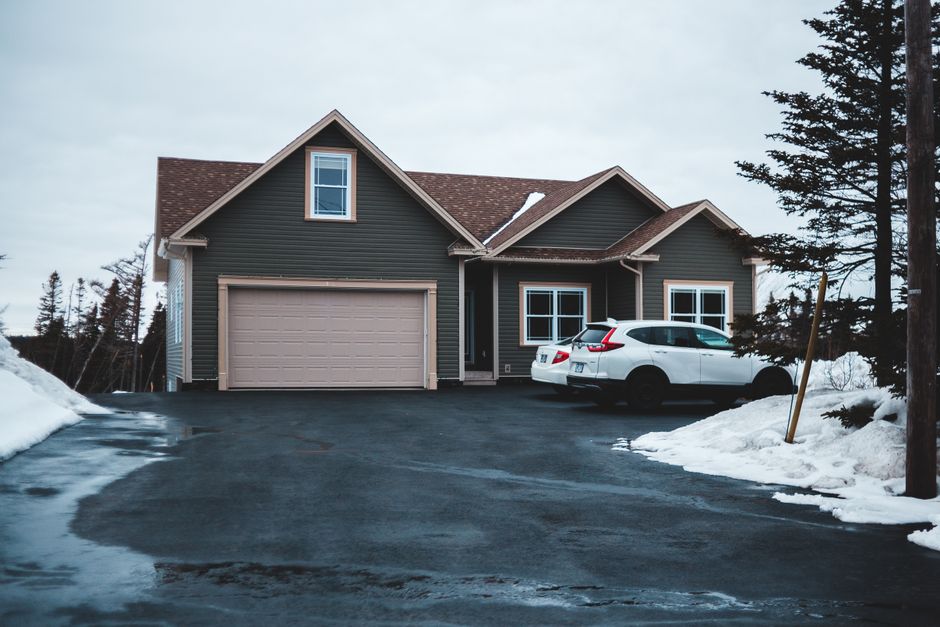
Standard concrete resurfacing costs between $3 and $8 per square foot in 2026, with decorative options reaching $10 to $20 per square foot. The significant price variation reflects the wide range of finish options available, from basic broom finishes to stamped patterns, stained designs, and textured applications that mimic natural stone or brick.
Spray-down or squeegee applications represent the most economical approach, costing $3 to $5 per square foot. These create a smooth, uniform surface that addresses minor imperfections while providing a fresh appearance. Stamped concrete overlays, which require skilled installation and can replicate high-end materials, typically cost $8 to $15 per square foot.
The longevity of concrete overlays depends on proper surface preparation and installation quality. Well-executed overlays can last 10 to 15 years before requiring maintenance or reapplication. Regular sealing every 2 to 3 years protects the surface and extends its lifespan.
Concrete overlays excel in warm climates where freeze-thaw cycles are minimal. They offer superior customization options compared to asphalt, making them ideal for homeowners prioritizing aesthetic flexibility and unique design elements. Interested in other concrete projects? Learn about Concrete Patio vs Paver Patio Cost in 2026.
Alternative Resurfacing Materials
Beyond traditional asphalt and concrete options, several alternative materials have gained traction in the resurfacing market, each offering distinct characteristics and cost profiles.
Tar and chip resurfacing, also known as chip seal, involves applying hot liquid asphalt followed by stone chips that are rolled into the surface. This rustic option costs $2 to $5 per square foot and provides excellent traction with a textured appearance. The finish works particularly well for rural properties and long driveways where a more casual aesthetic is desired.
Resin-bound systems combine natural aggregate with clear resin to create a permeable, smooth surface. These systems cost $8 to $15 per square foot, positioning them at the premium end of the market. The primary advantages include permeability (important for drainage regulations in some areas), low maintenance requirements, and resistance to weed growth.
Pavers over concrete represent another option where thin pavers are installed over an existing concrete base. Costs range from $10 to $25 per square foot depending on paver selection. This approach delivers exceptional aesthetic appeal and allows for creative patterns but requires significant investment.
Epoxy coatings designed specifically for driveways have emerged as a modern solution, particularly for garage aprons and shorter driveways. Professional epoxy applications cost $5 to $12 per square foot and create extremely durable, stain-resistant surfaces. The coatings resist oil, chemicals, and weathering while offering various color and flake options for customization.
Factors Affecting Resurfacing Costs
Several variables influence the final cost of driveway resurfacing projects beyond the base material selection. Understanding these factors helps establish realistic budget expectations.
Driveway size significantly impacts per-square-foot pricing. Larger driveways benefit from reduced per-unit costs as contractors distribute mobilization expenses and equipment setup across more square footage. Conversely, very small driveways may carry premium pricing due to minimum service charges.
Surface preparation requirements can substantially affect total project costs. Driveways needing extensive crack repair, leveling, or cleaning require additional labor and materials. Severe deterioration may necessitate partial base repair, increasing costs by 25 to 50 percent beyond standard resurfacing estimates.
Accessibility and site conditions influence pricing. Driveways with limited access requiring hand work or smaller equipment cost more than easily accessible locations. Steep slopes, tight spaces, or obstacles like mature trees near the work area all contribute to increased labor costs.
Geographic location creates significant pricing variations. Urban areas with higher labor costs typically see resurfacing prices 20 to 40 percent above rural areas. Regional climate also affects material selection and pricing, with cold-weather areas often favoring asphalt while warm climates see more concrete and decorative options.
Timing affects availability and pricing. Contractors are busiest during spring and summer months when favorable weather conditions prevail. Scheduling projects during shoulder seasons (early spring or late fall) may yield modest discounts as contractors maintain steady workflow.
Additional features like borders, aprons, or decorative elements increase costs but enhance visual appeal. Adding a contrasting border costs approximately $5 to $12 per linear foot, while decorative saw cuts or scoring adds $1 to $3 per square foot to concrete projects. Similar considerations apply when comparing Composite Decking vs Wood Cost Guide 2026.
Planning Your Driveway Resurfacing Project
Successful driveway resurfacing begins with thorough planning and realistic expectations. Start by assessing your existing driveway's condition to determine whether resurfacing is appropriate or if full replacement is necessary. Look for structural issues like significant settling, deep cracks, or base failure that indicate resurfacing won't provide lasting results.
Obtain multiple quotes from reputable contractors, ensuring each proposal includes detailed scope descriptions, material specifications, warranty information, and timeline expectations. Quotes should itemize preparation work, material costs, labor, and any additional features. Be wary of estimates significantly below market rates, which may indicate quality compromises or hidden costs.
Consider long-term maintenance requirements and costs when evaluating options. Asphalt requires seal coating every few years, while concrete may need periodic sealing and crack repair. Factor these ongoing expenses into your decision-making process alongside initial installation costs.
Check local regulations and homeowner association requirements before proceeding. Some municipalities require permits for driveway work, and HOAs may have specific aesthetic standards or approval processes. Addressing these requirements early prevents costly delays or modifications.
Modern planning tools make visualizing and estimating outdoor projects easier than ever. Technology allows property owners to design improvements directly on property maps, calculate project scope, and obtain preliminary cost ranges before requesting contractor quotes. This approach helps refine project specifications and set realistic budgets before engaging contractors. For other outdoor home improvement considerations, explore the Fence Installation Cost Per Foot in 2026.
Weather considerations impact both timing and material selection. Asphalt installation requires temperatures above 50°F, while concrete work performs best between 50°F and 85°F. Plan projects during optimal weather windows to ensure proper curing and long-term performance.
Conclusion
Driveway resurfacing offers an economical alternative to full replacement, with 2026 costs ranging from $2 per square foot for basic asphalt to $20 or more per square foot for premium decorative concrete systems. Your optimal choice depends on existing conditions, aesthetic preferences, climate considerations, and budget constraints.
Asphalt resurfacing provides durability and value for most residential applications, while concrete overlays deliver superior customization for homeowners prioritizing design flexibility. Alternative materials like resin-bound systems and epoxy coatings serve specialized needs with unique benefits.
Success requires careful evaluation of your driveway's condition, obtaining multiple detailed quotes, understanding long-term maintenance requirements, and selecting materials appropriate for your climate and usage patterns. Proper planning, quality materials, and skilled installation ensure your resurfaced driveway enhances property value and curb appeal for years to come.
Investing time in thorough research and planning pays dividends through improved outcomes and avoided costly mistakes. Whether you choose economical asphalt resurfacing or premium decorative concrete, a well-executed project transforms your property's entrance while providing reliable performance throughout its expected lifespan.