What a Driveway Extension Really Costs in 2026
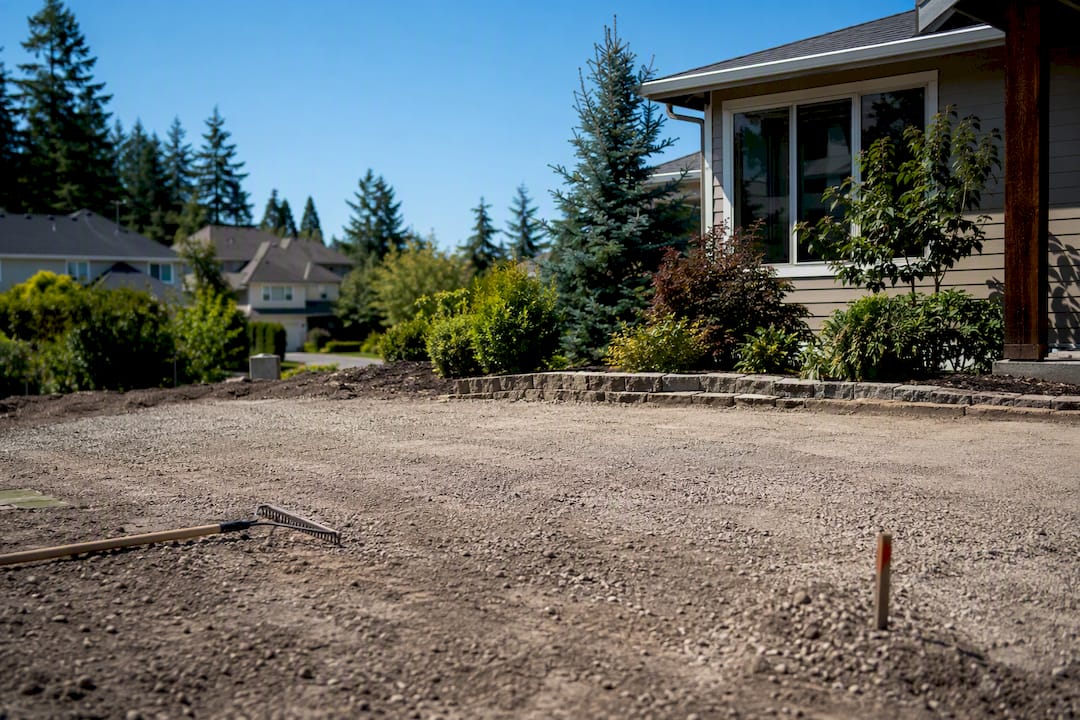
A driveway extension typically runs $3 to $12 per square foot, with most homeowners landing closer to $7.50 depending on material and site conditions. That range covers a small gravel patch on one end and a stamped concrete apron with heavy base prep on the other.
For a common 200 sq ft extension, expect roughly in the low thousands, and for a larger 400 sq ft widening project, correspondingly more. Industry cost guides put the typical small driveway extension average around $1,900, with a normal range of $800 to $3,000.
Three things swing your final number more than anything else: the material you pick, how much grading and base prep your site needs, and whether your city requires a permit for work near the street. The rest of this guide walks through each of those variables so you can turn a rough range into a number you can actually budget against.
Key Takeaways
Driveway extension costs depend far more on site prep, material choice, and labor than any single per-square-foot number can capture.
| Point | Details |
|---|---|
| Cost ranges by material | Gravel runs $2 to $6 per sq ft, concrete $8 to $16, asphalt $5 to $12, and pavers $15 to $30. |
| Size drives total cost | A 200 to 300 sq ft extension typically totals $800 to $3,000 depending on material and site conditions. |
| Site prep is the wildcard | Excavation depth, drainage needs, and utility relocations push quotes above the baseline estimate. |
| Budget a contingency | Hold back about 10% of your total estimate for unexpected site conditions found during excavation. |
| Get a dimensioned estimate | Propertyimprovementestimator lets you draw your extension on a satellite map for a site-specific cost breakdown and contractor packet. |
Table of Contents
- Driveway Extension Cost by Material
- How Much Do Different Extension Sizes Cost?
- What Actually Drives Your Final Price
- How to Estimate Your Own Driveway Extension
- Getting a Site-Specific Estimate Instead of a Guess
- Is a Driveway Extension Worth the Investment?
- Labor vs. Materials: Where Your Money Actually Goes
- How Long Does a Driveway Extension Take?
- Hidden Costs That Catch Homeowners Off Guard
- Building In a Realistic Contingency
- What the Research Actually Tells Homeowners
- Get a Site-Specific Driveway Estimate Before You Call Contractors
- Sources
Driveway Extension Cost by Material
Material choice drives more of your total than any other single decision. It affects not just the sticker price per square foot, but how long the surface lasts and what you’ll spend maintaining it over the next decade.
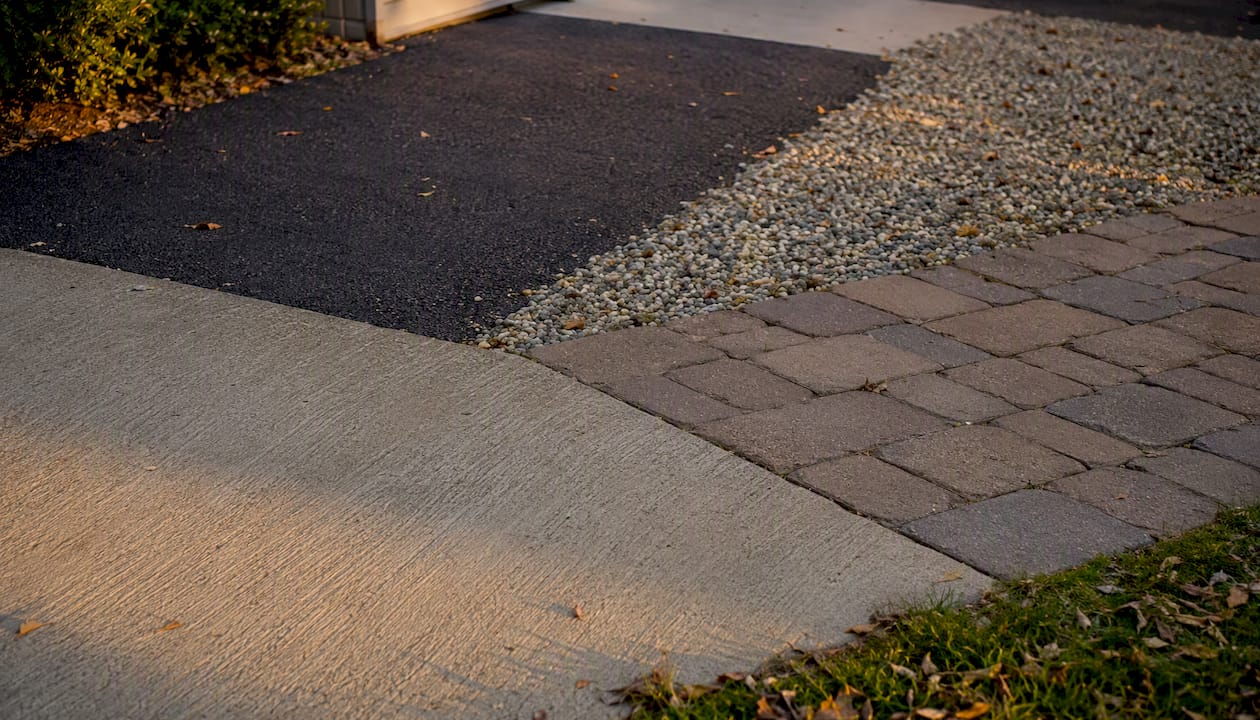
Concrete typically costs within a mid-range per square foot installed. Homewyse pricing data puts a basic concrete driveway install around $9.59 to $11.78 per square foot as a baseline, before you factor in decorative finishes. A standard 4 inch slab with wire mesh reinforcement sits at the lower end; bump the thickness to 5 or 6 inches for heavier vehicles, add rebar instead of mesh, or choose a stamped or exposed-aggregate finish, and you’ll push toward the top of that range fast. Broom-finished concrete is the budget-friendly default; stamped concrete designed to mimic stone or brick can add $4 to $8 per square foot on its own.
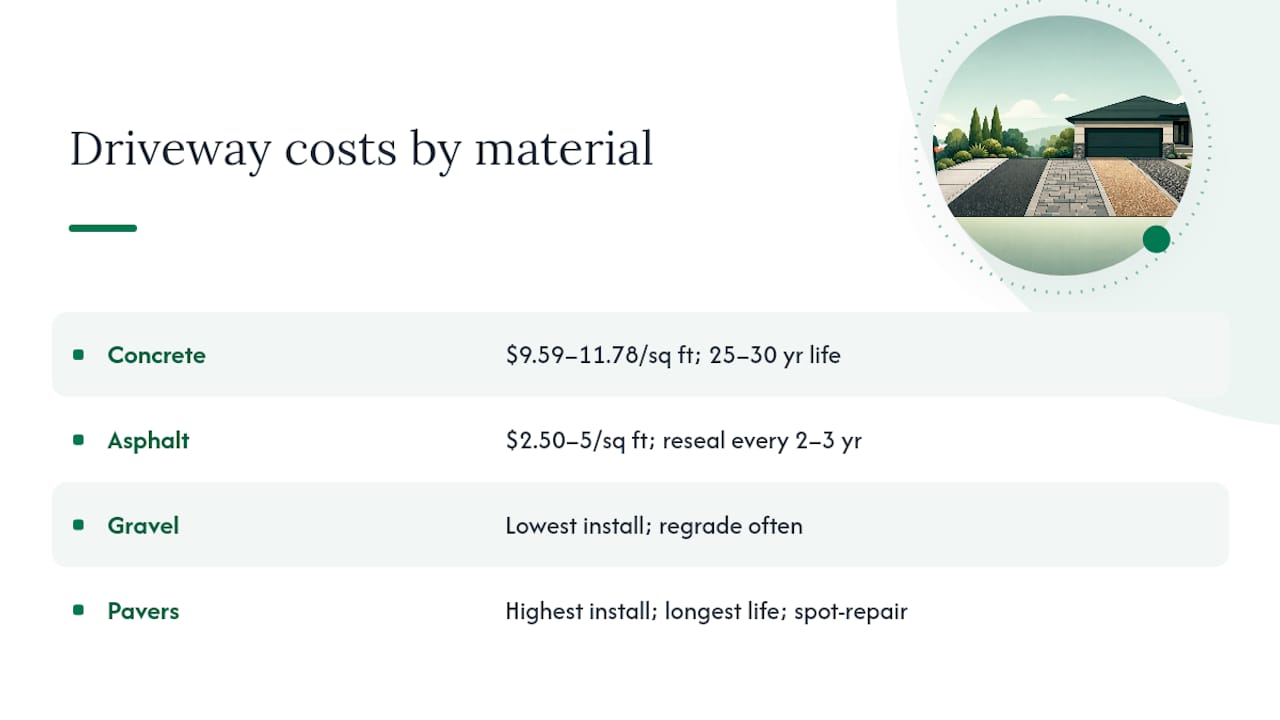
Asphalt runs at a moderate cost per square foot, though it’s often priced by the ton rather than the square foot. Asphalt typically costs $100 to $200 per ton, which works out to roughly $2.50 to $5 per square foot at a standard 4 inch thickness, not counting base preparation, according to Angi’s cost breakdown. Asphalt needs proper compaction during installation and a reseal every 2 to 3 years to hold that lower lifetime cost. Skip the reseal and you’re looking at cracking and potholes within five years.
Gravel is the budget option at a lower per square foot price range. Material costs are low, but gravel needs periodic regrading, and you’ll lose some material to erosion and vehicle traffic every year. It’s a reasonable choice for a rural property or a secondary parking pad, but a poor match if you’re trying to match a paved driveway.
Pavers and brick are at the higher end of per square foot pricing. The material itself isn’t always what drives the cost. It’s the labor. Setting individual pavers or bricks by hand, prepping a compacted sand or gravel bed underneath, and cutting pieces to fit edges takes far more time than pouring a slab. In exchange, you get a driveway that can be repaired piece by piece instead of replaced whole, and a look that concrete can’t fully replicate.
A quick way to think about lifecycle cost: gravel is cheapest to install but most expensive to maintain over 10 years. Concrete and asphalt split the difference, with concrete lasting longer (25 to 30 years) but costing more upfront. Pavers cost the most initially but often outlast everything else if properly installed and can be spot-repaired instead of replaced. If you’re leaning toward asphalt, Propertyimprovementestimator’s asphalt calculator can help you convert your planned area into tons and get a local cost estimate before you call a contractor.
How Much Do Different Extension Sizes Cost?
Numbers get more useful once you attach them to a real size. Here’s how typical driveway extension projects break down, assuming a standard concrete installation with 4 inch thickness and no major site complications.
These figures assume the extension ties into an existing driveway with a reasonably flat grade and that base preparation (excavation and compacted stone) is included in the total. HomeGuide’s sample project data shows a 24 by 24 foot driveway (576 sq ft) landing anywhere from $1,700 to $6,900 depending on finish choice and how much base work the site needs, which lines up closely with the two-car widening range above.
A few things push a quote toward the high end even within the same size category:
- A slope requiring extra excavation or a retaining element along one edge.
- An existing driveway that needs saw-cutting and a proper tie-in joint rather than a simple edge match.
- Soil that won’t compact well and needs extra base stone or geotextile fabric.
- Any need to relocate a sprinkler line, drain, or utility marker discovered mid-dig.
That last point matters more than most homeowners expect. A quote based on a site visit can still miss what’s a few inches below the surface, which is exactly why a contingency line in your budget isn’t optional.
What Actually Drives Your Final Price
Beyond material, five factors decide whether your project lands at the low end of a range or blows past the high end.
- Excavation and base depth. A deeper compacted base (6 to 8 inches of stone versus a bare 4 inches) costs more upfront but dramatically cuts your risk of cracking and settling within the first few winters. This is one area where cutting the budget usually costs you more later.
- Drainage work. If your extension changes how water sheds off your property, you may need a French drain or regrading. Expect an added $1,000 to $3,000 depending on length and complexity, according to common cost driver breakdowns.
- Tie-ins and right-of-way work. Connecting a new section to curbs, aprons, or a stretch of driveway that crosses public right-of-way often triggers engineer review or a separate permit, especially on a steep slope.
- Access and mobilization. Narrow side-yard access, a long haul from the street, or a driveway a concrete truck can’t reach directly all add labor hours. Crews sometimes need to wheelbarrow material in, which is slower and pricier than a direct pour.
- Permits and inspections. Fees vary widely by city, typically running $50 to $500, and they’re most likely to apply when your extension affects drainage, crosses a property line, or touches the public right-of-way.
Pro Tip: Call your local building department before you get quotes, not after. Permit and right-of-way rules vary so much by municipality that a contractor’s assumption about what’s required can be wrong for your address specifically.
How to Estimate Your Own Driveway Extension
You don’t need to be a contractor to get a real number before you start requesting bids. Here’s the workflow.
- Measure the area. Multiply length by width for a rectangular extension. If your driveway curves, break it into smaller rectangles and triangles, measure each, and add the pieces together.
- Pick your thickness and material. A standard residential concrete slab runs 4 inches thick; asphalt is typically 3 to 4 inches of compacted surface over a stone base.
- Convert to material quantities. For concrete, multiply square feet by depth in feet, then divide by 27 to get cubic yards. For asphalt, multiply area by thickness and density to estimate tonnage. Propertyimprovementestimator’s concrete estimator and asphalt estimate calculator run these conversions automatically once you enter your dimensions.
- Build a contractor packet. Include photos of the tie-in point, any slope, drainage paths, and access routes. The more specific your packet, the fewer surprise change orders later.
- Compare bids line by line. Break each quote into base prep, drainage, finish, mobilization, and permit fees. A bid missing a line item isn’t necessarily cheaper, it might just be incomplete.
Watch for a quote that’s dramatically lower than the others with no explanation. It usually means shallow base depth, no drainage consideration, or a piece of the scope left out entirely.
Getting a Site-Specific Estimate Instead of a Guess
Generic per-square-foot ranges are a starting point, not a final answer. Your actual driveway sits on a specific lot, with a specific slope, soil type, and tie-in point, and those details change the math.
Propertyimprovementestimator lets you draw your planned extension directly on a satellite image of your property, so the dimensions feeding your estimate come from your actual lot rather than a rough guess. The platform’s concrete and asphalt calculators apply local cost data and let you test different thickness options to see how the total shifts.
- Draw the exact footprint of your planned extension on your property map.
- Choose material and thickness and see quantities calculated automatically.
- Generate a scope packet with dimensions and photos ready to send to contractors.
- Compare multiple material options before committing to one.
The practical payoff is fewer change orders down the line, because your contractor is bidding on the same dimensioned scope you planned rather than reconstructing it from a phone call.
Pro Tip: Draw two or three material options for the same footprint before you request quotes. Seeing the concrete-versus-asphalt cost gap on your actual property, not a national average, makes budget tradeoffs much clearer.
Is a Driveway Extension Worth the Investment?
Whether an extension pays you back depends heavily on why you’re doing it. A gravel pad added purely for extra parking is a functional upgrade, not really a resale play. A concrete or paver extension that matches your home’s existing driveway and improves curb appeal is a different story.
- Professional installation and a material that matches your home’s existing style improve your odds of recouping cost at resale, according to industry cost analysis.
- Concrete and pavers tend to hold value longer than gravel, which shows wear faster and can actually detract from curb appeal if not maintained.
- A mismatched material, gravel next to a concrete driveway, for instance, can look like an unfinished project rather than an upgrade.
If resale value matters to your decision, prioritize matching your existing surface over saving a few dollars per square foot on a cheaper material, as discussed in does a ground-floor extension truly add value?.
Labor vs. Materials: Where Your Money Actually Goes
Materials alone rarely account for even half of your total bill. For a typical concrete driveway extension, labor usually makes up 40% to 60% of the total cost, covering excavation, base compaction, forming, pouring, finishing, and cleanup.
Asphalt shifts the ratio slightly toward labor as well, since compaction equipment and crew time to achieve a smooth, durable surface add up regardless of how cheap the raw asphalt mix is per ton. Pavers flip the ratio hardest toward labor: the material cost per unit is often modest, but hand-setting each piece and cutting borders to fit can push labor above 60% of the total bid.
This is why two quotes with similar material line items can still land far apart. A crew charging a lower hourly rate, or one that rushes base prep to save time, will quote lower, but that gap often shows up later as cracking or settling. When comparing bids, ask each contractor to break out labor hours separately from material costs. It’s the clearest way to spot a quote that’s cutting corners on prep work rather than genuinely being more efficient.
How Long Does a Driveway Extension Take?
A small 200 to 300 sq ft extension typically takes 2 to 4 days from excavation to a drivable surface, though concrete needs additional curing time before it can handle vehicle weight. Larger extensions in the 400 to 600 sq ft range, or projects requiring significant drainage work, often stretch to 5 to 7 days and may involve multiple crews working in sequence, according to project timeline data.
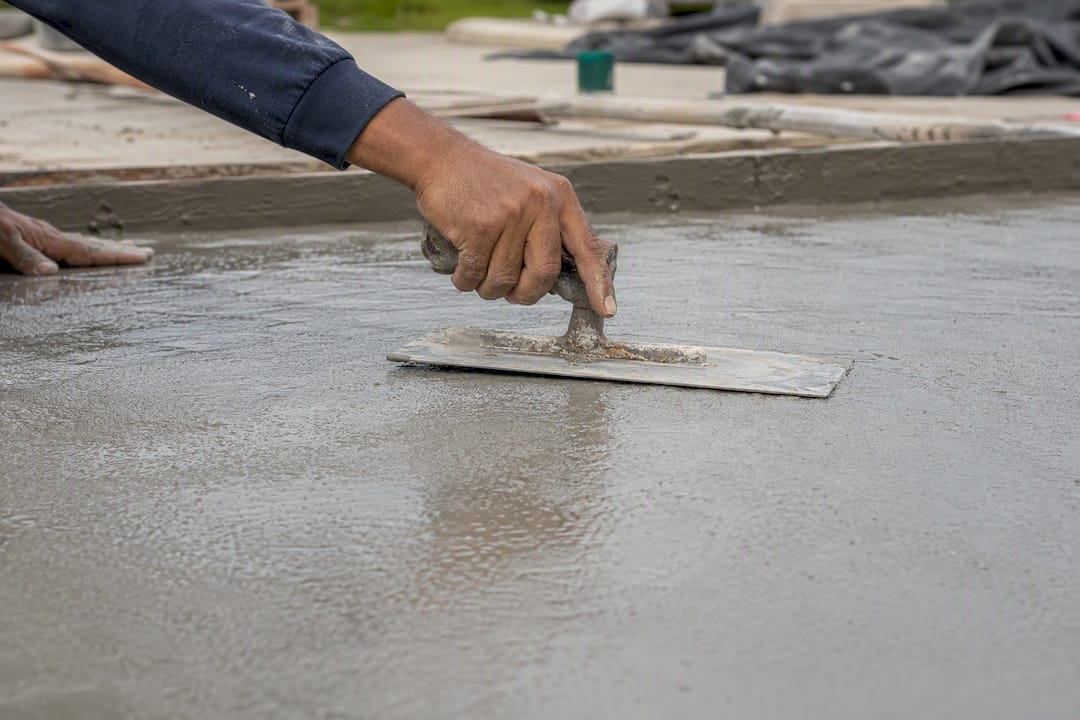
Concrete needs roughly 24 to 48 hours before foot traffic is safe and about a week before vehicles should drive on it regularly, with full cure strength reached around 28 days. Asphalt is more forgiving. Foot traffic is fine within a day, and vehicles can typically use it within 3 to 5 days, though it stays soft in hot weather for the first few weeks.
Weather is the wildcard that throws off every schedule. Concrete pours get delayed by rain or freezing temperatures, and asphalt can’t be laid properly below about 50°F. If you’re planning a fall or early spring project, build a few extra days of schedule slack into your expectations, especially if you live somewhere with unpredictable shoulder-season weather.
Hidden Costs That Catch Homeowners Off Guard
The quote you get rarely covers everything you’ll actually pay by the time the project wraps. A few line items tend to surface only once work is already underway.
Utility line relocation is the big one. If your extension crosses a buried sprinkler line, gas line, or electrical conduit that wasn’t marked or wasn’t where records indicated, relocating it can add several hundred to a few thousand dollars depending on what’s involved. Always call 811 before excavation starts, but understand that even accurate utility marking doesn’t guarantee zero surprises.
Landscaping restoration is the other common miss. Extending a driveway often means removing grass, shrubs, or a section of garden bed, and most driveway quotes don’t include putting that back. Budget separately for sod, mulch, or replanting if your extension eats into existing landscaping.
Other costs that slip through the cracks: disposal fees for excavated soil or old pavement, tree root removal if roots interfere with the base, and drainage adjustments discovered only once grading reveals how water actually moves across your yard. None of these are exotic problems. They’re common enough that a smart budget assumes at least one of them will show up.
Building In a Realistic Contingency
A contingency on top of your baseline estimate is a prudent budgeting practice. It’s standard practice for any project that involves excavation, where you genuinely can’t see what’s underground until work begins.
For a $2,200 typical single-car extension, that means holding back $220 to $440 that you don’t spend on the base scope. If nothing goes wrong, you’ve got a cushion for landscaping restoration or a finish upgrade. If something does go wrong, a rock ledge under the surface, a utility line in the wrong spot, unexpectedly poor soil, you’re not scrambling to find extra money mid-project.
Get your contingency built into your budget before you request bids, not after you’re already committed. And when a contractor’s quote comes in suspiciously tight with no buffer of its own, ask directly how they handle unexpected conditions once the ground is opened up. A vague answer is worth pushing on before you sign anything.
What the Research Actually Tells Homeowners
The conventional advice on driveway costs treats a single per-square-foot number as the answer, and that’s the biggest disservice done to homeowners planning this project. A $7.50 per square foot average tells you almost nothing about your specific lot, your slope, or what’s buried six inches under your lawn.
What the numbers actually support is a different priority order: measure your real footprint first, pick a material based on lifecycle cost rather than sticker price alone, and treat site prep as the variable most likely to blow your budget, not the finish. Homeowners consistently underweight drainage and base depth because they’re invisible once the project is done, yet they’re what separates a driveway that lasts 25 years from one that cracks in year four.
If there’s one habit worth adopting, it’s requesting itemized bids instead of lump-sum quotes. A line-item breakdown is the fastest way to catch a contractor who’s cutting corners on base prep to win your business on price.
— Christian
Get a Site-Specific Driveway Estimate Before You Call Contractors
Propertyimprovementestimator is the alternative to guessing at a per-square-foot average: draw your actual extension on your property’s satellite image and get a dimensioned estimate built from your real footprint, not a national range.
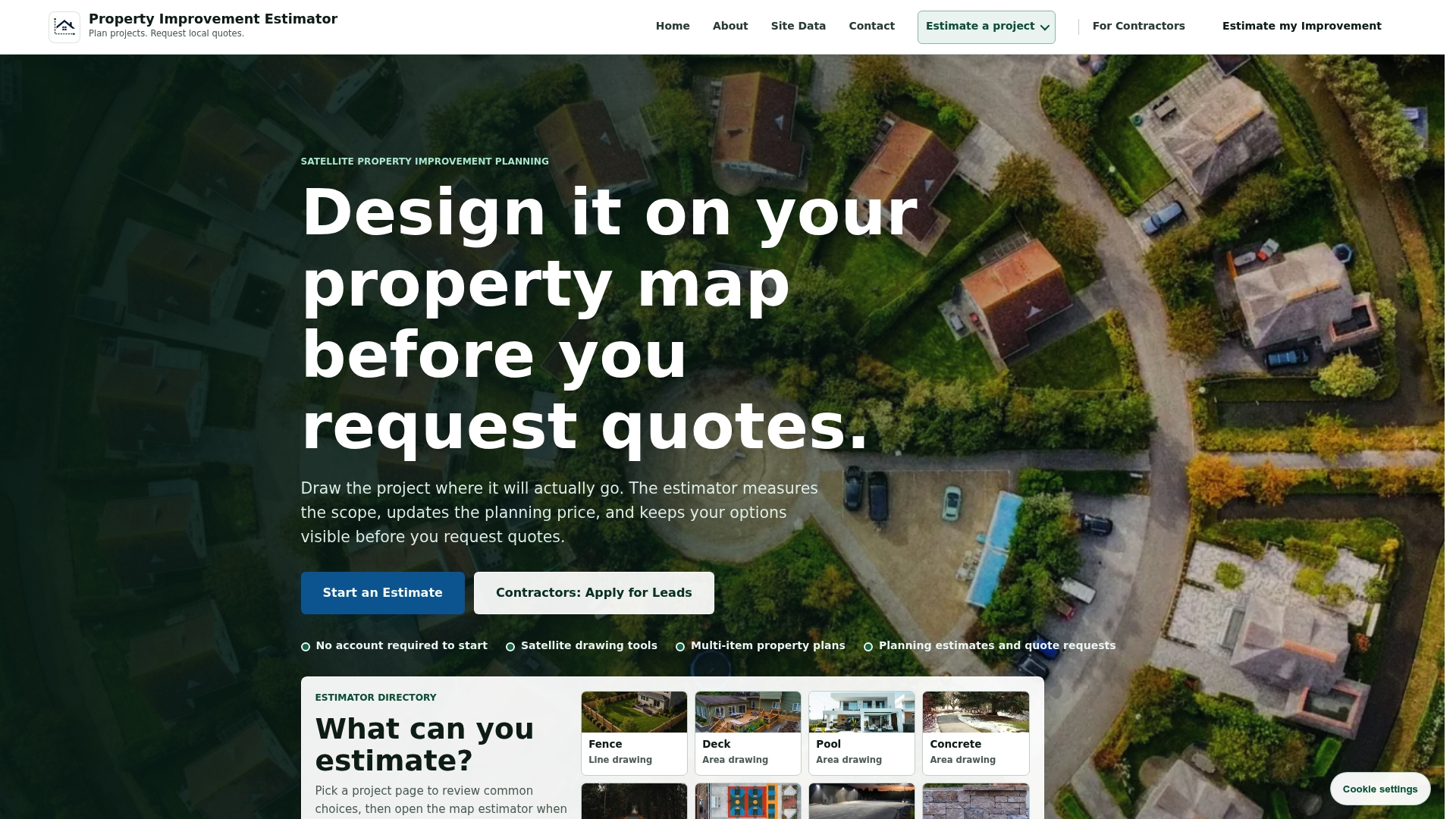
The process takes three steps. Draw your planned extension directly on the satellite map of your property, choose your material and thickness, and download a scope packet with dimensions, quantities, and photos ready to send to contractors. Because every bidder is working from the same detailed scope, you get quotes you can actually compare line by line instead of reconciling three different sets of assumptions.
That dimensional accuracy is what separates a fast, comparable bidding process from weeks of back-and-forth clarifying calls. If you’re ready to turn your rough budget into real numbers, start your driveway extension estimate and see what your specific project actually costs before you request a single quote.
Sources
- How Much Does a Driveway Cost? (HomeGuide)
- How Much Does a Driveway Extension Cost? 2026 Data | Angi
- Cost to install a concrete driveway - HomeWyse
Recommended
- Asphalt Material Cost Calculator | Asphalt Depth, Base, Overlay, Sealcoating, and Local Factors
- Asphalt Cost Calculator | Estimate Driveways, Overlays, Sealcoating, and Local Costs
- Asphalt Permit Cost Calculator | Driveways, Parking, Drainage, Right-of-Way, and Local Review
- Vinyl privacy Fence Cost and Planning Guide | Property Improvement Estimator