Cost to Replace a Concrete Patio in 2026

Replacing a concrete patio is a significant home improvement project that can dramatically enhance your outdoor living space, increase property value, and improve functionality. Whether your existing patio is cracked, stained, or simply outdated, understanding the costs involved helps you budget effectively and make informed decisions about your property improvement project.
The average cost to replace a concrete patio in 2026 ranges from $6 to $25 per square foot, with most homeowners spending between $2,400 and $10,000 for a standard 400-square-foot patio. These costs include demolition and removal of the old concrete, site preparation, and installation of new concrete. The final price depends on multiple factors including patio size, concrete type, design complexity, and regional labor rates.
Breakdown of Concrete Patio Replacement Costs
Understanding where your money goes during a concrete patio replacement helps you anticipate expenses and identify potential areas for cost savings. The replacement process involves several distinct phases, each with its own cost considerations.

Demolition and removal costs typically range from $2 to $6 per square foot. This phase includes breaking up the existing concrete, hauling away debris, and disposing of materials properly. Thick concrete slabs, reinforced concrete, or difficult-to-access locations increase demolition costs. Some contractors may charge a flat fee for small patios rather than by square footage.
Site preparation expenses add another $1 to $3 per square foot to your project budget. Proper preparation involves grading the area for drainage, compacting the soil base, and installing a gravel subbase. Sites with poor drainage or uneven terrain require additional work and higher costs. This step is critical for preventing future cracking and ensuring your new patio lasts for decades.
New concrete installation represents the largest portion of replacement costs, typically $4 to $8 per square foot for basic gray concrete. This includes the concrete materials, labor for pouring and finishing, and basic curing processes. Standard 4-inch-thick slabs work well for most residential patios, but areas expecting heavy furniture or features may need 5-inch or 6-inch thickness.
Finishing options significantly impact the final price. A basic broom finish adds minimal cost, while stamped concrete increases costs to $8 to $18 per square foot, decorative staining adds $2 to $4 per square foot, and exposed aggregate finishes range from $12 to $18 per square foot. These upgrades transform a plain concrete slab into an attractive outdoor feature.
Factors Affecting Replacement Costs
Several variables influence the total cost of replacing your concrete patio. Recognizing these factors helps you estimate costs more accurately and understand contractor quotes.
Patio size and shape directly affect both material and labor costs. Larger patios benefit from economies of scale, potentially reducing per-square-foot costs. Irregular shapes, curved edges, or multiple levels require additional formwork and labor, increasing expenses by 15 to 30 percent compared to simple rectangular designs.
Concrete type and quality varies considerably in price. Standard residential concrete mix costs less than high-strength mixes or specialty concrete designed for extreme weather conditions. Fiber-reinforced concrete, which offers better crack resistance, adds approximately $0.50 to $1 per square foot. Premium mixes with enhanced durability may cost 20 to 40 percent more but offer longer service life.
Design complexity and customization dramatically affect project costs. Basic single-pour slabs represent the most economical option. Adding borders with contrasting colors increases costs by $3 to $8 per linear foot. Multiple color schemes, custom stamping patterns, or scoring designs to create tile or stone effects add both material and labor expenses.
Geographic location and accessibility play crucial roles in pricing. Urban areas with higher labor costs see prices 20 to 50 percent above rural regions. Sites requiring special equipment access, steep slopes, or limited workspace increase labor time and equipment needs. Regions with harsh winters may need deeper bases and special concrete mixes, adding 10 to 25 percent to costs.
Permits and inspections add administrative costs ranging from $100 to $500 depending on local requirements. Most municipalities require permits for patio replacements, particularly for large areas or structural changes. Building department review timelines also affect project scheduling and potentially extend contractor commitment periods.
Comparing Concrete to Alternative Patio Materials
While planning your patio replacement, consider how concrete compares to other popular materials in terms of cost, maintenance, and longevity.
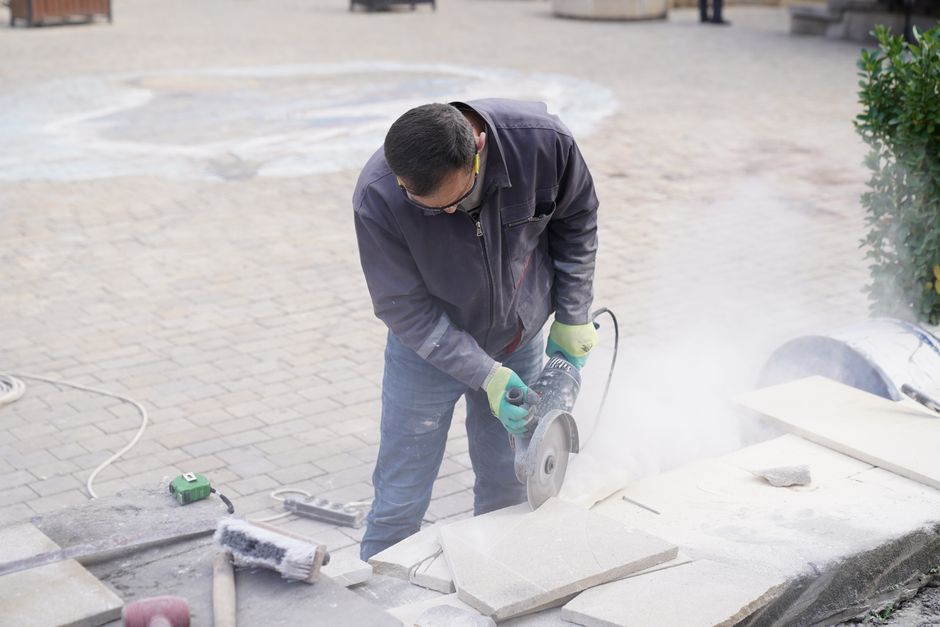
Pavers offer an attractive alternative with installation costs ranging from $10 to $25 per square foot. Pavers provide easier repairs since individual units can be replaced, and they offer numerous design possibilities. However, initial costs exceed basic concrete by 50 to 100 percent. Maintenance includes periodic sand replacement and weed control between pavers.
Natural stone creates elegant outdoor spaces but comes at premium prices of $15 to $30 per square foot installed. Materials like flagstone, slate, or bluestone offer unique appearance and excellent durability. The higher investment pays off through distinctive aesthetics and potential property value increases, though installation requires skilled labor and takes longer than concrete pours.
Porcelain or ceramic tile costs $8 to $20 per square foot and works well for covered patios in moderate climates. Tile offers unlimited design options but requires proper substrate preparation and may crack in freeze-thaw cycles. Installation complexity means higher labor costs compared to concrete, and tile repairs can be more challenging if individual pieces crack or break.
Wood or composite decking ranges from $15 to $35 per square foot for materials and installation. Decks work well for uneven terrain and provide a warmer aesthetic. However, they require more maintenance than concrete, need periodic staining or sealing, and typically last 15 to 25 years compared to concrete's 30 to 50-year lifespan with proper care.
Concrete remains a cost-effective choice offering excellent durability, minimal maintenance requirements, and substantial design flexibility through modern finishing techniques. The lower installation costs and long service life make concrete particularly attractive for budget-conscious homeowners seeking lasting results.
Ways to Reduce Replacement Costs
Strategic planning and smart decision-making can significantly reduce your concrete patio replacement costs without compromising quality or longevity.
Timing your project strategically helps secure better rates. Contractors often offer discounts during slower seasons, typically late fall through early spring in most regions. Booking projects during off-peak times may save 10 to 20 percent on labor costs. However, avoid scheduling concrete work during extreme cold or rainy periods that compromise quality.
Handling demolition yourself eliminates $800 to $2,400 from professional quotes for a typical 400-square-foot patio. Renting a jackhammer costs $50 to $100 per day, and disposal fees run $100 to $300 depending on concrete volume and local dump rates. This option works best for homeowners with adequate time, physical ability, and proper safety equipment.
Simplifying design elements substantially reduces costs while still providing attractive results. A well-executed basic finish with quality concrete often looks better than poorly executed decorative work. Consider limiting stamping or staining to borders or accent areas rather than the entire surface. Simple scored patterns create visual interest at minimal additional cost.
Optimizing size and shape keeps costs down through straightforward installation. Rectangular or square patios require less labor for forming and finishing compared to curved or irregular shapes. Sizing your patio to minimize concrete waste also helps; concrete is typically ordered in cubic yards, so odd dimensions may require purchasing excess material.
Bundling multiple projects with the same contractor often yields discounts. If you need sidewalk repairs, driveway work, or other concrete projects, scheduling them together saves on mobilization costs and may qualify you for volume pricing on materials. Contractors appreciate larger jobs and often provide better per-square-foot rates.
Getting multiple detailed quotes remains essential for cost comparison. Request at least three estimates from licensed, insured contractors with solid references. Ensure quotes include all project phases: demolition, disposal, site preparation, concrete installation, finishing, and cleanup. The lowest bid isn't always the best value; consider reputation, timeline, and warranty coverage.
Long-Term Cost Considerations
While initial replacement costs matter, understanding long-term expenses provides a complete financial picture of your concrete patio investment.
Maintenance costs for concrete patios remain minimal compared to most alternatives. Annual cleaning costs $100 to $200 if professionally done, though most homeowners handle this themselves with a pressure washer. Resealing every 2 to 3 years costs $1 to $2 per square foot and protects against stains and weather damage. Total maintenance over 20 years typically runs $1,500 to $3,000, far less than wood decks or pavers.
Repair expenses should be anticipated even with proper installation. Minor crack filling costs $300 to $800 per repair visit. Resurfacing a worn patio costs $3 to $10 per square foot and extends life by 10 to 15 years. Significant structural issues requiring mudjacking or full replacement sections range from $500 to $2,000 depending on extent and location.
Energy and environmental considerations increasingly matter to homeowners in 2026. Lighter-colored concrete reflects heat and keeps adjacent indoor spaces cooler, potentially reducing air conditioning costs. Pervious concrete, though more expensive initially at $8 to $15 per square foot, manages stormwater runoff and may reduce drainage system needs. These eco-friendly options align with growing environmental awareness and may increase property appeal.
Property value impact justifies replacement costs for many homeowners. A well-designed, properly installed concrete patio typically returns 50 to 80 percent of its cost in increased property value. An attractive outdoor living space appeals to buyers and differentiates your property in competitive markets. Quality outdoor areas also enhance enjoyment during ownership, providing valuable lifestyle benefits beyond pure financial returns.
According to research from institutions like the American College of Sports Medicine, well-designed outdoor spaces encourage physical activity and improve overall wellness, adding health benefits to the financial considerations of patio improvements.
Planning Your Patio Replacement Project
Successful concrete patio replacement requires careful planning beyond cost estimation. Following a structured approach ensures satisfactory results and minimizes unexpected expenses.
Start with accurate measurements and design visualization. Modern planning tools allow you to design your patio directly on your property map, helping you determine the optimal size, shape, and location before requesting quotes. This preparation helps contractors provide more accurate estimates and reduces the likelihood of expensive changes during construction. Visualizing your project in advance ensures the final result meets your expectations and functions well for your intended uses.
Verify contractor credentials thoroughly. Check licensing status with your state contractor board, confirm adequate liability and workers' compensation insurance, and review recent customer references. Online reviews provide insights but should be balanced with direct reference checks. Established contractors with long local track records typically deliver more reliable results than new operations, even if prices run slightly higher.
Understand contract terms completely before signing. Ensure written agreements specify concrete specifications including thickness and strength, detailed scope covering all replacement phases, clear payment schedule tied to project milestones, expected timeline with allowances for weather delays, and warranty terms for both materials and workmanship. Never pay the full amount upfront; typical payment structures include 10 to 25 percent deposit, progress payments, and final payment upon satisfactory completion.
Prepare your property for construction. Clear furniture and decorations from the work area, ensure contractor access to water and electricity, mark underground utilities through your local notification service, and communicate with neighbors about temporary disruption. Proper preparation prevents delays and additional costs while maintaining good relationships with those around you.
Plan for weather contingencies. Concrete installation requires specific temperature and moisture conditions. Hot weather accelerates curing and may require special measures, while cold temperatures necessitate heating blankets and extended cure times. Rain can ruin fresh concrete, so flexible scheduling proves essential. Building extra time into your project timeline prevents frustration and rushed work.
Conclusion
Replacing a concrete patio represents a significant investment that enhances your property's functionality, appearance, and value. With costs typically ranging from $2,400 to $10,000 for standard residential projects, proper planning and informed decision-making ensure you receive quality results within budget. The replacement process involves demolition, site preparation, and new concrete installation, with numerous options for customization through finishing techniques.
Success depends on understanding the factors that influence costs, comparing concrete advantages against alternative materials, and working with qualified contractors who provide detailed, transparent quotes. While initial replacement costs matter, considering long-term maintenance expenses, durability, and property value impact provides a complete perspective on your investment. With minimal ongoing maintenance requirements and service life exceeding 30 years, quality concrete patios deliver excellent value.
Modern planning tools make it easier than ever to visualize your project, calculate accurate dimensions, and obtain realistic cost estimates before committing to construction. Taking time to design thoughtfully, obtain multiple quotes, and select the right contractor ensures your new concrete patio will provide decades of enjoyment and outdoor living space for your home. For more detailed comparisons on patio types, you might also want to check out our guide on Concrete Patio vs Paver Patio Cost.