Choosing the Right Fence for Your Property

Selecting the perfect fence for your property is a significant decision that impacts curb appeal, security, privacy, and long-term maintenance costs. With numerous fencing materials, styles, and heights available in 2026, homeowners need to weigh multiple factors before making this important investment. Whether you're establishing boundaries, protecting children and pets, or enhancing your home's aesthetic, understanding your options will help you make an informed choice that serves your needs for years to come.
Assessing Your Fencing Needs and Goals
Before exploring materials and styles, identify your primary objectives for installing a fence. Different purposes require different solutions, and understanding your priorities will narrow your options significantly.

Privacy is the most common reason homeowners install fences. If blocking sightlines from neighbors or the street is your goal, you'll want solid panels or tightly spaced pickets that reach at least six feet high. Privacy fences create secluded outdoor spaces perfect for entertaining, relaxing, or letting children play without feeling exposed.
Security and containment require sturdy construction and appropriate height. Families with dogs need fences tall enough to prevent jumping and secure enough to prevent digging underneath. For pools, many municipalities require specific fencing standards with self-closing gates to prevent accidents.
Aesthetic enhancement focuses on complementing your home's architecture and landscaping. Decorative fences often prioritize appearance over complete privacy, using open designs that define boundaries without creating visual barriers.
Property line definition establishes clear boundaries between properties without necessarily blocking views. These fences tend to be shorter and more open than privacy or security fences.
Budget considerations also play a crucial role. Installation costs vary dramatically by material, with some options requiring significantly higher upfront investment but lower maintenance over time.
Popular Fencing Materials and Their Characteristics
The material you choose determines your fence's durability, maintenance requirements, and overall appearance. Each option offers distinct advantages and limitations worth considering.

Wood fencing remains a classic choice for its natural beauty and versatility. Cedar and redwood resist rot and insects naturally, while pressure-treated pine offers affordability. Wood fences can be painted or stained to match your home and are easily customized in height and style. However, wood requires regular maintenance including staining or sealing every few years to prevent weathering, warping, and deterioration. Expect a lifespan of 15-20 years with proper care.
Vinyl fencing has become increasingly popular for its low maintenance requirements and longevity. Modern vinyl fences resist fading, cracking, and yellowing much better than earlier versions. They never need painting and clean easily with soap and water. Vinyl works well for privacy fences and decorative styles, though options are somewhat limited compared to wood. The material can become brittle in extreme cold and may not suit all architectural styles, but its 20-30 year lifespan with minimal maintenance appeals to many homeowners.
Aluminum fencing provides an elegant, low-maintenance option that won't rust. It works beautifully for decorative applications and pool enclosures, offering an upscale appearance similar to wrought iron at a lower price point. Aluminum fences are lightweight yet durable, though they don't provide privacy due to their open design. They're ideal when you need security without blocking views.
Chain link fencing offers the most affordable option for large areas. While not aesthetically impressive, chain link effectively contains pets and marks property boundaries. Modern options include vinyl coating in various colors that improves appearance while protecting the metal. Privacy slats can be woven through chain link to block views. This practical choice excels in functionality and longevity, lasting 15-20 years with minimal maintenance.
Composite fencing combines wood fibers and plastic polymers to create materials that look like wood but resist rot, insects, and fading. Composite requires virtually no maintenance while offering the natural appearance many homeowners prefer. Though more expensive initially, the elimination of ongoing maintenance costs makes composite increasingly attractive.
Wrought iron and steel fencing provides maximum security and dramatic visual impact. These metals are incredibly strong and long-lasting but require periodic maintenance to prevent rust. Custom ornamental designs create impressive statements, though professional installation is typically necessary due to the weight and complexity.
Planning Your Fence Design and Layout
Proper planning prevents costly mistakes and ensures your fence meets both practical needs and local requirements. Start by checking regulations before finalizing any design decisions.
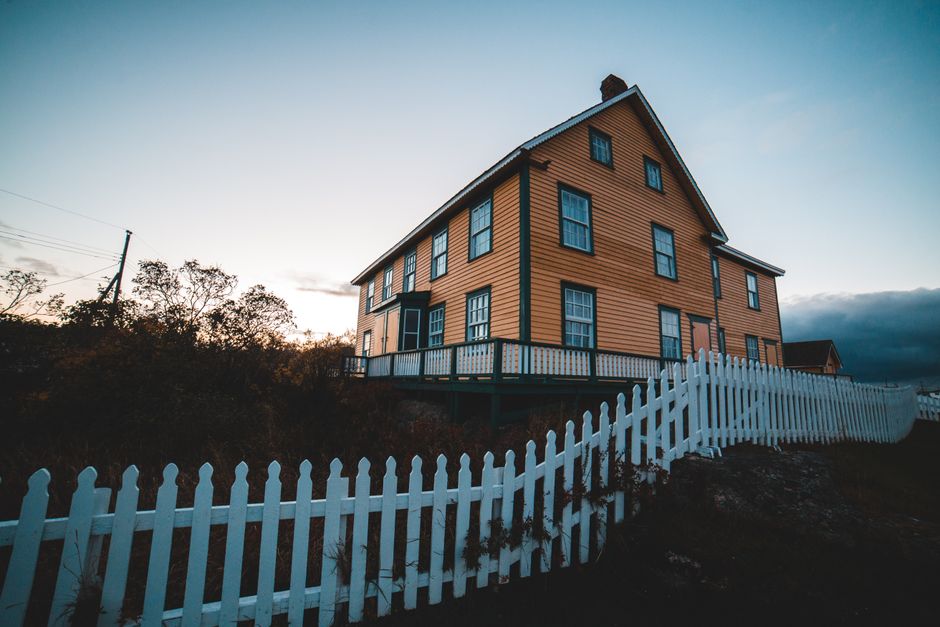
Local codes and HOA restrictions often dictate fence height, materials, setbacks from property lines, and appearance. Most municipalities limit front yard fences to 3-4 feet while allowing 6-8 feet in backyards. Homeowners associations may restrict colors, materials, or styles. Contact your local building department and review HOA covenants before purchasing materials.
Property surveys are essential for placing fences on property lines. Installing a fence on a neighbor's property creates legal complications and may require removal. Professional surveys cost several hundred dollars but prevent disputes and ensure compliance.
Utility locations must be identified before digging post holes. Underground electric, gas, water, and communication lines run through many properties. Call 811 or your local utility marking service several days before beginning work to have lines marked for free.
Terrain challenges affect fence installation complexity and cost. Slopes require stepped or racked fence designs. Rocky soil complicates post installation. Existing trees, gardens, and structures may require adjustments to your ideal fence line.
Gate placement and access deserve careful consideration. Include gates wide enough for lawn equipment, with additional access points if your yard is large. Consider gate swing direction, locking mechanisms, and visibility needs for safety.
Modern planning tools make visualizing your fence project easier than ever. Digital platforms allow you to map fence lines directly on your property, experiment with different materials and styles, and calculate project scope before requesting quotes from contractors. This approach helps ensure you've considered all factors and can communicate your vision clearly to professionals. For more help with project planning, explore our detailed guides.
Cost Considerations and Budgeting
Fencing costs vary widely based on material, height, length, and installation complexity. Understanding the full financial picture helps you set realistic expectations and make value-driven decisions.
Material costs per linear foot range from approximately $3-8 for chain link, $15-30 for wood, $20-40 for vinyl, $25-40 for aluminum, $30-50 for composite, and $50-100+ for wrought iron. These figures represent mid-grade materials and fluctuate based on quality and regional availability.
Labor costs typically equal or exceed material expenses. Professional installation ensures proper post setting, level panels, and compliant construction. DIY installation can reduce costs significantly but requires tools, skills, and considerable time. Complex projects involving slopes, rocky soil, or decorative elements justify professional expertise.
Long-term maintenance expenses should factor into your decision. Wood fences requiring biennial staining may ultimately cost more than higher-priced vinyl or composite options that need only occasional cleaning. Calculate maintenance over your expected ownership period for accurate comparison.
Additional features like gates, decorative caps, lighting, and upgraded hardware add to total costs. Standard walk gates cost $150-400, while double drive gates range from $400-1200. High-quality hinges, latches, and locks increase initial expense but improve functionality and longevity.
As you develop your budget, build in a 10-15% contingency for unexpected issues like underground obstacles, additional posts for stability, or necessary permits. Requesting multiple quotes from reputable contractors provides realistic pricing for your specific project and helps identify competitive rates. Learn how to get accurate project estimates for any home improvement.
Making Your Final Decision
With research complete and priorities established, synthesize information to select the fence that best balances your needs, preferences, and budget. Consider creating a weighted decision matrix ranking factors like cost, maintenance, privacy, appearance, and longevity according to your priorities.
Match materials to purpose. Privacy demands solid panels in wood, vinyl, or composite. Security may require metal or tall wood. Decorative boundaries work well with aluminum or open wood designs. Pool enclosures need specific materials meeting safety codes.
Coordinate with existing features. Your fence should complement your home's architectural style, color palette, and existing hardscaping. Traditional homes pair well with wood or wrought iron, while contemporary designs may suit composite or aluminum better.
Consider neighbor relations. Discuss plans with adjacent property owners before installation. Many communities require the finished side of privacy fences to face outward, and maintaining good relationships matters more than most realize. Some homeowners split fence costs with neighbors when the structure benefits both properties.
Think long-term. A fence installed in 2026 should serve your needs for decades. Consider how your lifestyle might evolve and whether the fence accommodates future changes. Durability and timeless style often prove more valuable than trendy designs or the cheapest available option.
Verify contractor credentials. Research licensing, insurance, and references thoroughly. Quality installation dramatically affects fence longevity and performance. Look for contractors with extensive experience in your chosen material and positive customer feedback. Utilize virtual property design tools for homeowners to visualize your fence project before committing.
Conclusion
Choosing the right fence for your property requires balancing aesthetic preferences, functional needs, budget constraints, and maintenance willingness. By thoroughly assessing your priorities, understanding material characteristics, planning carefully, and budgeting realistically, you'll select a fence that enhances your property for years to come. Taking time to visualize designs, compare options, and consult with professionals ensures your investment delivers the privacy, security, beauty, or boundary definition you need. Whether you prioritize low maintenance, natural beauty, maximum security, or cost-effectiveness, the perfect fencing solution exists for your unique situation. Start your project with clear goals and thorough research, and you'll enjoy the results every time you pull into your driveway.