Chain Link Fences in Lockhart: a Planning Guide

Chain link fencing is one of the most practical and widely used boundary solutions for residential and commercial properties, and it remains a popular choice for property owners in Lockhart and across Central Texas in 2026. Whether you are enclosing a backyard for pets, securing a rental property, defining a sports area, or protecting a commercial lot, understanding how chain link fencing works — its materials, installation considerations, costs, and local planning factors — will help you make a confident decision before you request contractor quotes.
This guide explains the components of a chain link fence, the factors that affect its cost in the Lockhart area, how to plan a fence project on your property, and how an online property planning tool can help you scope the work before you talk to installers. For a broader look at how to approach a local fence project from start to finish, see this Chain Link Fences Fairview Shores: a Planning Guide.
What Is a Chain Link Fence?
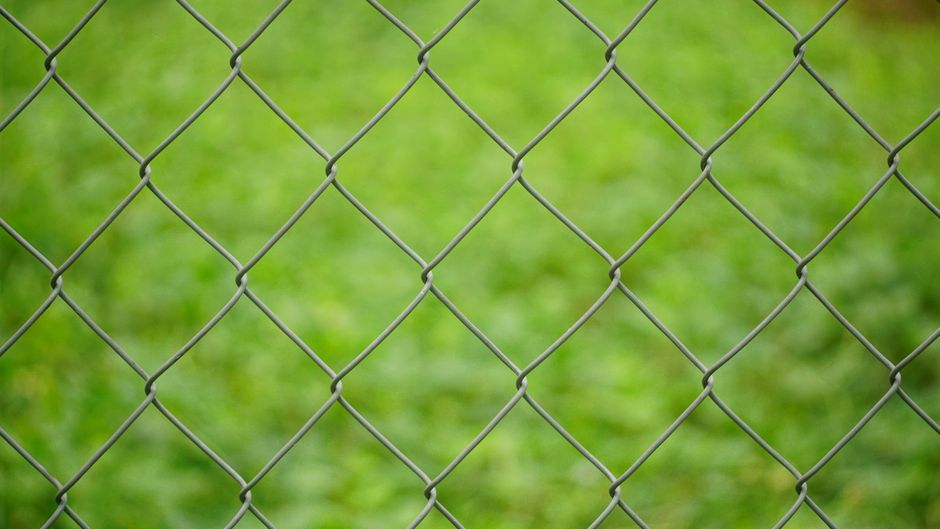
A chain link fence is a woven wire fence made from steel wire that is bent and interlocked to form a diamond pattern. The mesh is stretched between vertical posts and supported by horizontal rails and a tension wire or top rail. The wire is typically galvanized for corrosion resistance or coated with vinyl in colors such as black, green, or brown for a more finished appearance.

Chain link fences are valued for several reasons:
- Durability: Galvanized steel withstands weather well, and vinyl-coated options extend service life and improve appearance.
- Cost efficiency: Chain link is generally one of the most affordable fencing materials per linear foot.
- Low maintenance: Unlike wood, chain link does not require staining, sealing, or repainting.
- Visibility: The open mesh maintains sightlines while still defining boundaries and providing security.
- Versatility: It works for residential yards, commercial perimeters, sports courts, dog runs, and temporary enclosures.
Chain link is also highly customizable. Property owners can choose post heights, gauge (wire thickness), mesh size, coatings, gate styles, and optional privacy slats or windscreens. Understanding these options is the first step toward a fence that meets your needs without overbuilding or overspending.
Key Components and Material Choices
A chain link fence system is more than just mesh. Each component affects strength, appearance, and cost. When planning a project in Lockhart, consider the following:
Posts and Rails
Posts are typically round steel pipes set in concrete footings. Terminal posts (corner, end, and gate posts) are larger in diameter than line posts because they bear more tension. Top rails and tension bars hold the mesh taut. In areas with expansive clay soils or occasional high winds, proper post depth and concrete setting are especially important — much like the footing considerations covered in this guide to Concrete Work in Campton Hills, Il.
Wire Gauge and Mesh Size
Wire gauge describes the thickness of the chain link wire — a lower number means thicker wire. Common residential gauges include 11.5 and 12.5, while heavier gauges are used for commercial or high-security applications. Mesh size refers to the diamond opening; smaller openings provide more security and are common for pet enclosures and sports applications.
Coatings and Finish
Galvanized chain link is the standard, economical choice. Vinyl-coated chain link costs more but offers a softer look, color options, and additional protection against moisture. In Central Texas, both options perform well when installed correctly, though vinyl coating can help extend the life of the fence in humid conditions.
Gates and Accessories
Gate placement and width should be planned early, especially for driveways, side yards, and equipment access. Accessories such as privacy slats, windscreens, tension wires, and barbed wire arms (where permitted) can tailor the fence to your goals.
Planning a Chain Link Fence Project in Lockhart
Before requesting quotes, it helps to define the scope of your project clearly. A well-planned fence project reduces surprises and helps contractors provide accurate estimates. Consider these planning steps:

- Define the purpose. Is the fence for privacy, security, pet containment, property boundaries, or a sports area? The purpose influences height, gauge, and accessories.
- Map the fence line. Measure the perimeter and identify corners, gates, and any obstacles such as trees, utilities, or slopes.
- Check property lines and local rules. Confirm your boundary lines and review any local fencing ordinances, homeowners association rules, or permit requirements that apply to your property. A Boundary Survey on Hutchinson Island South explains how a survey can clarify property lines before you build.
- Choose height and style. Residential fences are commonly 4 to 6 feet tall, while commercial or security fences may be taller. Decide on coating color and gate configuration.
- Estimate a planning price range. Use a professional estimating tool to calculate project scope and obtain a planning price range based on your specific design.
- Request local quotes. Share your design and measurements with local contractors to obtain competitive bids.
Planning tools that let you draw your project directly on a property map can be especially useful for fences because they help you visualize the fence line, count corners and gates, and estimate linear footage accurately. This reduces the risk of underestimating materials and helps contractors understand your vision quickly.
Cost Factors for Chain Link Fencing
Chain link fence costs vary based on several factors. Rather than relying on a single national average, property owners should consider how each variable applies to their specific property in Lockhart:
- Total linear footage: The perimeter length is the largest driver of material and labor costs.
- Fence height: Taller fences require more material, larger posts, and more labor.
- Wire gauge and coating: Heavier gauge wire and vinyl coatings increase costs.
- Terrain and soil conditions: Slopes, rocky ground, and expansive clay soils can require additional site work or deeper footings.
- Gates: Each gate adds hardware and installation labor; wide or automated gates cost more.
- Accessories: Privacy slats, windscreens, and tension wires add to the total.
- Removal of an existing fence: Tearing out an old fence adds labor and disposal costs.
- Permits and inspections: Local requirements may add fees or design constraints.
Because these variables interact, the most reliable way to budget is to define your design first and then obtain a planning price range based on that design. An online estimating tool that uses your actual property map can help you calculate scope — such as linear footage, gate count, and height — and produce a planning price range to guide your conversations with contractors.
Installation Considerations and Local Conditions
Lockhart and the surrounding Central Texas region present specific conditions that affect fence installation. Understanding these factors helps you ask the right questions and evaluate contractor recommendations.
Soil and Footings
Expansive clay soils are common in parts of Central Texas. These soils swell when wet and shrink when dry, which can shift posts over time. Proper footing depth, concrete setting, and post spacing are essential for long-term stability. Contractors familiar with local soils will know how to adjust installation methods accordingly. For a comparable example of how concrete pricing and planning work, see this Boles Concrete: Planning and Cost Guide.
Wind and Weather
High winds and occasional severe storms can stress a fence. Terminal posts, tension bars, and proper bracing at corners and gates help the fence withstand wind loads. For taller or more exposed fences, additional bracing may be recommended.
Sun Exposure and Material Life
Texas summers are intense. Galvanized steel performs well in heat, and vinyl coatings can help protect the wire and reduce the visual impact of the fence. Regular inspection of tension and post stability after storm events is a simple maintenance practice.
Drainage and Grade
Fence lines that cross drainage swales or slopes must be planned so the fence follows the grade without creating gaps underneath. Contractors may use stepped mesh or racked panels to follow terrain.
For property owners planning active outdoor spaces, it is also worth coordinating fencing with other improvements such as sport courts, lighting, decks, or retaining walls. For example, the American College of Sports Medicine provides resources on physical activity and facility planning that can inform how you design active outdoor spaces, including courts and play areas that often require fencing.
How Online Property Planning Tools Help
Modern online planning tools allow property owners to design outdoor improvement projects directly on a property map. This approach is particularly useful for fencing because it connects the design to the actual geometry of the property. With a map-based estimator, you can:
- Draw the fence line along property boundaries, structures, and landscape features.
- Identify corners, gates, and obstacles that affect material counts.
- Choose fence height, material, and accessories to match your goals.
- Calculate project scope, including linear footage and gate count.
- Obtain a planning price range for your specific design.
- Request local quotes based on the design you created.
This workflow benefits both homeowners and contractors. Homeowners gain clarity and confidence before committing to a project, while contractors receive detailed designs that make it easier to prepare accurate bids. The result is a more efficient planning process with fewer assumptions and a clearer basis for comparison among quotes.
When using any online planning tool, remember that the output is a planning estimate, not a guaranteed price. Final costs depend on site conditions, material availability, labor rates, and the contractor's professional assessment. Use the planning range as a budget guide and confirm details with local professionals.
Maintenance and Long-Term Value
A properly installed chain link fence requires minimal maintenance, but a few simple practices extend its service life:
- Inspect posts and tension after storms and tighten hardware as needed.
- Remove debris and vegetation that can trap moisture against the fence.
- Touch up vinyl coatings or galvanized surfaces if damaged.
- Check gates for sagging and adjust hinges and latches.
- Look for signs of soil erosion around footings and backfill as needed.
Chain link fencing offers a strong balance of affordability, durability, and versatility. For property owners in Lockhart planning a fence in 2026, the key to a successful project is thoughtful planning: define your purpose, map your fence line, understand the cost factors, and obtain quotes based on a clear design. A map-based estimating tool can streamline this process by helping you calculate scope and planning price ranges before you contact contractors.
Conclusion
Chain link fencing remains a practical, cost-effective choice for residential and commercial properties in Lockhart. By understanding the components, material choices, cost factors, and local installation considerations, you can plan a fence that meets your needs and stays within budget. Start by defining your project's purpose and mapping your fence line, then use an online property improvement estimator to calculate your scope and obtain a planning price range. With a clear design in hand, you can request local quotes with confidence and move forward with a fence project that adds security, function, and long-term value to your property.