Blacktop Paving in Somerset: a Planning Guide

Blacktop paving—also called asphalt paving—is one of the most common surfaces for driveways, parking areas, private lanes, and sport courts on residential and commercial properties. For property owners in Somerset planning an outdoor improvement, understanding how blacktop paving somersetin projects are scoped, priced, and scheduled makes it far easier to compare contractor quotes and avoid costly surprises. This guide explains the components of a blacktop project, the factors that influence cost, and how to plan before you hire.
What "Blacktop" Actually Means
Blacktop is a generic term for asphalt concrete: a mixture of aggregate (crushed stone, gravel, and sand) bound together with bitumen, a sticky black binder derived from petroleum. When laid hot and compacted, the mixture forms a durable, slightly flexible surface that handles vehicle loads well and sheds water when properly graded.
Asphalt is not the same as concrete, and the two behave differently. Asphalt flexes slightly under load, which suits it to freeze-thaw climates where rigid surfaces may crack. Concrete is harder and longer-lived in some applications but more prone to visible cracking and typically costs more up front. Many properties use asphalt for driveways and access routes, and concrete for pads, walkways, or patio areas.
Common residential and commercial applications
- Driveways and shared access lanes
- Parking lots and overflow parking areas
- Farm and equestrian access tracks
- Private roads and yard hardstanding
- Bases for sport courts such as tennis or basketball areas
The Anatomy of a Proper Blacktop Install
A lasting asphalt surface depends far more on what happens beneath it than on the black top layer itself. A typical installation follows a sequence:
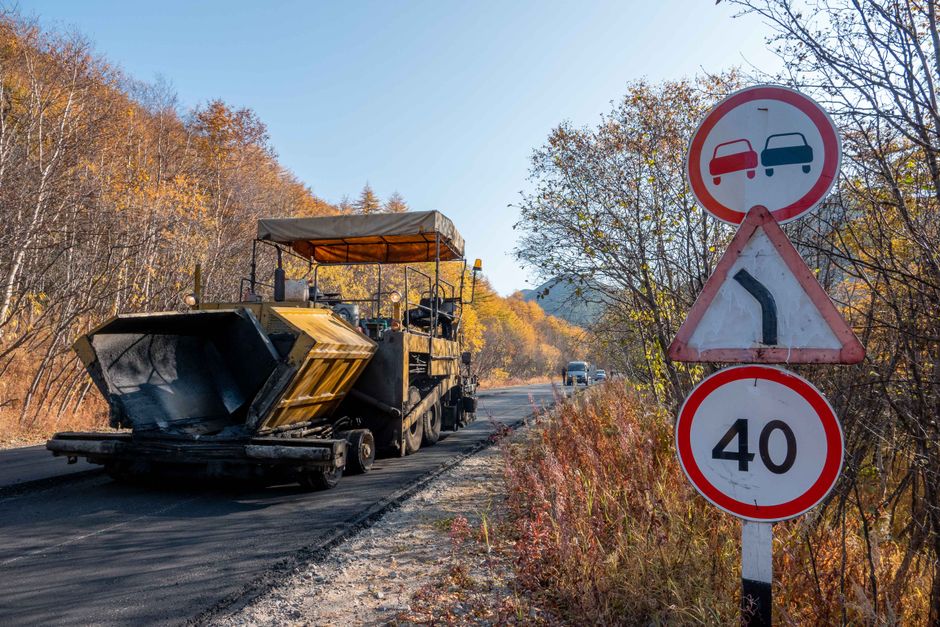
- Site assessment and layout. The contractor checks drainage, soil conditions, access for machinery, and any buried services. Boundaries and levels are marked out.
- Excavation. Topsoil and soft material are stripped to the required depth. The depth depends on expected traffic: a domestic driveway needs less than a commercial lot carrying heavy vehicles.
- Sub-base. A layer of compacted crushed stone—often called MOT Type 1 in the UK—provides structural strength and drainage. This layer is usually the thickest part of the build-up.
- Binder course. A coarser asphalt layer provides bulk strength and takes the main structural loads.
- Surface course. The final, finer asphalt layer gives the finished appearance and a smooth, water-shedding surface.
- Compaction and edges. Each layer is rolled or vibrated to the specified density. Edges are restrained with kerbs, edging, or haunching so the surface does not spread.
- Curing and sealing. Fresh asphalt needs time to cool and harden. A protective seal coat is sometimes applied later to extend service life.
Each of these stages has a cost, and quotes that omit excavation, sub-base, or drainage work are usually not comparable to quotes that include them. Asking for a line-by-line breakdown is one of the simplest ways to compare bids fairly.
Why Drainage and Grading Matter in Somerset
Somerset's climate brings regular rainfall and, in some areas, high water tables or heavy clay soils. Water is the single biggest enemy of an asphalt surface: if it pools or seeps into the sub-base, it weakens the structure and accelerates rutting, potholes, and edge crumbling.
Good practice includes:
- A finished surface with a slight fall (typically around 1:60 to 1:80 for driveways) away from buildings and toward a drainage point.
- French drains, soakaways, or channel drains where the ground cannot absorb runoff.
- Avoiding discharge of surface water onto neighbouring land or the public highway, which may require permission.
- Considering permeable asphalt systems where planning rules or local conditions call for them.
Property owners should discuss drainage explicitly at the quotation stage—it is much cheaper to design in than to retrofit.
What Influences the Cost of Blacktop Paving
Asphalt pricing varies enormously from one project to the next, which is why generic per-square-metre figures are only a starting point. The main cost drivers are:
1. Area and shape
Larger areas usually cost less per square metre because setup, machinery mobilization, and labour are spread over more surface. Complex shapes, tight corners, and small patches cost relatively more per square metre.
2. Ground conditions and excavation
Soft ground, rock, tree roots, or a high water table can increase excavation and sub-base costs. Sites with poor access for delivery lorries or rollers may require smaller equipment and more labour time.
3. Specification
Thicker sub-base, higher-grade asphalt, coloured or porous surface courses, and extra drainage all add to the price. A driveway built for cars is specified differently from one carrying delivery vans or horseboxes.
4. Edging and finishing
Kerbs, block edging, ironwork adjustments (manholes, gullies), and line marking all contribute to the total.
5. Access, licensing, and disposal
Skip hire and disposal of excavated spoil, permits for working near the highway, and traffic management can add meaningful amounts on urban or roadside sites.
Planning tip: ask every contractor to quote against the same written specification—depth of sub-base, asphalt type, drainage, and edging—so the numbers you compare mean the same thing.
How to Plan Your Project Before Requesting Quotes
Accurate early planning reduces the risk of mispriced quotes and mid-project changes. A sensible sequence looks like this:
- Measure and map the area. Record the dimensions, shape, and any obstacles (trees, drains, utility covers). A map-based planning tool can help you sketch the layout on an aerial view of your property and calculate the area involved.
- Decide on use and traffic. Will the surface carry only cars, or also vans, trailers, or heavier vehicles? This drives the specification.
- Think about drainage. Note where water currently flows and where it should go.
- Check permissions. In the UK, replacing a front garden surface with impermeable paving can require planning permission in some circumstances, and works affecting the public highway need approval. Confirm requirements with your local planning authority.
- Build a budget range. Use planning-level cost estimates to understand the likely range before committing, then refine once you have contractor quotes.
- Request multiple quotes. Invite at least three contractors, share the same specification, and ask for references and proof of insurance.
For projects that include sport or recreation surfaces, organisations such as the American College of Sports Medicine publish guidance on physical activity and facility considerations that can inform how you design active-use areas. For UK-specific surfacing standards, trade bodies and the local authority are the best sources. Homeowners weighing up comparable surfacing projects often benefit from Asphalting Kellyville: a Homeowner's Guide, which walks through similar decisions step by step.
Maintenance and Lifespan
A well-built asphalt driveway typically lasts 15 to 25 years or more, depending on traffic, climate, and maintenance. Routine care is straightforward:
- Keep it clean. Sweep leaves and grit, and wash off spills before they soften the binder.
- Seal periodically. A seal coat every few years protects against UV and water ingress; follow the installer's advice on timing, as new asphalt should cure for several months first. For a detailed breakdown of the process, see Asphalt Sealcoating in Walbridge, Oh: What to Know.
- Treat cracks early. Small cracks can be filled cheaply; left alone, water gets in and the damage spreads.
- Avoid heavy point loads. Use boards under jacks or scaffold legs to spread weight.
- Watch the edges. Keep edging and drainage clear so the surface does not unravel from the sides.
Repair vs. replace
Localized potholes and cracks can often be patched or overlaid. Where the sub-base has failed or the surface is extensively cracked and rutted, full reconstruction is usually more economical in the long run than repeated repairs—an approach covered in Asphalt Repair in Skillman: a Homeowner's Guide.
Choosing a Contractor: Practical Checks
- Ask for a written, itemized quotation with a clear specification.
- Confirm insurance and, where applicable, trade accreditation.
- Request references and, ideally, visit a completed job.
- Check warranty terms—both for materials and workmanship.
- Be wary of large deposits; staged payments tied to milestones are common and fairer.
- Ensure the contract states start and finish dates, and what happens if weather delays work.
Asphalt cannot be laid in wet or freezing conditions, so scheduling in Somerset often means planning around the seasons. A contractor who explains weather contingencies up front is usually a good sign.
Conclusion
Blacktop paving is a proven, practical surface for driveways, parking areas, and access routes—but the quality of the result depends on preparation, drainage, and specification rather than the black top layer alone. By mapping your project, defining how the surface will be used, understanding the cost drivers, and requesting like-for-like quotes, you can plan with confidence and compare contractors on equal terms. Careful planning before you pick up the phone is the most reliable way to get a surface that performs for decades.