Birdsboro Borough: Outdoor Project Planning Guide

Birdsboro is a small borough in Berks County, Pennsylvania, set along the Schuylkill River roughly halfway between Reading and Pottstown. Incorporated in the late nineteenth century, it grew around iron-making and river industry before developing into a residential community that today blends older rowhouses and mill-era buildings with single-family homes and newer subdivisions. For anyone who owns property in the borough — or is considering buying — understanding local geography, housing stock, climate, and permit culture is the first step toward planning outdoor improvements that hold up over time.
Outdoor projects in this part of southeastern Pennsylvania face a particular combination of conditions: freeze-thaw winters, humid summers, mature tree canopy, and hillside lots that slope toward the river. That combination shapes everything from fence footings to pool placement to how a sport court should drain. This guide walks through the borough's context and then explains how to scope, budget, and sequence common outdoor improvements, including how digital planning tools can help homeowners move from idea to contractor quote.
Where Birdsboro Sits and Why Location Matters
Birdsboro occupies a stretch of northern Berks County where the Schuylkill River bends and the terrain rises into wooded hills. Nearby communities include Douglassville to the east, Gibraltar and Robeson Township to the west and south, and Exeter Township across the river. Major road access comes from Route 724, which runs through the borough along the river corridor, and from Route 422 just to the north, connecting residents to Reading, Pottstown, and the broader Philadelphia metro via Route 176 and Interstate 76.

That geography has practical consequences for property work. Lots near the river sit on flatter ground with higher water tables, which affects drainage, retaining walls, and the feasibility of in-ground pools. Lots on the hillsides above the borough often have significant grade changes, making retaining walls, stepped patios, and terraced landscaping more common — and more structurally demanding. Mature trees are abundant, which is beautiful but means shade, root systems, and leaf litter all influence where a deck, court, or driveway can realistically go.
The regional climate is a humid continental pattern: cold winters with repeated freeze-thaw cycles, warm humid summers, and reliable precipitation spread across the year. Frost depth in this part of Pennsylvania is commonly treated as roughly three feet for footing design, which is why fence posts, deck piers, and wall foundations must be set below the frost line to avoid heaving. Any outdoor structure planned for the borough should assume these seasonal stresses.
The Local Housing Stock and What It Means for Outdoor Work
Birdsboro's housing mix is diverse for a borough of its size. Older homes near the historic core often have narrow side yards, detached or attached garages reached by alleys, and small rear lots — conditions that reward careful space planning. Newer construction on the edges of the borough and in neighboring townships tends to have larger lots, often on sloped ground, which opens up possibilities for pools, sport courts, and larger decks but raises questions about stormwater and grading.
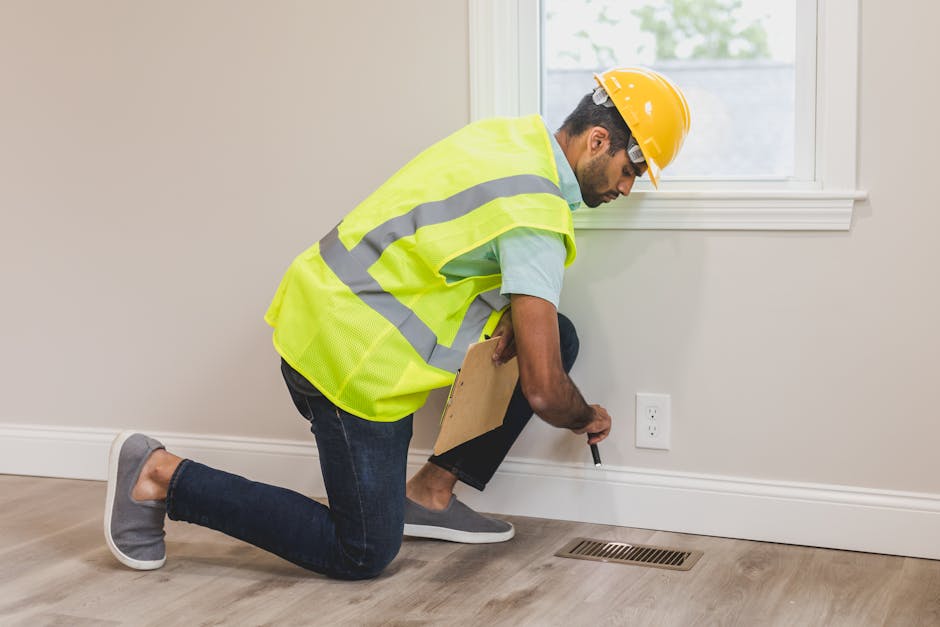
Two local realities shape most projects:
- Alley and easement access. Many older blocks were laid out with rear alleys and utility easements. Fences, sheds, and hardscape must respect those lines, and contractors need room to bring equipment in.
- Aging infrastructure. Driveways, walks, and retaining structures on older properties may already be settling or draining poorly. Improving outdoor space often begins with repairing or replacing what is there rather than adding to it.
Because the borough is a distinct municipality within Berks County, property owners should confirm local requirements directly with borough offices before construction. Zoning, setback rules, impervious surface limits, and permit thresholds vary by parcel and can change over time, so verifying current rules is always the responsible first move.
Planning Outdoor Improvements: A Practical Framework
Whether the project is a new deck, a concrete patio, a fence, landscape lighting, or something larger like a pool, the planning sequence is similar. A disciplined approach saves money and prevents mid-project surprises.

- Define the use case. Is the space for entertaining, for kids and sports, for pets, for privacy, or for curb appeal? The answer determines materials, size, and placement more than any other factor.
- Map the site. Note property lines, easements, existing utilities, slopes, trees, and drainage patterns. Overhead and underground utilities matter especially for lighting, fences, and anything requiring excavation.
- Estimate scope and rough cost. Get a planning-level price range before soliciting bids so you can compare quotes against a realistic baseline and decide what to phase.
- Check local requirements. Confirm permits, setbacks, and any homeowner association or historic-district considerations that apply to the parcel.
- Request multiple local quotes. Use the same design and scope for every bidder so proposals are comparable.
- Phase the work. Many homeowners complete hardscape first, then structures, then lighting and landscaping as budget allows.
Digital planning tools have made this process far more accessible. Platforms that let a homeowner draw a project directly on a property map — placing a court, driveway, fence line, or pool footprint to scale — can produce a scope and a planning price range in minutes, long before a contractor visit. That early clarity is valuable: it turns a vague wish list into a defined project that contractors can price accurately.
Common Outdoor Projects and Local Considerations
Decks and Patios
Decks remain one of the most popular improvements because they extend usable living space at moderate cost. In Birdsboro's climate, pressure-treated lumber and composite materials both perform well when properly detailed, but footings must extend below frost depth and framing must allow for seasonal movement. Patios in concrete, pavers, or natural stone suit the borough's older homes and require less maintenance than wood; the key is base preparation and slope away from the house, since poor drainage is the most common cause of patio failure in this region.
Fences and Privacy Screens
Fencing is often the fastest way to define a yard, contain pets, or screen a view. Local rules on height, setback from property lines, and placement relative to alleys and easements should be checked before ordering materials. In older neighborhoods, fences must also accommodate shared access and utility maintenance. Vinyl, wood, and aluminum all work; the choice usually comes down to maintenance preference and how the style fits the home's architecture.
Concrete and Asphalt Surfaces
Driveways, walkways, and parking pads are heavily used in a river town where many households have multiple vehicles. Asphalt is economical and repairable; concrete offers longevity and cleaner edges. In both cases, subgrade preparation and positive drainage decide how well the surface survives freeze-thaw cycles. Sealing and routine maintenance extend life considerably, and a solid Boles Concrete: Planning and Cost Guide can help homeowners compare surface options before committing.
Retaining Walls and Grading
Because so many lots in and around the borough have grade changes, retaining walls are common. Any wall holding back significant soil should be engineered rather than improvised, with drainage gravel, weep points, and proper footings. Walls also interact with stormwater rules, so confirming local requirements is essential before construction.
Pools and Sport Courts
In-ground pools and sport courts are the largest outdoor investments most homeowners make, and they demand the most careful siting. Sun exposure, access for excavation equipment, setback requirements, and safety considerations all play a role. Sport courts — basketball, pickleball, multi-use — are increasingly popular for families, and organizations such as the American College of Sports Medicine emphasize the value of accessible places for physical activity, which is one reason homeowners weigh court projects so carefully. Court orientation and surface drainage matter as much as dimensions, and planning the layout to scale before excavation avoids costly revisions.
Outdoor Lighting
Landscape and security lighting improves safety and extends evening use of outdoor space. Low-voltage LED systems are the modern default — efficient, durable, and easy to control. Lighting plans should be laid out alongside hardscape and planting plans, since trenching and conduit are far easier to install during construction than afterward.
Budgeting and Getting Competitive Quotes
Outdoor project costs in Berks County are driven by four variables: site access, material choice, site conditions (slope, drainage, utilities), and the amount of site preparation required. A flat, accessible lot with straightforward drainage costs far less to improve than a steep parcel with mature trees and buried utilities. For driveway and paving work in particular, a Blacktop Paving in Somerset: a Planning Guide offers a useful planning baseline before you seek local bids.
Planning-level price ranges are useful for setting expectations, but they are not bids. The most reliable way to budget is to define the design, then collect three or more quotes based on that same scope. Homeowners who arrive at a contractor conversation with a scaled drawing and a clear list of priorities consistently get faster, more accurate proposals than those who describe a project in general terms.
It also helps to think in phases. Many families complete a driveway or patio first, add a fence the following year, and finish with lighting and landscaping. Phasing spreads cost, but it requires that early work not foreclose later options — for example, running conduit for future lighting while the ground is open. A digital plan that shows the whole property at once makes phasing far easier to sequence correctly, much like the approach outlined in an Asphalt Repair in Skillman: a Homeowner's Guide for keeping surfaces serviceable over the long term.
Finally, verify contractor credentials. Pennsylvania requires registration for home improvement contractors, and reputable local firms carry insurance and can provide references from nearby projects. Comparing like-for-like proposals, rather than the lowest number alone, is the surest path to a good outcome.
Conclusion
Birdsboro is a river borough with a distinctive mix of historic and newer housing, genuinely varied terrain, and a climate that punishes shortcuts in footings and drainage. For property owners planning outdoor improvements, the winning formula is straightforward: understand the site, define the project precisely, check local requirements, and solicit comparable quotes from qualified local contractors. Digital planning tools have made the earliest stage — turning a rough idea into a measurable, priced scope — faster and more accessible than ever. Whether the goal is a modest patio, a pet-safe fence, a retaining wall that solves a drainage problem, or a full backyard with a court and pool, careful planning in 2026 remains the difference between a project that settles in nicely and one that settles into the ground.