Benefits of Outdoor Lighting for Security

Outdoor lighting serves as one of the most effective and affordable security measures for homeowners and property owners in 2026. Beyond its aesthetic appeal, strategic exterior illumination creates a powerful deterrent against potential intruders while enhancing safety for residents and guests. Understanding the multifaceted security benefits of outdoor lighting helps property owners make informed decisions when planning their lighting installations and overall property improvements.
As property security concerns continue to evolve, the integration of modern lighting technologies with thoughtful Outdoor Lighting Design Principles has transformed outdoor lighting from a simple convenience into a comprehensive security system component. Whether you're planning a complete property renovation or focusing specifically on security enhancements, outdoor lighting deserves careful consideration in your overall project design.
Crime Deterrence Through Visibility
The primary security benefit of outdoor lighting is its ability to eliminate shadows and dark areas where intruders might hide or operate undetected. Well-lit properties send a clear message that the home is occupied, maintained, and monitored. Research consistently demonstrates that criminals prefer to work in darkness and will often bypass well-illuminated properties in favor of darker targets that offer more concealment.

Strategic placement of lighting fixtures around entry points, pathways, driveways, and vulnerable areas like side yards creates zones of visibility that make unauthorized access significantly more difficult. This psychological deterrent works around the clock, as even unoccupied homes with proper lighting systems appear actively secured. Motion-activated lights provide an additional surprise element, startling potential intruders and drawing attention to their presence.
Perimeter lighting establishes clear property boundaries and illuminates fence lines, gates, and other access points. This comprehensive approach leaves no convenient dark corridors for would-be intruders to exploit. When combined with other security measures like cameras or alarm systems, outdoor lighting creates multiple layers of protection that dramatically reduce security vulnerabilities.
Enhanced Surveillance and Monitoring Capabilities
Modern security systems rely heavily on video surveillance, and outdoor lighting plays a crucial role in maximizing camera effectiveness. Even the most advanced security cameras require adequate lighting to capture clear, identifiable footage. Poor lighting conditions result in grainy, unusable video that provides little evidentiary value or real-time monitoring capability.
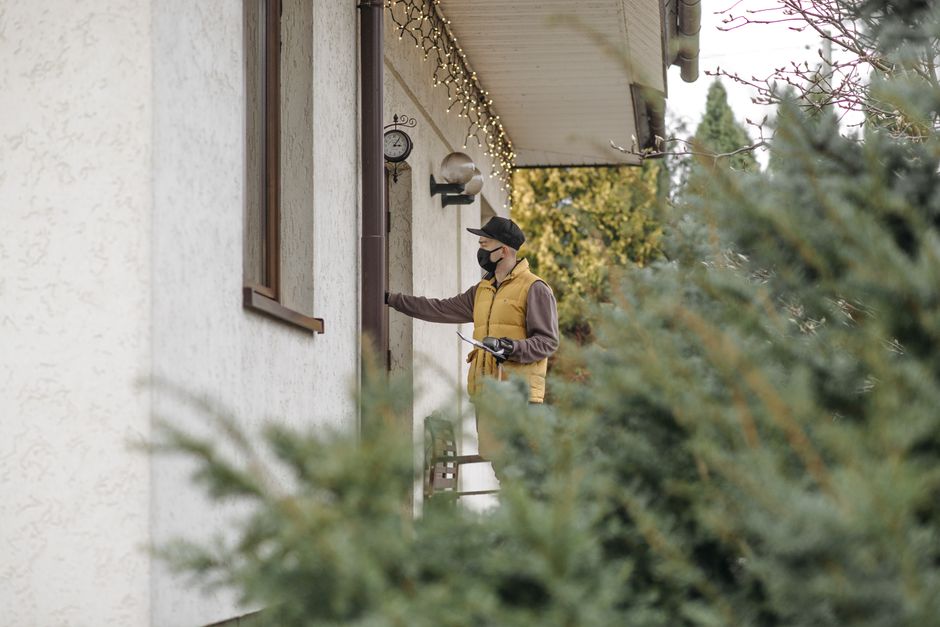
Properly designed security lighting ensures cameras capture high-quality images throughout the night. This enables homeowners to monitor their property remotely, identify visitors or suspicious activity, and provide law enforcement with actionable footage if incidents occur. Strategic lighting placement considers camera angles and fields of view, ensuring faces and license plates remain visible rather than backlit or obscured by shadows.
Smart lighting systems integrated with security platforms offer even greater capabilities in 2026. These systems can synchronize with motion sensors, triggering both lights and recording devices simultaneously when movement is detected. This coordinated response creates comprehensive documentation of all property activity while maximizing deterrent effects. Additionally, remote control features allow homeowners to adjust lighting patterns while away, simulating occupancy and maintaining security during extended absences.
Safety for Residents and Legitimate Visitors
Security lighting benefits extend beyond crime prevention to encompass resident safety and accident prevention. Well-lit pathways, steps, driveways, and entry areas reduce trip hazards and navigation difficulties that lead to injuries. This becomes particularly important for properties with elderly residents, children, or guests unfamiliar with the property layout.
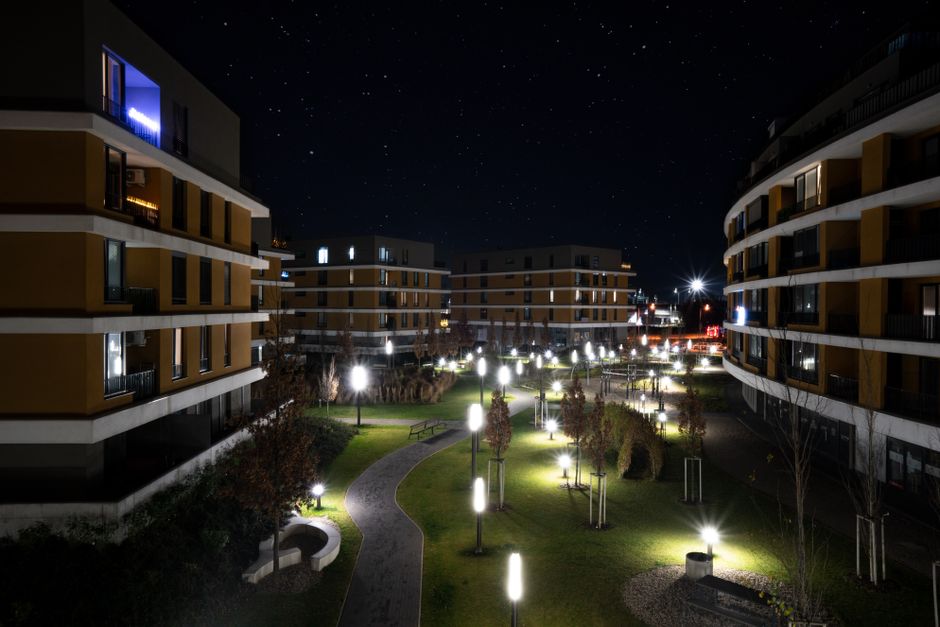
Proper illumination of parking areas, walkways, and entrance points helps residents and visitors move confidently throughout the property after dark. This eliminates the fumbling with keys in darkness that creates vulnerability moments when returning home. Clear visibility allows homeowners to scan their surroundings before exiting vehicles or entering the property, providing awareness of any potential threats or hazards.
Outdoor living spaces like patios, decks, and pool areas require appropriate lighting for both security and liability protection. These zones become security vulnerabilities when poorly lit, potentially concealing intruders or creating dangerous conditions for legitimate users. Balanced lighting solutions provide adequate security illumination without creating harsh glare that diminishes outdoor enjoyment or disturbs neighbors.
Types and Technologies for Security Lighting
Contemporary security lighting encompasses diverse technologies and fixture types, each offering distinct advantages for different applications. Motion-sensor lights remain among the most popular security lighting solutions, conserving energy while providing instant illumination when movement is detected. These fixtures work particularly well for side yards, backyard areas, and other spaces that don't require constant illumination but need reliable security coverage.
LED technology has revolutionized security lighting by offering exceptional energy efficiency, long operational life, and superior light quality. LED security fixtures consume significantly less electricity than traditional options while providing brighter, more consistent illumination. This combination of efficiency and performance makes comprehensive security lighting more affordable to operate continuously, eliminating the need to compromise coverage for cost concerns.
Dusk-to-dawn sensors automate security lighting operation, ensuring properties remain illuminated throughout vulnerable nighttime hours without requiring manual operation. These sensors adjust automatically to seasonal daylight changes, maintaining consistent protection year-round. Smart lighting systems build on this automation with programmable schedules, remote control via smartphone apps, and integration with comprehensive home security platforms.
Solar-powered security lights offer installation flexibility for areas where electrical wiring proves challenging or expensive. While solar technology historically lagged in brightness and reliability, current-generation solar security lights provide substantial illumination suitable for many security applications. These fixtures work particularly well for supplementary lighting along fence lines, shed areas, or garden perimeters where trenching for electrical lines would be prohibitively expensive.
Strategic Design and Placement Considerations
Effective security lighting requires thoughtful design that balances illumination needs with energy efficiency, aesthetic concerns, and neighborhood consideration. The goal is creating adequate visibility without producing harsh glare, light trespass onto neighboring properties, or excessive energy consumption. Professional lighting design considers property layout, architectural features, landscaping, and specific security vulnerabilities when developing comprehensive plans.
Layered lighting approaches combine multiple fixture types and placement strategies for optimal coverage. This typically includes perimeter lighting establishing property boundaries, entry point illumination highlighting doors and gates, pathway lighting ensuring safe navigation, and accent lighting that adds depth while eliminating hiding spots. This multi-zone strategy provides redundancy, ensuring security isn't compromised if individual fixtures fail.
Proper light intensity and color temperature selection impacts both security effectiveness and visual comfort. Excessively bright fixtures create harsh contrasts that actually reduce visibility by causing eye adaptation issues. Modern security lighting design targets appropriate illumination levels that provide clear visibility without overwhelming brightness. Color temperature selection influences how accurately colors and details appear, with neutral white lights generally offering superior recognition capabilities compared to yellow or colored options.
Height and angle considerations prevent fixture tampering while optimizing light distribution. Security fixtures mounted at appropriate heights with protective covers resist vandalism attempts and direct light downward rather than creating skyward waste. Overlapping coverage patterns eliminate dark gaps between fixtures, ensuring comprehensive property illumination without excessive fixture quantities.
Integration with Property Improvement Planning
Security lighting planning ideally occurs as part of comprehensive property improvement projects rather than as an isolated afterthought. This integrated approach ensures electrical infrastructure supports current lighting needs while accommodating future expansions. When planning outdoor projects like sport courts, patios, pools, or landscape renovations, incorporating security lighting from the initial design phase produces superior results at lower overall costs.
Coordinated planning allows lighting conduit and wiring installation during excavation or construction phases when ground access is already available. This eliminates the need for disruptive trenching work after other improvements are completed. Additionally, integrated planning ensures lighting design complements architectural elements, landscaping features, and functional spaces rather than conflicting with aesthetic or operational goals.
Modern property planning tools enable homeowners to visualize lighting placement alongside other improvements before breaking ground. This planning approach helps identify optimal fixture locations, assess coverage patterns, and estimate project costs accurately. By mapping lighting components directly onto property layouts, homeowners can experiment with different configurations and make informed decisions that balance security effectiveness with budget constraints and aesthetic preferences.
Budget considerations for security lighting extend beyond initial installation costs to include ongoing operational expenses, maintenance requirements, and expected lifespan. LED technology and solar options offer lower lifetime costs despite potentially higher upfront investments. Quality fixtures with weatherproof construction and manufacturer warranties provide superior long-term value compared to inexpensive alternatives requiring frequent replacement.
Conclusion
Outdoor security lighting provides exceptional value as both a crime deterrent and a practical safety feature for residential properties. The combination of improved visibility, enhanced surveillance capabilities, and psychological deterrence creates multiple protective layers that significantly reduce security vulnerabilities. As lighting technology continues advancing in 2026, homeowners have access to increasingly sophisticated yet affordable options that deliver professional-grade security without excessive energy consumption or operational complexity.
Effective security lighting requires strategic planning that considers property layout, specific vulnerabilities, integration with other security systems, and long-term operational factors. When incorporated into comprehensive property improvement planning, security lighting installations achieve optimal results at lower total costs while complementing aesthetic and functional goals. Whether planning a complete property renovation or focusing specifically on security enhancements, outdoor lighting deserves priority consideration for the substantial protection and peace of mind it provides.
Taking time to design thoughtful security lighting systems, select appropriate technologies, and ensure professional installation creates lasting security benefits that protect both property and residents. The investment in quality outdoor security lighting pays continuous dividends through crime prevention, enhanced safety, improved property values, and the invaluable confidence that comes from knowing your property remains well-protected after dark.