Asphalting Kellyville: a Homeowner's Guide

Asphalting is one of the most practical ways to create a durable, smooth and low-maintenance surface on a residential property. In Kellyville, a suburb of Sydney's Hills District characterised by growing housing estates, larger blocks and an increasing number of homeowners investing in outdoor improvements, asphalt (often called bitumen or hot mix) is a common choice for driveways, long access lanes, parking pads and shared paths. This guide explains what asphalting involves, how it performs in the local climate, what affects cost and scope, and how to plan a project before you approach contractors.
What Asphalting Actually Involves
Asphalt is a composite material made from crushed stone, sand and gravel (collectively called aggregate) bound together with bitumen, a sticky, black petroleum-based binder. For residential work, the material is usually supplied as hot mix asphalt, delivered warm from a plant, laid at a controlled thickness and compacted with rollers while still workable.

A typical residential asphalt job involves several stages:
- Site assessment and set-out. Checking levels, drainage, vehicle access and any services running beneath the surface.
- Excavation. Removing topsoil and soft material to reach a stable subgrade, then shaping falls so water drains away from buildings and boundaries.
- Sub-base preparation. Laying and compacting a crushed rock base (commonly 100–150 mm for light residential traffic, deeper for heavier use). The base does most of the structural work.
- Priming and tack coating. A bituminous primer seals the base and helps the new asphalt bond to it.
- Laying and compacting the asphalt. Residential driveways are typically laid at 50–75 mm compacted depth. Edges are supported with timber or concrete kerbing to prevent crumbling.
- Curing and finishing. The surface cools and hardens within hours but continues to cure for weeks.
Asphalt differs from concrete in several important ways. It is flexible, so it tolerates minor ground movement; it is usually faster to install; and it can be re-surfaced rather than demolished. In exchange, it needs periodic sealing and is more vulnerable to heavy point loads and prolonged water exposure. For homeowners weighing up sealcoating and surface protection, this guide to asphalt sealcoating in Walbridge, Oh explains what to know before booking the work.
Why Homeowners in Kellyville Consider Asphalt
Kellyville's housing stock ranges from established homes to newer estate lots, many with long driveways from the street to the garage and additional space for parking, caravans or trailers. Several local factors make asphalt worth evaluating:
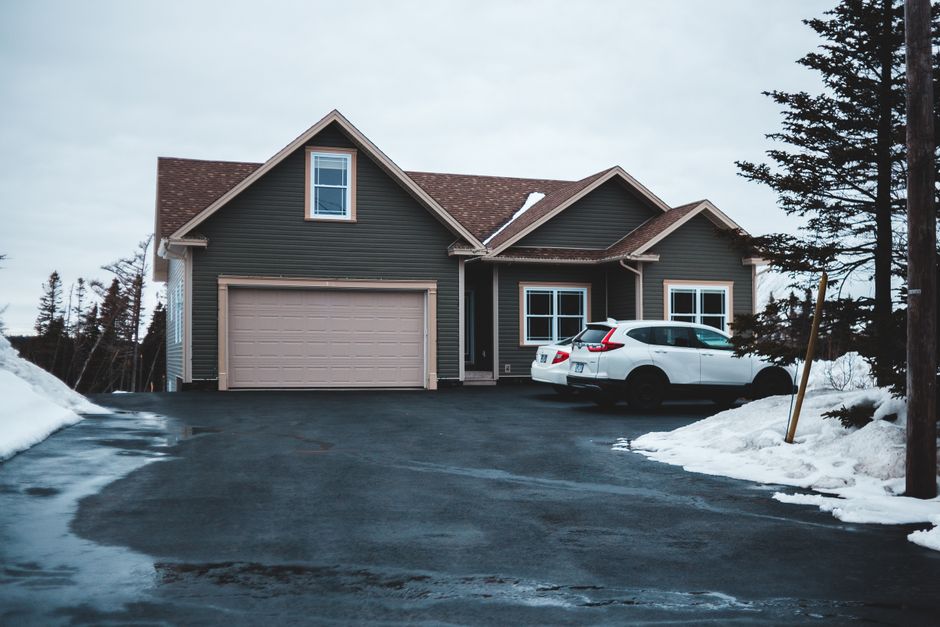
- Long driveways. Where a driveway runs 30 metres or more, asphalt's continuous, joint-free surface and relatively fast installation can be attractive compared with segmented paving.
- Flexible ground. Parts of the Hills District contain reactive clay soils that expand and contract with moisture. Asphalt's flexibility allows it to accommodate minor movement that might crack a rigid concrete slab, although proper base preparation remains essential.
- Cost per square metre. For larger areas, asphalt often compares favourably on initial cost against exposed aggregate concrete or high-end paving.
- Maintenance options. Small depressions, edge wear and surface weathering can be patched or re-sealed without full replacement.
- Appearance. A fresh, uniform black surface provides a clean contrast to lawns and gardens, and the finish can be upgraded with coloured or exposed-aggregate toppings.
It is not the right answer for every site. Steep driveways, poor drainage, heavy vehicle use or a desire for decorative finishes may point toward concrete or pavers. The best approach is to compare options against your specific site conditions rather than a general rule.
Climate and Soil Considerations in the Hills District
Sydney's western and north-western suburbs experience warm to hot summers, mild winters and periodic intense rainfall. Asphalt handles summer heat well — it softens slightly in extreme heat but regains stiffness as it cools, and it does not suffer the shrinkage cracking that affects concrete. However, heat also accelerates oxidation of the bitumen binder, causing the surface to grey and become brittle over time. That is the main reason a protective seal coat every few years is recommended.

Moisture is the bigger long-term threat. Water that sits on or beside an asphalt surface will eventually work its way into the base, softening it and causing potholes, rutting and edge breakdown. Good design therefore matters as much as good material:
- Fall the surface away from the garage and house at roughly 1–2% so water drains to the street, a garden bed or a stormwater pit.
- Ensure the subgrade is properly drained and that downpipes and surface flows are directed away from the driveway.
- Install a suitable transition at the street crossover to manage the kerb and any gutter flow.
- Use kerbing or edging so the asphalt edge does not crumble under tyre loads.
On reactive clay, an experienced contractor may also recommend a geotextile membrane or a thicker granular base to stabilise the subgrade. Getting this right at the planning stage is far cheaper than correcting it later.
Scope, Sizing and Design: Planning Before You Quote
Most asphalting surprises come from an unclear scope, not from the material itself. Before requesting prices, define the project properly:
Measure the area and specify the use
Measure length and width to calculate square metres, then note what will use the surface — cars only, occasional trailer or caravan, or heavier vehicles. This determines base depth, asphalt thickness and edge support.
Decide on finishes and extras
Standard hot mix has a uniform grey-black finish. Options include coloured oxide additives, exposed aggregate finishes, line marking and lighting. Each adds cost and may affect lead times. A planned approach pays off — see this asphalt paving planning guide for Zarephath for a useful comparison of finish options.
Plan access and services
Laying equipment needs room to manoeuvre. Note the location of water, sewer, gas, electricity and telecommunications lines; any alteration or protection requires appropriate approvals and coordination.
Check approvals and boundaries
Work within your property boundary generally does not require development consent, but a driveway crossing the footpath or affecting stormwater discharge may need local council approval. Confirm requirements with the relevant Sydney council before committing.
Build a realistic budget range
Costs vary with area, base conditions, access, drainage and finish. Rather than relying on a single advertised rate, plan a range for the whole job — excavation, base, asphalt, drainage and reinstatement — so quotes can be compared on a like-for-like basis.
This is where map-based planning tools can help. Property Improvement Estimator (PIE) lets homeowners draw a driveway or parking area directly onto their property map, calculate the surface area, build a planning price range and then use that design as the basis for requesting local contractor quotes. It is not a substitute for site assessment, but it turns a vague idea into a measurable scope that contractors can price accurately.
Maintenance, Lifespan and Common Problems
A well-built residential asphalt driveway in the Sydney basin can reasonably last 15–25 years with care, though surface condition and maintenance determine how it ages.
Recommended routine:
- Keep the surface clean; sweep leaves and dirt so drainage paths stay clear.
- Seal with a quality bitumen emulsion sealer every 2–4 years on driveways, more often on exposed or heavily oxidised surfaces.
- Fill cracks promptly before water enters the base.
- Repair edge breakdown early — edges fail first and problems spread inward.
- Avoid washing heavy sediments or chemicals onto the surface, and place a board under jack stands or heavy equipment in hot weather.
Problems to watch for:
- Rutting or depressions usually indicate a weak or wet base, not a surface fault. Patching alone will not fix it.
- Alligator cracking (interconnected cracks) signals base failure and often requires localised reconstruction.
- Potholes result from water ingress combined with traffic; they need cutting out, cleaning and proper patching.
- Faded, grey surfaces are normal oxidation and are addressed with sealing.
- Weed growth at edges is manageable with edging and occasional treatment.
When damage does occur, early intervention keeps costs down; this homeowner's guide to asphalt repair in Skillman covers the repair options and when patching is enough.
Physical activity and outdoor surfaces go hand in hand for families. Organisations such as the American College of Sports Medicine promote safe, accessible environments for physical activity — a useful reminder that a level, well-drained driveway and paths make everyday movement, from cycling to basketball in the driveway, easier and safer.
Choosing and Comparing Contractors
Asphalt quality depends heavily on workmanship. When seeking quotes in Kellyville, ask each contractor the same questions so responses are comparable:
- What base depth and asphalt thickness do you recommend for my use, and why?
- How will you manage drainage and water flow?
- What area is included in the quote — is excavation, disposal, base, edging and clean-up covered?
- What warranties apply to workmanship and materials, and what do they exclude?
- Can you provide references for similar local jobs?
- Are you licensed and insured for the work?
Seek at least three itemised quotes against the same scope, and be cautious of prices substantially below others — they often reflect thinner base, less compaction or excluded disposal costs. Reading a homeowner's guide to asphalt repair in Berkshire Valley first can help you ask sharper questions about base preparation and repair history. A short, clear written scope attached to each quote request reduces ambiguity and makes the final comparison far easier.
Conclusion
Asphalting in Kellyville can deliver a smooth, durable and cost-effective surface for driveways, parking areas and paths, provided the base is properly built, drainage is designed thoughtfully and the surface is maintained. The key to a successful project is planning: measure the area accurately, define how it will be used, understand the local soil and drainage conditions, check approvals and gather comparable quotes. By turning a rough idea into a clear, measured scope — whether on paper or with a map-based estimator — homeowners can approach contractors with confidence and avoid the most common and expensive pitfalls.