Asphalt Paving Installation in Loughman: a Homeowner's

Asphalt paving is one of the most practical and cost-effective ways to create a durable driveway, parking area, or access lane on a residential or commercial property. For property owners in Loughman, a growing community in Polk County, Florida, understanding how asphalt installation works—from base preparation to final compaction—can help you plan a project that holds up under sun, heavy rain, and daily traffic. This guide explains the installation process, the factors that shape cost and scope, and how to prepare before you request contractor quotes.
Why Asphalt Is a Popular Choice for Loughman Properties
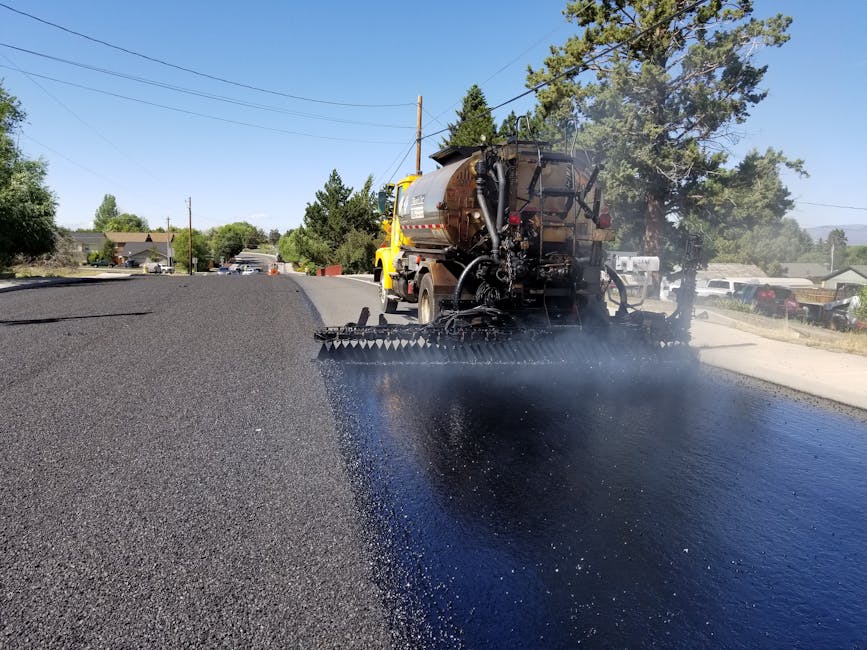
Asphalt—also called blacktop or hot-mix asphalt—is a mixture of aggregate, sand, and asphalt binder that is laid while hot and compacted into a smooth, continuous surface. It offers several advantages that make it well suited to Florida properties:
- Smooth, seamless surface: Asphalt cures into a continuous pavement with fewer joints than concrete, which reduces the chance of weed growth between slabs.
- Relative affordability: Asphalt typically costs less per square foot to install than concrete or pavers, though prices vary by region, mix design, and site conditions.
- Faster installation and cure: New asphalt is usually ready for light foot traffic the same day and for vehicles within a few days, depending on weather.
- Repairability: Damaged sections can be patched, and the surface can be resurfaced or sealcoated to extend its service life.
- Flexibility: Asphalt accommodates minor ground movement better than rigid pavement, which can help in areas with shifting soils.
In Loughman's climate, heat and intense seasonal rainfall are the two forces that most affect pavement performance. Proper drainage and a well-compacted base are therefore central to any successful installation.
The Asphalt Paving Installation Process, Step by Step
A quality asphalt job follows a predictable sequence. Understanding each stage helps you evaluate contractor proposals and spot shortcuts.
1. Site assessment and layout
The contractor evaluates soil conditions, existing drainage patterns, slope, and access for equipment. The driveway or parking area is staked and marked, and elevations are set so water drains away from buildings and toward appropriate discharge points.
2. Excavation and grading
Topsoil and unsuitable material are removed to the required depth. The subgrade is graded to the planned slope and compacted. For residential driveways, excavation depth depends on the pavement thickness specified in the design—typically a few inches of base plus the asphalt layers.
3. Base installation
A compacted aggregate base (often crushed limestone or similar material) is spread and rolled in lifts. The base is the structural backbone of the pavement; it distributes vehicle loads and provides a stable platform. Poor base preparation is one of the most common causes of early cracking and rutting.
4. Prime coat and tack coat
Depending on the design, a prime coat may be applied to the base to promote bonding, and a tack coat may be applied between asphalt layers. These steps help the layers act as a single structural system.
5. Hot-mix asphalt placement
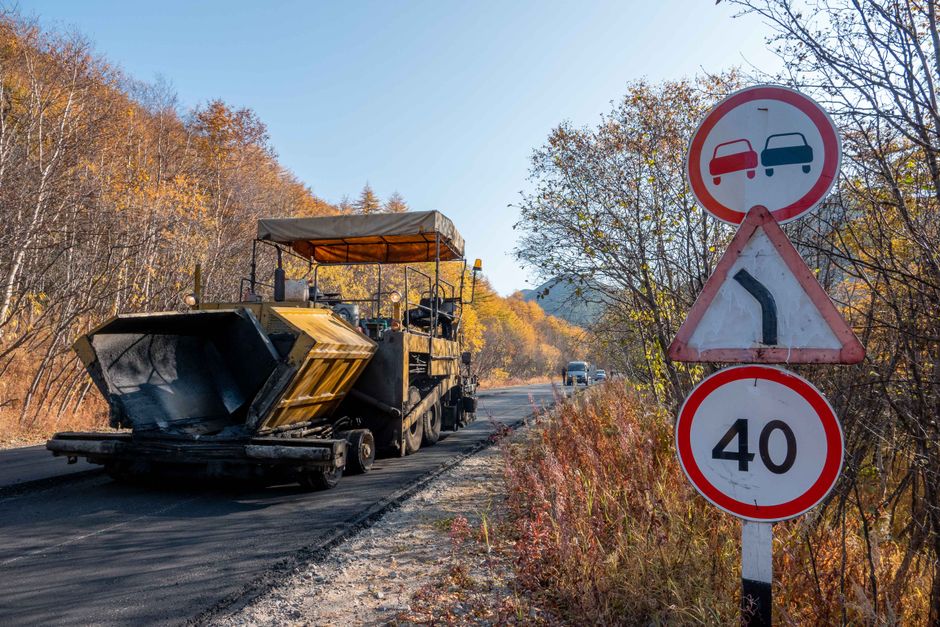
Asphalt is delivered from a plant at a specified temperature and placed with a paver. Residential driveways usually receive one or two lifts, with each lift compacted before the next is placed. Thickness is often specified in inches—for example, 2 to 3 inches of compacted asphalt over a prepared base—but the right specification depends on traffic loads and site conditions.
6. Compaction and finishing
Rollers compact the asphalt to the target density while it is still hot. Edges are finished, and the surface is checked for smoothness and slope. Proper compaction is critical to long-term durability and resistance to water intrusion.
7. Curing and initial care
New asphalt needs time to cool and harden. Avoid heavy vehicles and sharp turning movements for the period your contractor recommends. Many installers suggest a sealcoat after the pavement has fully cured—often after several months—to protect the surface and enhance appearance.
Tip: Ask each contractor to specify base thickness, asphalt thickness, and compaction methods in writing. Comparable bids should describe comparable construction, not just comparable prices.
Factors That Affect Asphalt Installation Scope and Cost in Loughman
No two paving projects are identical. The following variables commonly influence the amount of work required and the planning range you should expect:

- Area and dimensions: Total square footage, driveway width, turnarounds, and parking count drive material quantities and labor hours.
- Site access: Narrow lots, fences, landscaping, and overhead obstructions can limit equipment access and add handwork.
- Soil and drainage: Poorly draining soils may require underdrains, additional base material, or regrading. Swales and drainage structures may need to be incorporated.
- Existing pavement: New construction, overlays, and full removal-and-replacement have very different scopes. Overlays require an assessment of the existing surface's condition.
- Pavement thickness and mix: Heavier vehicle loads (RVs, trailers, delivery trucks) generally call for thicker pavement and a stronger base.
- Permits and utility conflicts: Local requirements and the location of water, sewer, and utility lines can affect layout and scheduling.
- Finishing details: Edging, aprons at the street, markings, and landscaping restoration add to the overall project.
Because costs vary by season, material availability, and contractor workload, a site-specific estimate is essential. Planning tools that let you sketch your project on a map and generate a price range—like this guide to Asphalt Paving Installation: Plan Your Homeland Project—can help you set a realistic budget before you contact contractors.
Planning Your Project Before You Request Quotes
Homeowners and property owners often get better results when they arrive at the contractor conversation with a clear plan. A map-based planning approach can help you:
- Measure the actual area you want paved, including aprons, turnarounds, and connecting walkways.
- Visualize the layout in relation to buildings, fences, trees, and drainage paths.
- Define the use case—daily passenger vehicles, occasional RV parking, or commercial traffic—so thickness and base requirements can be matched to loads.
- Generate a planning-level price range to compare against contractor proposals and identify outliers.
- Request local quotes based on the specific design rather than a vague description.
This is the kind of workflow that Property Improvement Estimator (PIE) is designed to support: users can design outdoor projects such as asphalt paving, concrete, sport courts, fences, and lighting directly on a property map, calculate project scope, obtain planning price ranges, and then request local quotes. Contractors, in turn, can use the same project information to prepare more accurate proposals. For a closer look at how neighboring communities approach similar projects, see this guide to asphalt paving in Hibernia.
Maintenance and Longevity for Asphalt in Central Florida
With proper installation and routine care, an asphalt driveway can provide many years of service. Consider these practices:
- Sealcoat on a sensible schedule: Sealcoating protects the surface from sun and water but should not be applied too frequently. Follow the manufacturer's and contractor's recommendations.
- Keep drainage clear: Remove debris from swales, gutters, and drainage structures so water does not pond on the pavement.
- Repair cracks early: Small cracks can be cleaned and filled before water freezes—or, in Florida, before heavy rain and root growth widen them.
- Manage heavy loads: Avoid concentrating heavy equipment or sharp turning movements on the pavement, particularly during hot weather when asphalt is softer.
- Watch for settlement: Depressions or new ponding may indicate a base or drainage issue that should be evaluated promptly.
For homeowners interested in broader property planning—such as combining a driveway with a sport court, patio, or lighting—organizations like the American College of Sports Medicine publish general guidance on physical activity and facility considerations that can inform how outdoor spaces are planned and used. When comparing bids, it also helps to review how contractors in nearby areas such as Crandon Lakes plan asphalt projects.
Conclusion
Asphalt paving installation in Loughman is a multi-stage process in which site assessment, base preparation, proper thickness, and careful compaction matter as much as the visible black surface. By understanding the steps involved, identifying the factors that affect scope and cost, and planning your layout before requesting quotes, you can make more informed decisions and compare contractor proposals on equal terms. Start with a clear design and a planning-level price range, verify the details in writing, and choose an experienced local contractor whose proposal reflects a construction process built for Florida's heat and rain.