Asphalt Paving in Zarephath: a Planning Guide

Asphalt paving is one of the most practical and cost-effective ways to improve a property's function and appearance, and Zarephath, New Jersey, is a community where that holds true for homeowners, small businesses, and institutions alike. Whether you are refreshing a worn driveway, adding a parking area, or planning a new access lane, understanding how asphalt work is scoped, priced, and scheduled will help you make better decisions before a single contractor shows up. This guide explains the essentials of asphalt paving in Zarephath, from mixes and subgrade preparation to drainage, seasonal timing, and how to plan and budget the project accurately.
Why Asphalt Is a Smart Choice for Zarephath Properties
Asphalt — technically asphalt concrete, or hot-mix asphalt (HMA) — is a mixture of graded aggregate and asphalt binder. It is the most common paving material in the United States because it balances durability, smoothness, and cost. For residential driveways, parking lots, and access roads, asphalt offers several advantages:

- Smooth, quiet surface. Asphalt produces less tire noise than concrete or gravel and provides a comfortable ride.
- Fast installation and quick cure. New asphalt can often be driven on within a day or two of placement, minimizing disruption.
- Repairability. Small failures can be patched or milled and replaced without rebuilding the entire surface.
- Recyclability. Reclaimed asphalt pavement (RAP) is routinely incorporated into new mixes, improving sustainability.
- Cost efficiency. Compared with concrete of similar load capacity, asphalt typically has a lower upfront cost.
Zarephath sits in Somerset County, within a climate that experiences hot, humid summers and freezing winters with freeze–thaw cycles. That matters for pavement design: moisture management, proper base thickness, and mix selection must account for seasonal expansion and contraction. The American College of Sports Medicine (https://www.acsm.org/) reminds property owners that surface safety and maintenance planning matter for active-use areas — the same principle applies to driveways and lots that see regular foot and vehicle traffic.
How an Asphalt Paving Project Comes Together
Asphalt paving is not simply "laying blacktop." A durable surface is the result of several coordinated steps. Whether you are comparing quotes or designing the project yourself, knowing these stages helps you evaluate contractors and ask the right questions. For a useful comparison, see this Asphalt Paving in Springtown: a Homeowner's Guide.
1. Site Evaluation and Measurement
The first step is understanding the site: existing surface condition, slope, drainage patterns, subgrade soil type, traffic loads, and access for equipment. Accurate square footage and linear footage drive material quantities and cost. Many property owners begin by mapping the area and recording dimensions; digital planning tools can help you sketch the footprint and calculate area before requesting quotes.
2. Design and Scope Definition
Design decisions include pavement thickness, base depth, edge treatment, and whether the project involves new construction ("full-depth") or resurfacing ("overlay"). Driveways for passenger vehicles generally use lighter sections than commercial lots serving trucks. Scoping the project clearly — including drainage features like swales, culverts, or catch basins — prevents surprises later.
3. Excavation and Subgrade Preparation
The subgrade is the native soil beneath the pavement structure. It must be graded, compacted, and stable. Soft or organic soils may require removal and replacement. Proper preparation is the single greatest determinant of pavement life; shortcuts here cause cracking, rutting, and settling.
4. Base Course Installation
A compacted aggregate base (typically crushed stone) distributes loads and provides a stable platform. Its required thickness depends on subgrade strength and expected traffic. Base compaction should be verified by the contractor, often with density testing on larger projects.
5. Paving and Compaction
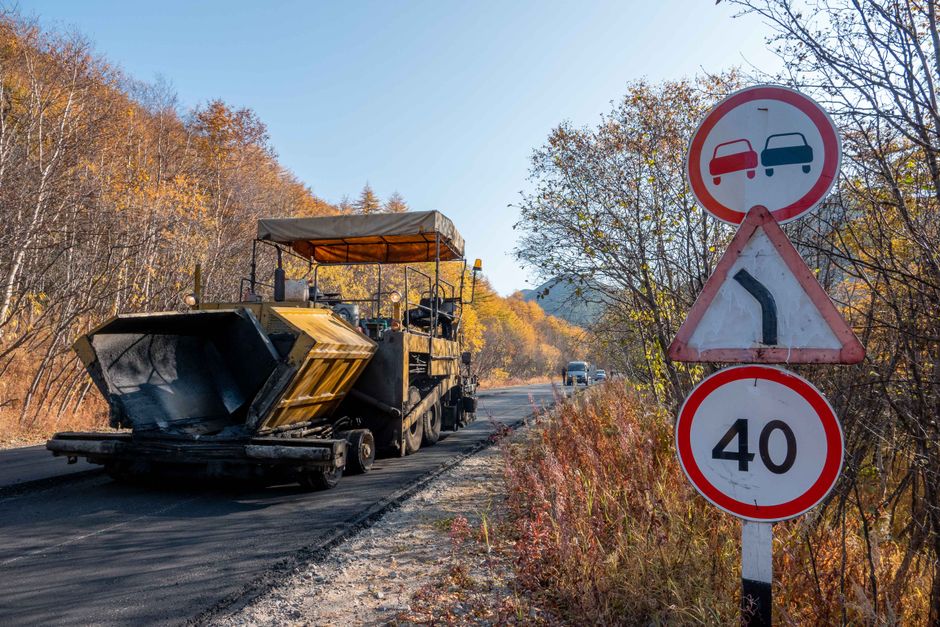
Hot-mix asphalt is placed at controlled temperature and thickness, then compacted with rollers to achieve target density. Joints, edges, and transitions must be sealed and finished. Weather matters: paving in cold or wet conditions can compromise density and bonding.
6. Finishing, Curing, and Stripping
After compaction, the surface is finished and left to cure. Striping, signage, and curb details follow once the pavement has cooled and stabilized. Homeowners are typically advised to keep heavy vehicles off new pavement for several days, depending on weather.
Materials, Mixes, and Thickness: What Drives Durability
Asphalt mixes are engineered for specific conditions. In Zarephath's climate, mixes must resist both rutting in summer heat and thermal cracking in winter cold. Contractors typically select from standard state or regional specifications, such as those used by the New Jersey Department of Transportation and local municipalities. Key considerations include:

- Binder grade. The asphalt binder's performance grade is chosen based on local temperature extremes.
- Aggregate quality. Hard, angular, well-graded stone improves stability and skid resistance.
- Compaction level. Higher in-place density means less permeability and longer life.
- Layer thickness. Too thin a lift can fail; typical residential surface courses run about 1.5 to 2 inches, with base thickness varying by load.
- Recycled content. RAP and other recycled materials are common and, when properly specified, perform well.
For driveways, a common section includes a compacted aggregate base of 4 to 6 inches and an asphalt surface of 2 to 3 inches, though site-specific engineering may call for more. Commercial or heavily loaded areas may require thicker sections and reinforced details. Always ask a contractor to explain the proposed section and why it suits your use.
Drainage, Grading, and Site Conditions in Zarephath
Water is asphalt's most persistent enemy. Standing water softens the base, accelerates freeze–thaw damage, and encourages potholes. Good design directs water away from the pavement using slope (typically a minimum of 1–2 percent away from structures), swales, and drainage structures. In Zarephath and the surrounding Somerset County area, properties vary from flat lots to gently sloping sites, and local stormwater rules may affect how much new impervious surface is allowed and whether infiltration or detention is required. Before finalizing a design, check with the municipality about permits and stormwater requirements, especially for larger lots or new construction. For additional planning context, the Asphalt Paving in Mount Tabor: a Planning Guide covers comparable local conditions.
Cost Factors and How to Plan a Realistic Budget
Asphalt paving costs vary widely by region and project, and there is no single reliable price per square foot. Instead, plan for these cost drivers:
- Area and site access. Larger areas lower unit costs, while tight access or long haul distances raise them.
- Removal and disposal. Tearing out old pavement or unsuitable soil adds labor and disposal fees.
- Base preparation. New base, grading, and compaction are major cost components.
- Pavement section. Thicker lifts, higher-grade mixes, and reinforcement increase cost.
- Drainage and grading. Culverts, catch basins, and regrading add scope.
- Finishing. Striping, sealing, and edging affect the final total.
- Season and scheduling. Peak-season demand and weather delays can influence pricing.
For a realistic budget, obtain at least two or three itemized quotes that separate base work, paving, and finishing. Ask each contractor to state the pavement section, mix type, compaction method, and warranty terms. Planning tools that map your property and calculate project scope can help you enter conversations with clear dimensions and expectations, making quotes easier to compare. A well-defined scope reduces change orders and delays. For a sample budgeting breakdown, consult this Asphalt Paving in Lake Telemark: a Planning Guide.
Maintenance, Longevity, and Seasonal Care
With proper design and installation, an asphalt surface can serve for 15 to 25 years or more, depending on traffic and maintenance. Routine care makes a real difference:
- Sealcoating. Applied every few years after installation, sealcoat protects the surface from oxidation and water intrusion. Avoid over-sealing; follow manufacturer guidance.
- Crack filling. Address cracks promptly to prevent water from reaching the base.
- Patching. Repair potholes and depressions before they spread.
- Drainage maintenance. Keep swales, gutters, and catch basins clear of debris and sediment.
- Winter care. Use plowing carefully and avoid harsh de-icing practices that can accelerate surface deterioration.
Inspect your pavement each spring as the ground thaws. Freeze–thaw cycles are the leading cause of new cracks in the region, and early repairs are far less expensive than reconstruction.
Permits, Contractors, and Practical Next Steps
Before work begins, confirm local permitting requirements with the Zarephath municipal offices and Somerset County where applicable. Ask contractors for proof of insurance, references for similar projects, and a written contract that specifies materials, thicknesses, schedules, and payment terms. In New Jersey, home improvement contractors must be registered with the state Division of Consumer Affairs; verify registration before signing. Avoid large upfront payments, and hold final payment until the work is inspected and accepted.
Conclusion
Asphalt paving in Zarephath combines straightforward materials with site-specific engineering. Success depends on accurate planning, proper subgrade and base preparation, appropriate mix selection for the local climate, and diligent maintenance. By measuring your site, defining scope, understanding the cost drivers, and comparing itemized quotes, you can move forward with confidence. For more homeowner-focused guidance on cost and scope, review the Asphalt Paving in Loughman: a Homeowner's Guide. A well-planned asphalt project improves access, safety, and property value — and with the right preparation, it will serve your property for decades.