Asphalt Paving in Eastwood: a 2026 Guide

Asphalt paving is one of the most practical and cost-effective ways to create a durable, smooth surface on a residential or commercial property in Eastwood. Whether you are planning a new driveway, refreshing an aging parking area, or laying the groundwork for a sport court, understanding how asphalt paving works — and what it costs — helps you make smarter decisions before you ever call a contractor. This guide walks Eastwood property owners through the essentials of asphalt paving in 2026: the process, the costs, the climate and site considerations, and how to plan and estimate your project with confidence.
What Is Asphalt Paving and Why It Matters for Eastwood Properties
Asphalt paving is the process of installing a smooth, load-bearing surface made from a mixture of aggregate (crushed stone, gravel, and sand) bound together with bitumen, a sticky, black petroleum-based binder. When laid hot and compacted, this mixture forms a flexible, durable pavement that is widely used for driveways, roads, parking lots, and recreational surfaces.
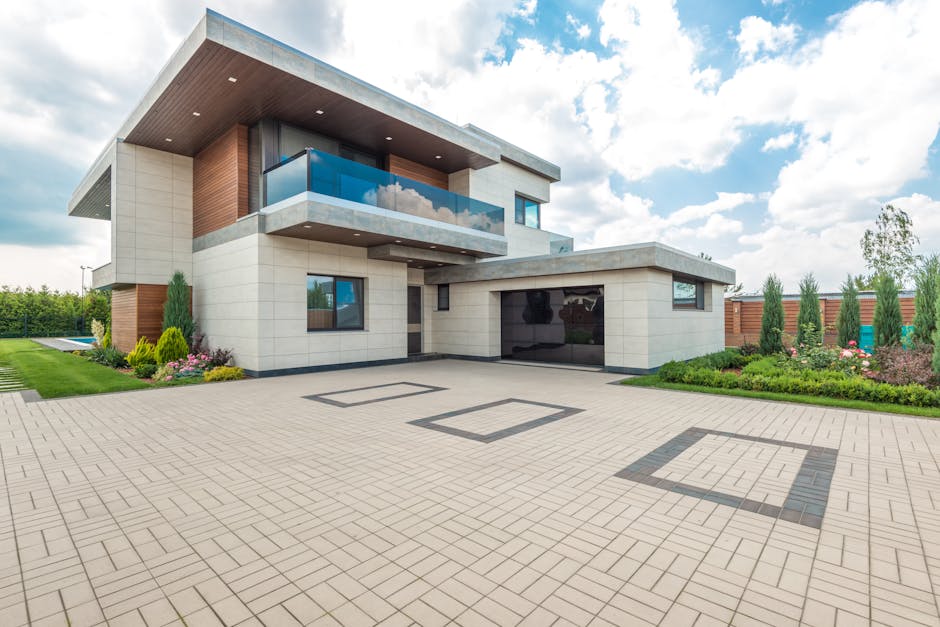
Asphalt is popular for several reasons:
- Cost efficiency: Asphalt typically costs less per square foot to install than concrete, making it attractive for large surfaces like driveways and parking areas.
- Speed of installation: Hot-mix asphalt can often be laid and compacted in a single day, minimizing disruption.
- Flexibility: Asphalt flexes slightly under load, which helps it resist cracking compared with rigid surfaces.
- Repairability: Damaged areas can be patched or resurfaced relatively easily.
- Smooth finish: A well-paved asphalt surface is even and pleasant to walk, drive, or play on.
For Eastwood property owners, asphalt is a smart choice for driveways, parking pads, access lanes, and even as a base or finished surface for recreational areas. Because it can be shaped and graded to manage water runoff, it also integrates well with broader property improvement plans. If you are still comparing contractors, this guide to asphalt paving companies and finding the right one can help you vet local options before you commit.
The Asphalt Paving Process: Step by Step
Understanding how a professional asphalt paving job comes together helps you evaluate quotes and avoid surprises. While every project differs, a typical asphalt paving job follows these stages.
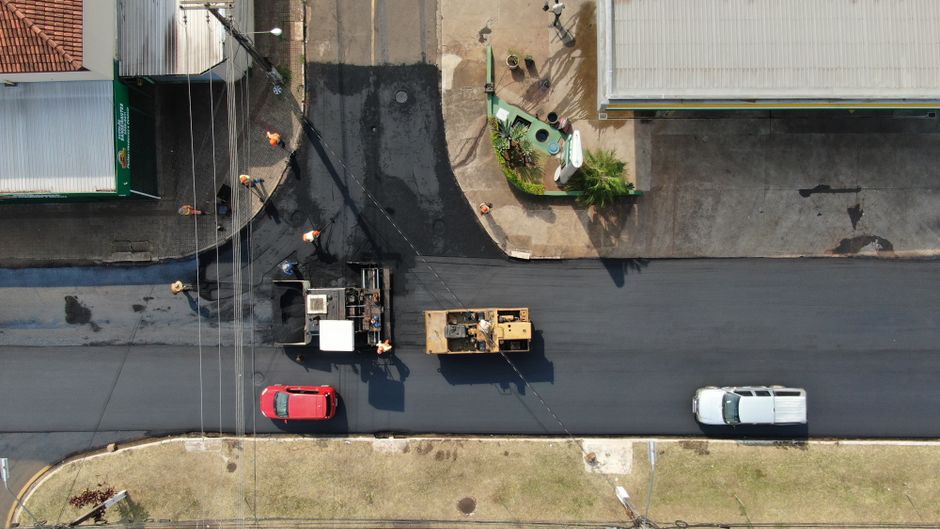
1. Site Assessment and Planning
The first step is evaluating the site: measuring the area, checking the soil and subgrade, assessing drainage patterns, and identifying access for heavy equipment. Proper planning determines pavement thickness, base requirements, and grading — all of which affect performance and cost.
2. Excavation and Grading
The area is cleared and excavated to the required depth. The subgrade is graded to direct water away from structures and toward appropriate drainage points. This stage is critical: poor drainage is one of the leading causes of premature pavement failure.
3. Base Preparation
A compacted aggregate base — often crushed stone or gravel — is installed and compacted in layers. The base provides structural support and helps distribute loads. The thickness of the base depends on the expected traffic and soil conditions; a driveway for passenger vehicles needs less base than a commercial lot with heavy trucks.
4. Asphalt Laydown
Hot-mix asphalt is delivered and laid using a paving machine, then compacted with rollers to achieve the specified density. For driveways, one or two lifts (layers) are common; heavier-use areas may require more. Proper temperature control during laydown is essential for a strong, lasting bond.
5. Finishing and Curing
Edges are finished, joints are sealed, and the surface is allowed to cool and cure. New asphalt typically needs a short curing period before regular use, and many contractors recommend waiting several months before applying a seal coat.
6. Sealcoating and Maintenance
Sealcoating — applying a protective coating over the asphalt — is usually done after the pavement has cured (often six months to a year after installation). Regular sealcoating every few years, along with timely crack filling and patching, significantly extends pavement life.
Cost Factors for Asphalt Paving in Eastwood
Asphalt paving costs vary widely based on site conditions and project scope. Rather than quoting a single number, it helps to understand the variables that drive price. In 2026, the main cost factors include:

- Area size: Larger areas generally cost more overall but may have a lower cost per square foot.
- Pavement thickness and base requirements: Heavier loads and weaker soils require thicker base and asphalt layers.
- Site access and excavation: Difficult access, significant grading, or removal of existing material adds cost.
- Drainage work: Adding culverts, French drains, or regrading to manage runoff adds scope.
- Existing surface removal: Tearing out old concrete or deteriorated asphalt increases labor and disposal costs.
- Local labor and material prices: Regional market conditions affect the final price.
- Permits and code compliance: Some jurisdictions require permits or specific standards for driveways and parking areas.
The best way to get a realistic figure is to define your project scope precisely, then request multiple local quotes based on the same specifications. This is where upfront planning tools are valuable: by mapping out your driveway or parking area and calculating the area and features involved, you can compare contractor bids on equal footing and identify outliers. For a closer look at how local homeowners approach this, see this homeowner's guide to asphalt paving.
Planning Your Asphalt Project with Map-Based Estimating Tools
One of the biggest challenges in any paving project is translating a rough idea into a defined scope that contractors can price accurately. Property Improvement Estimator (PIE) is an online tool built for exactly this purpose. It lets homeowners and property owners design and plan outdoor projects — including asphalt, concrete, sport courts, lighting, fences, decks, pools, and retaining walls — directly on a property map.
Here is how map-based planning supports an asphalt paving project:
- Design on your actual property: Draw the driveway, parking pad, or access lane on a map of your property, so dimensions and shapes reflect reality.
- Calculate project scope: The tool helps you determine the area involved and the features included, giving you a clear scope of work.
- Obtain planning price ranges: Get preliminary cost ranges to set a realistic budget before committing to a design.
- Request local quotes: Share your design with local contractors to receive quotes based on your specific project rather than vague estimates.
This approach benefits both sides of the market. Homeowners gain clarity and confidence before spending money, while contractors receive more detailed, better-qualified project specifications — reducing back-and-forth and improving the accuracy of bids.
Climate, Drainage, and Long-Term Care for Eastwood Asphalt
Asphalt performance depends heavily on how well it handles water and temperature swings. Regardless of your specific local climate, several universal principles apply in any region:
Drainage First
Water is asphalt's biggest enemy. Standing water and poor runoff weaken the base and accelerate cracking. Ensure your plan includes proper grading, and consider drainage features such as swales, drains, or permeable options where appropriate. A 1–2% slope is commonly used to shed water from paved surfaces. A careful planning guide for asphalt paving can help you account for grading and drainage before work begins.
Temperature and Seasonal Timing
Hot-mix asphalt requires favorable weather for proper compaction. Extreme cold, rain, or high winds can compromise the finished surface. Scheduling paving during appropriate conditions is essential; reputable contractors will advise on timing.
Maintenance Habits
- Fill cracks promptly to prevent water infiltration.
- Sealcoat every two to three years, depending on traffic and wear.
- Keep edges supported and avoid heavy point loads on thin pavement.
- Clean the surface regularly and address standing water quickly.
For properties that include recreation, consider how the pavement supports activity. Organizations such as the American College of Sports Medicine emphasize safe, well-maintained surfaces for physical activity; if your asphalt is intended for sport or play, planning for durability and maintenance from the outset pays off.
Asphalt vs. Concrete: Making the Right Choice
Many Eastwood property owners weigh asphalt against concrete. Both are viable, but they suit different needs.
| Consideration | Asphalt | Concrete |
|---|---|---|
| Upfront cost | Generally lower per square foot | Generally higher per square foot |
| Installation speed | Fast; often completed in a day or two | Slower; requires curing time |
| Flexibility | Flexes under load; resists some cracking | Rigid; can crack with ground movement |
| Appearance | Smooth black finish; can be stamped or colored | Light gray; many finish options |
| Maintenance | Sealcoating and crack filling required | Less routine maintenance; joint sealing |
| Repair | Easy to patch and resurface | Patching can be more visible and costly |
Asphalt tends to win on cost and speed, while concrete offers a longer lifespan with less routine maintenance in some cases. Your choice should reflect budget, climate, intended use, and long-term maintenance preferences. A well-planned design and accurate scope estimate make the comparison far easier.
How to Get Accurate Asphalt Paving Quotes in Eastwood
Getting the best result starts with preparation. Follow these steps to secure fair, comparable quotes:
- Define your scope clearly: Map the area, note dimensions, and identify features like drainage, edging, and access points.
- Research local contractors: Look for licensed, insured pavers with verifiable local experience and references.
- Request multiple quotes: Compare at least three bids based on the same specifications.
- Ask about materials and thickness: Confirm base depth and asphalt lift thickness in each quote.
- Check warranties: Understand what workmanship and material warranties are offered.
- Plan for maintenance: Budget for sealcoating and repairs over the pavement's life.
Using a map-based estimator before soliciting bids streamlines this entire process. You walk into each conversation with a defined scope and a budget range, which helps you spot unusually high or low quotes and ask better questions.
Conclusion
Asphalt paving remains one of the most practical investments an Eastwood property owner can make in 2026 — delivering a smooth, durable surface at a competitive cost. Success depends on thorough planning: evaluating drainage and site conditions, defining pavement thickness and base requirements, and understanding the maintenance your surface will need over time. By defining your project scope on an actual property map and obtaining planning price ranges before requesting local quotes, you can approach your paving project with clarity and confidence. Whether you are paving a driveway, a parking area, or a recreational surface, careful planning today sets the foundation for a lasting, well-performing surface tomorrow.