Asphalt Paving in East Millstone: a Homeowner's Guide

Asphalt paving remains one of the most practical and cost-effective ways to create durable driveways, parking areas, and access lanes on residential and commercial properties in East Millstone, New Jersey. Whether you are replacing a cracked, weathered driveway or paving a new surface for a detached garage or sport court approach, understanding how asphalt work is planned, priced, and executed will help you make confident decisions in 2026. For those weighing different surface options and budgets, this Asphalt Paving in Crandon Lakes: a Planning Guide offers useful context on how to approach the planning stage.
This guide explains what asphalt paving involves, how to estimate project scope and cost, what makes East Millstone's climate and regulations relevant, and how to plan your project before you request contractor quotes.
What Asphalt Paving Involves
Asphalt paving is a multi-stage process, not a single pour. A properly built asphalt surface depends on what lies beneath it as much as on the blacktop itself. Most residential paving projects in East Millstone follow a predictable sequence:
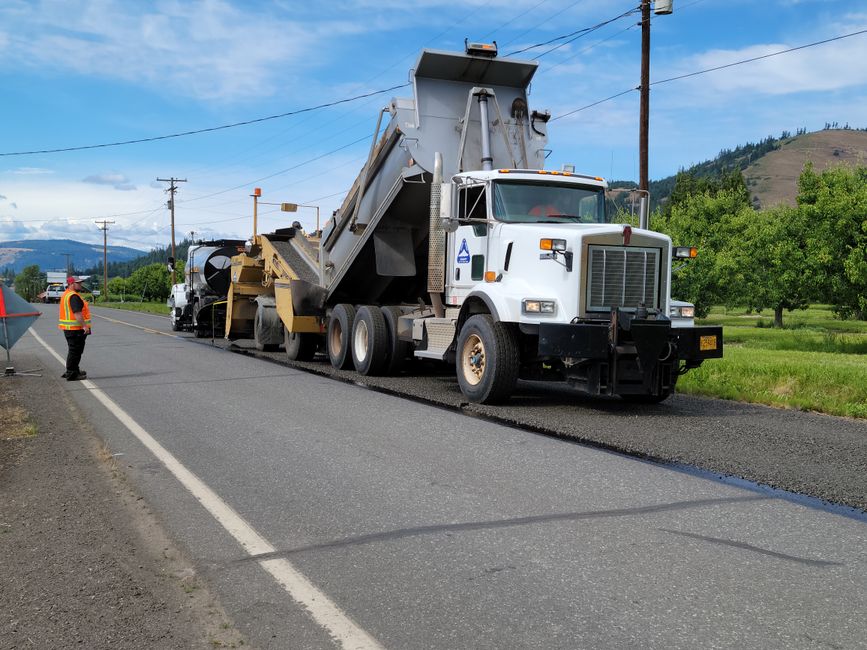
- Site assessment and layout. The contractor evaluates drainage, slope, soil conditions, and access for equipment. Property lines and utility locations are confirmed before any digging begins.
- Excavation and grading. The existing surface—soil, gravel, or old pavement—is removed to the required depth. The subgrade is graded to direct water away from structures.
- Base installation and compaction. A crushed stone base (typically 4 to 8 inches for driveways) is laid in lifts and compacted. This base carries the load of vehicles and prevents future rutting and cracking.
- Binder course (optional for heavier use). Larger projects or driveways carrying heavy vehicles may receive a base layer of coarser asphalt before the surface course.
- Surface course. Hot-mix asphalt is laid at a depth of roughly 2 to 3 inches for residential driveways, then compacted with rollers while still hot.
- Finishing and curing. Edges are shaped, joints are sealed, and the surface is left to cure. Driveways are typically ready for light foot traffic within a day and vehicles after a few days, depending on weather.
Each of these stages contributes to the lifespan of the pavement. Skipping or shortening the base preparation is the most common reason asphalt fails prematurely—so when comparing quotes, pay close attention to base depth and compaction details, not just the asphalt thickness.
Why Asphalt Is a Popular Choice for East Millstone Properties
East Millstone is a historic village within Franklin Township, Somerset County, characterized by a mix of older homes, larger rural parcels, and proximity to the Millstone River. These characteristics shape why asphalt is often the material of choice for local property owners:

- Cost efficiency. Asphalt typically costs less per square foot to install than concrete or pavers, making it attractive for longer driveways common on larger lots.
- Speed of installation. Most residential driveways can be paved in one to two days, minimizing disruption.
- Easy repair and resurfacing. Crack sealing, patching, and periodic overlay extend the life of asphalt far more economically than replacing concrete slabs.
- Smooth, quiet surface. Asphalt offers a quieter ride and a clean appearance that complements both historic and newer homes.
- Cold-weather flexibility. Asphalt can be installed across a longer season than many alternative materials, though local contractors generally avoid paving in the coldest winter weeks.
That said, asphalt is not maintenance-free. In New Jersey's freeze-thaw climate, owners should expect to sealcoat every few years and address cracks promptly to protect the investment.
Climate and Site Conditions in East Millstone
Understanding local conditions is essential for planning a pavement that lasts. East Millstone sits in a region with four distinct seasons, significant winter freezing, and spring thaws that can stress pavement.

Freeze–Thaw Cycles
Water that seeps into small cracks expands when it freezes, widening those cracks season after season. A well-compacted base, proper slope for drainage, and timely crack sealing are the best defenses. Contractors in the area typically recommend sealcoating every two to four years, depending on traffic and sun exposure.
Drainage and the Millstone River
Properties near the Millstone River or in low-lying areas need careful attention to stormwater runoff. Paving can increase runoff volume, so grading should direct water toward vegetated areas, swales, or approved drainage features rather than toward neighboring properties or foundations.
Soils and Subgrade
Central New Jersey soils can include clay-heavy areas that retain water and shift with the seasons. Where subgrade soils are weak or poorly draining, contractors may recommend a thicker stone base, geotextile fabric, or underdrainage to stabilize the pavement. A site visit—not just a phone estimate—is important for this reason.
Permits, Regulations, and Township Requirements
Before scheduling paving work, confirm what approvals your project needs. In Franklin Township, where East Millstone is located, driveways and paving projects may be subject to zoning and engineering review, particularly when they involve:
- New driveway connections to a public road or changes to an existing curb cut;
- Expansion of impervious coverage beyond zoning limits;
- Work within flood hazard areas or near regulated waterways;
- Stormwater management requirements for larger impervious surfaces.
Because regulations and fee schedules change, the best practice is to verify current requirements directly with the Franklin Township zoning and engineering offices before signing a contract. Reputable paving contractors will be familiar with local requirements and can often advise on the approval process, but the property owner remains responsible for obtaining permits.
Estimating Your Asphalt Paving Project
Accurate estimation is the foundation of a smooth project. In 2026, asphalt pricing fluctuates with oil markets, aggregate costs, and labor availability, so ballpark figures should always be refined with local quotes. Still, understanding the cost drivers helps you budget realistically and compare bids fairly.
Key Cost Drivers
- Area. Paving is priced largely by square foot. A 20-by-40-foot driveway (800 square feet) is a common benchmark for residential estimates.
- Base preparation. New construction requiring full excavation and stone base costs more than resurfacing over a sound existing base.
- Access and removal. Tight access, long haul distances for debris, and removal of old concrete or asphalt add to the cost.
- Grading and drainage. Sloped sites or drainage corrections require additional earthwork.
- Edging and finishes. Stone or concrete edging, aprons, and transitions to garages or streets affect the total.
- Season and scheduling. Peak-season scheduling may carry a premium; off-season planning can sometimes yield better availability.
Plan Before You Price
One of the most common mistakes property owners make is requesting quotes without a clear design. Contractors bid more accurately—and homeowners compare bids more meaningfully—when the project scope is defined: dimensions, layout, base requirements, drainage approach, and finish details. Tools like Property Improvement Estimator let you sketch your project directly on a property map, calculate the scope, and generate planning price ranges before you contact contractors. This approach reduces guesswork, helps you spot bids that are unrealistically low, and gives contractors a clear brief to price.
What a Typical Estimate Includes
A complete paving quote should itemize excavation, base material and depth, asphalt thickness and mix, compaction, edging, cleanup, and any permit-related responsibilities. Ask whether the price includes disposal of old material and whether a written warranty covers workmanship. Also ask how the contractor handles unforeseen subgrade issues—a common source of mid-project change orders.
Maintenance That Protects Your Investment
Asphalt in East Millstone can last 15 to 25 years or more with proper care. A simple maintenance routine makes the difference:
- Keep it clean. Sweep or rinse debris, and avoid power-washing at high pressure, which can erode the surface.
- Seal cracks promptly. Small cracks filled early prevent water intrusion and freeze damage.
- Sealcoat on schedule. Every two to four years, depending on wear, restores the protective surface and improves appearance.
- Manage weight and parking. Heavy trucks, trailers, and repeated turning in the same spot stress pavement; consider reinforced edges where heavy loads park.
- Watch drainage. Keep gutters, swales, and driveway edges clear so water flows where it should.
For properties that include active recreation—such as a basketball or sport court approach—planning pavement that supports athletic use may benefit from guidance on surface standards and safety. Resources from organizations such as the American College of Sports Medicine can inform broader decisions about activity spaces and safe surfaces, though paving specifications should always come from a qualified local contractor.
Choosing a Paving Contractor
With a defined scope and planning estimate in hand, you are ready to request quotes. When evaluating contractors in the East Millstone area, look for:
- Valid New Jersey registration and insurance certificates;
- Local references and examples of comparable work;
- Written, itemized proposals rather than verbal estimates;
- Clear timelines, including weather contingencies;
- A written workmanship warranty and a defined maintenance plan.
Obtain at least three quotes based on the same scope, and ask each contractor to explain their base preparation approach. The lowest bid is rarely the best value if it skimps on excavation, stone depth, or compaction. Reading a guide like Asphalt Paving Companies: Find the Right One can help you ask the right questions and vet each bidder thoroughly.
Conclusion
Asphalt paving is a sound investment for East Millstone homeowners and property owners seeking durable, cost-effective driveways and paved areas. Success depends on three things: a well-prepared base, design and drainage suited to local soils and freeze-thaw cycles, and a clear project scope that lets you compare contractor bids with confidence. Start by planning your layout and estimating your price range in 2026, confirm local permit requirements with Franklin Township, and then request quotes from qualified local pavers. With thoughtful planning and routine maintenance, a new asphalt surface can serve your property reliably for decades.