Asphalt Paving in Chimney Rock: a 2026 Guide

Asphalt paving is one of the most practical and cost-effective ways to create durable driveways, parking areas, and access roads on a property. If you own land or a home near Chimney Rock, North Carolina—or you're planning a project in a similarly rugged, scenic area—understanding how asphalt paving works, what it costs, and how to plan it properly can save you significant time and money. This guide walks homeowners and property owners through the essentials of asphalt paving in a Chimney Rock context, from site conditions and materials to planning, budgeting, and requesting contractor quotes. For a closer look at what paving projects cost in comparable markets, see this guide to asphalt pavement in Corbin, Ky.
What Makes Asphalt Paving a Smart Choice?
Asphalt—also called blacktop or hot-mix asphalt—is a paving material made from a blend of aggregate (crushed stone, gravel, and sand) and a bituminous binder. Once laid and compacted, it forms a smooth, flexible, and strong surface that handles vehicle traffic and weather extremely well. For residential and light commercial projects, asphalt offers several advantages:

- Cost efficiency: Asphalt typically costs less per square foot than concrete, making it a popular choice for long driveways and larger parking areas.
- Fast installation: A properly sized residential driveway can often be paved in a single day, with curing taking only a few days before regular use.
- Flexibility: Asphalt flexes slightly under load, which helps it resist cracking in areas with temperature swings.
- Easy maintenance: Small cracks and surface wear can be sealed and repaired relatively inexpensively compared with other hard surfaces.
- Smooth, clean appearance: A new asphalt surface gives a property a finished, well-maintained look that boosts curb appeal.
In mountainous and foothill regions like the area around Chimney Rock, asphalt's flexibility is particularly valuable. Ground movement, seasonal freeze-thaw cycles, and sloping terrain all put stress on paved surfaces, and asphalt handles these conditions better than many rigid materials.
Site Conditions Around Chimney Rock That Affect Paving
Chimney Rock sits in western North Carolina, near Lake Lure and the rugged terrain of the Blue Ridge foothills. Properties here often feature slopes, mature trees, rocky soil, and drainage challenges that don't exist on flat suburban lots. These factors directly influence how an asphalt paving project should be planned and priced.

Slope and Grading
Driveways on sloped land require careful grading so water drains away from the pavement and structures. A steep grade may need retaining walls, switchback designs, or additional drainage swales. Grading work adds cost, but it prevents water pooling—one of the most common causes of premature asphalt failure.
Soil and Subbase
Rocky or clay-heavy soil may require excavation and replacement with a proper compacted gravel subbase. The subbase is the foundation of any asphalt surface; skipping it leads to rutting and cracking. Contractors in hilly regions typically budget extra for site preparation and hauling.
Drainage and Water Management
Heavy rain events are common in the region, so drainage planning is essential. Culverts, French drains, and crowned pavement surfaces help direct water off the driveway and away from the home's foundation. Proper drainage design—much like the planning covered in this agriculture fence planning guide for Moorpark—is one of the best investments you can make in a long-lasting surface.
Tree Roots and Shade
Large trees near a planned driveway can cause root heaving and drop debris that traps moisture. If tree removal is needed, factor that into the project budget and timeline.
The Asphalt Paving Process, Step by Step
Understanding the sequence of work helps you evaluate contractor proposals and set realistic expectations. A typical residential asphalt paving project follows these stages:
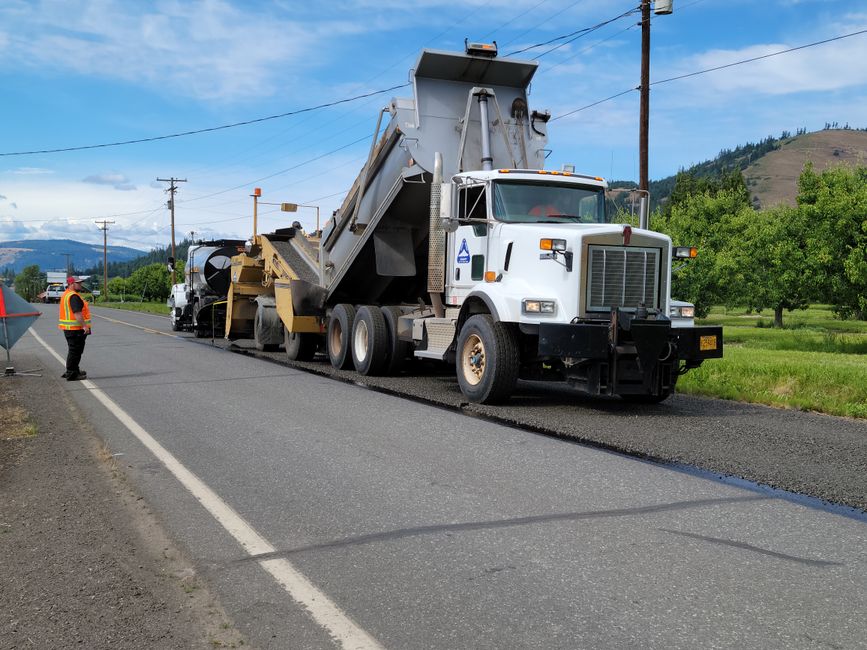
- Site assessment and design: The contractor measures the area, evaluates slope and drainage, and confirms the pavement thickness and layout.
- Excavation and grading: Topsoil and unsuitable material are removed, and the subgrade is shaped to the planned elevations.
- Subbase installation: A layer of compacted crushed stone (often 4–8 inches, depending on traffic and soil) provides a stable foundation.
- Binder course (base asphalt): A thicker layer of asphalt is laid and compacted to bear the main load.
- Surface course: A finer, smoother asphalt layer is applied on top for the finished appearance and weather resistance.
- Compaction and finishing: Rollers compact each layer to the specified density, and edges are finished.
- Curing and sealing: The surface cures over several days. A protective sealcoat is typically applied months later, once the asphalt has fully cured.
Pavement thickness matters. Driveways carrying only passenger vehicles usually need about 2–3 inches of compacted asphalt over a solid base, while areas used by heavy trucks or RVs require thicker sections. Reputable contractors specify thickness in writing so you know what you're paying for.
Cost Factors and Budget Planning
Asphalt paving costs vary widely by region, site conditions, and project size. In 2026, homeowners in mountainous parts of western North Carolina should expect pricing to reflect the extra labor and materials required for grading, drainage, and rocky terrain. Rather than relying on national averages, it's smart to build a project-specific estimate based on your actual property layout.
Key cost drivers include:
- Total square footage of the paved area
- Site preparation—clearing, excavation, and grading
- Subbase depth and material required by soil conditions
- Drainage features such as culverts or retaining walls
- Pavement thickness and asphalt mix design
- Access constraints for equipment on steep or narrow lots
- Permits and inspections, if required locally
- Optional extras like sealcoating, line striping, or lighting conduits
Because every property is different, the most reliable approach is to design your project first and then obtain competitive quotes based on that design. Tools that let you sketch your project on an aerial map—such as those offered by Property Improvement Estimator (PIE)—help you calculate project scope and get planning price ranges before you contact contractors. That way, every bid you receive is based on the same specifications, making comparisons far more meaningful.
It's also wise to plan for ongoing ownership costs. Budget for periodic sealcoating (typically every 2–3 years), crack filling, and eventual resurfacing. Over a 20–30 year horizon, regular maintenance dramatically extends the life of an asphalt surface.
Permits, Access, and Local Considerations
Before work begins, check with local authorities about any permits needed for driveway construction, grading, or stormwater management. Properties near protected areas, steep slopes, or water bodies may face additional review. If your driveway connects to a public road, the state or county may have specific requirements for the apron, sight distance, and culvert sizing.
Contractors should also be vetted carefully. Ask for proof of licensing and insurance, request references from nearby projects, and confirm that the quote clearly states pavement thickness, subbase depth, and drainage details. Weather also plays a role: asphalt is best placed in dry, warm conditions, so scheduling often works best in spring through fall.
How to Plan Your Asphalt Paving Project
A successful asphalt project starts with a clear plan. Here's a practical workflow for property owners:
- Define the layout: Measure the area you want paved and consider turning radii, parking needs, and connections to existing structures.
- Evaluate the site: Note slopes, drainage paths, trees, and any utilities that may need protection.
- Set a realistic budget range: Use planning tools and local input to establish a price range before soliciting bids.
- Request multiple quotes: Get at least two or three written bids based on the same design and specifications.
- Verify credentials and details: Confirm insurance, references, materials, and warranties in writing.
- Plan maintenance: Schedule sealcoating and inspections so the surface stays in good condition for decades.
For property owners who also maintain active outdoor spaces, keeping surfaces and facilities well planned pays off. Resources from organizations like the American College of Sports Medicine emphasize safe, well-designed activity areas—a reminder that thoughtful site planning supports health, safety, and property value alike.
Conclusion
Asphalt paving is a durable, cost-effective way to improve access and appearance on properties around Chimney Rock. Because the region's slopes, soil, and rainfall demand careful site preparation, the planning stage is where you'll save the most money and avoid headaches. Map out your layout, understand your site conditions, build a realistic budget range, and request itemized quotes from qualified local contractors. With a solid plan in hand in 2026, your new asphalt surface can serve your property reliably for decades.