Asphalt Paving Companies in Lake Hiawatha

Lake Hiawatha is a small, tight-knit community tucked inside Parsippany-Troy Hills, New Jersey, and its residential streets, driveways, and small commercial lots depend on durable asphalt surfaces to function safely and look their best. Whether you are a homeowner dealing with a cracked driveway or a property manager planning a parking area refresh, understanding how asphalt paving companies in Lake Hiawatha operate—and how to choose the right one—can save you money, time, and frustration. This guide explains what these contractors do, how pricing works in 2026, what local conditions affect asphalt performance, and how to plan and estimate a project before you ever pick up the phone.
What Asphalt Paving Companies in Lake Hiawatha Do
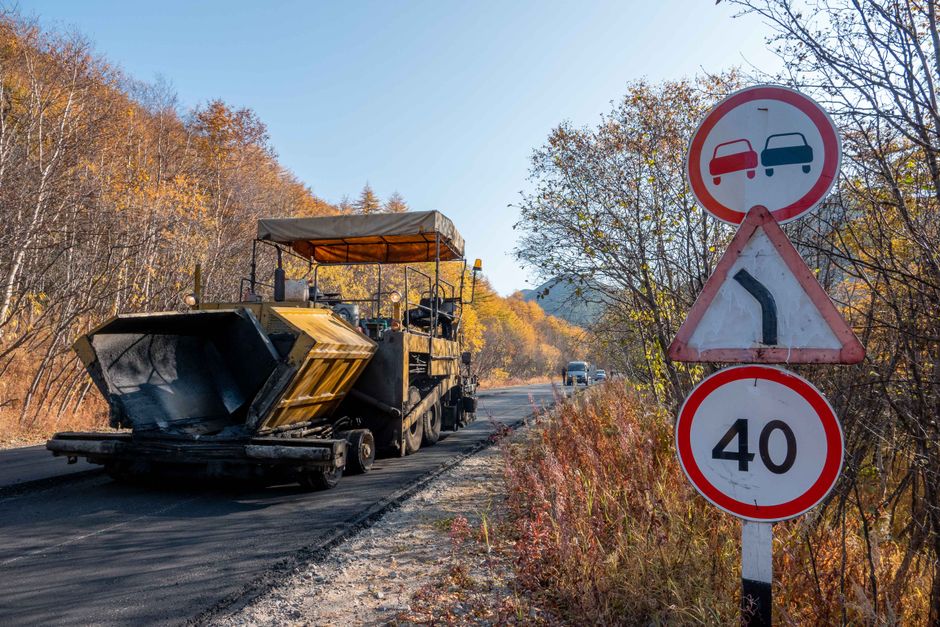
Asphalt paving contractors are specialists in installing, repairing, and maintaining surfaces made from asphalt concrete—a mixture of aggregate, sand, and asphalt binder. In a climate like northern New Jersey, the quality of that mixture and the prep work beneath it matter enormously. A reputable Lake Hiawatha paving company typically offers a range of services that fall into four broad categories:

- New installation: Full-depth paving of driveways, parking lots, private roads, and access lanes, including excavation, gravel base preparation, and compaction.
- Resurfacing (overlay): Adding a new asphalt layer over an existing sound surface to restore smoothness and appearance at a lower cost than full replacement.
- Repair work: Crack filling, pothole patching, infrared repair, and localized replacement of failed sections.
- Maintenance and preservation: Sealcoating, line striping, drainage improvements, and routine inspections that extend the life of a surface.
Good contractors also handle the less visible work that determines how long a surface lasts: grading for proper drainage, installing or repairing catch basins and French drains, and compacting base material in lifts. In Lake Hiawatha's older residential neighborhoods, many driveways were originally built with minimal base preparation, which is why some surfaces fail prematurely. Experienced pavers know to inspect for this before quoting a job.
Understanding Asphalt Costs in Lake Hiawatha in 2026
Pricing for asphalt work varies by project size, access, base condition, and season. As with most construction services, costs have risen in recent years due to material and fuel prices. While no two quotes are identical, the following ranges reflect typical 2026 expectations for residential and light commercial work in the Parsippany-Troy Hills area:

- New asphalt driveway (typical residential, 500–1,000 sq ft): Often quoted in the range of $4 to $9 per square foot installed, including base prep.
- Overlay/resurfacing: Generally $2.50 to $5 per square foot, depending on surface condition and thickness.
- Sealcoating: Commonly $0.15 to $0.30 per square foot, with most residential driveways costing $150 to $400.
- Crack filling: Frequently priced per linear foot, with minimum service charges common.
- Line striping: Priced per stall or per linear foot for lots and access lanes.
These figures are planning ranges, not firm quotes. Access matters: a driveway hemmed in by mature trees, retaining walls, or tight fencing can require smaller equipment and more labor, raising costs. Drainage corrections and base repairs are often the biggest variables. For larger or more complex projects—such as combining paving with retaining walls, lighting, fences, or site drainage—using a planning and estimation tool like Property Improvement Estimator (PIE) can help you map the property, define the scope, and generate a price range before requesting contractor bids.
How Local Climate and Soil Affect Your Asphalt
Northern New Jersey's freeze-thaw cycles are hard on asphalt. Water seeps into hairline cracks, freezes, expands, and pries the surface apart. Spring thaws soften subgrade soils, and heavy summer rain can undermine poorly drained areas. Lake Hiawatha's mix of older housing stock, mature tree canopy, and varied topography means contractors must pay close attention to:
- Drainage and grading: Surfaces should slope away from structures and toward appropriate drainage points.
- Tree roots: Shallow roots can lift and crack pavement; root-related repairs are common in established neighborhoods.
- Base stability: Clay-heavy soils common in parts of Morris County retain water and may require extra gravel base or geotextile fabric.
- Sun exposure and shade: Heavily shaded areas dry more slowly and can be more prone to moss, algae, and freeze damage.
Reputable contractors tailor their methods to these conditions—for example, increasing base depth, improving subgrade drainage, or recommending a mix design suited to residential traffic. If a quote seems unusually low, ask what base preparation and drainage work is included.
How to Choose the Right Paving Contractor
Choosing a contractor is the single most important decision in any paving project. The lowest bid is rarely the best value if it skips base preparation or uses thin overlays that fail within a few seasons. Consider these steps:
- Verify licensing and insurance. New Jersey requires home improvement contractors to be registered with the state Division of Consumer Affairs. Ask for the registration number and a certificate of insurance showing general liability and workers' compensation coverage.
- Request local references. A contractor active in Lake Hiawatha and surrounding Parsippany neighborhoods should be able to point to recent work you can inspect in person.
- Get itemized written estimates. A professional quote specifies square footage, asphalt thickness, base preparation, drainage work, and cleanup—not just a lump sum.
- Ask about scheduling and season. Asphalt plants in the region typically operate from spring through late fall. Work done in cold weather or with cold-mix patching is temporary at best.
- Check warranty terms. Workmanship warranties of one to three years are common; understand what is and is not covered.
- Confirm cleanup and disposal. Removal of old pavement and debris should be included and clearly stated.
The Federal Trade Commission offers useful guidance on hiring contractors and avoiding home improvement scams at consumer protection resources. Taking time to compare at least three detailed bids is standard practice and will give you a realistic picture of fair market pricing.
Planning Your Project Before You Call a Contractor
The most successful paving projects begin with clear planning. Before contacting companies, define what you want: Is the goal to replace a failing driveway, expand parking, improve drainage, or refresh appearance before selling? Measure or map the area, note problem spots such as ponding water or cracked sections, and decide whether you want to bundle other improvements—retaining walls, lighting, fencing, or landscaping—into the same project.
Digital planning tools have made this step far easier. Property Improvement Estimator (PIE) lets homeowners and property owners design outdoor projects directly on a property map, calculate project scope, and obtain planning price ranges for asphalt, concrete, sport courts, lighting, fences, decks, pools, and retaining walls. Contractors also use the platform to connect with homeowners whose projects are already defined. Arriving at a contractor conversation with a mapped design and a budget range typically leads to more accurate quotes and fewer surprises.
Questions to Ask Before Signing
- How deep will the base be, and what compaction method will you use?
- What asphalt thickness and mix will be used for my project?
- How will you handle drainage and runoff?
- What is the expected timeline, and how will weather affect it?
- What does the warranty cover, and for how long?
- Will you handle permits if any are required?
Maintenance Tips to Protect Your Investment
A properly installed asphalt surface can last 15 to 25 years with care. In Lake Hiawatha's climate, routine maintenance is essential:
- Sealcoat after installation. New asphalt should cure for six to twelve months before sealcoating, then be resealed every two to three years.
- Fill cracks promptly. Small cracks become big problems after a winter or two of freeze-thaw cycling.
- Manage water. Keep gutters and drainage paths clear, and address ponding immediately.
- Avoid heavy loads on hot days. Park heavy vehicles or place jack stands on boards to prevent rutting in summer heat.
- Inspect annually. A quick spring walk-around can catch small issues before they become expensive repairs.
For homeowners who also maintain active outdoor spaces, organizations such as the American College of Sports Medicine emphasize the importance of safe, well-maintained surfaces for physical activity—a reminder that pavement quality affects more than curb appeal.
Conclusion
Asphalt paving companies in Lake Hiawatha serve a community where durable, well-drained surfaces are essential to both daily life and property value. Understanding the services available, realistic 2026 cost ranges, local climate challenges, and the questions worth asking will help you choose a qualified contractor and avoid costly mistakes. Start with careful planning—measure your project, define your scope, and use tools like Property Improvement Estimator to map your design and obtain a planning price range. Then request multiple itemized quotes from registered, insured local pavers. A well-planned, properly installed asphalt surface is an investment that can serve your property for decades.