Asphalt Overlays in Twin Falls, Id

Asphalt overlays are one of the most cost-effective ways to restore a worn, cracked, or faded paved surface in Twin Falls, Idaho. Instead of tearing out an entire driveway, parking lot, or sport court and starting over, an overlay adds a fresh layer of asphalt on top of the existing base. The result is a smooth, durable surface that looks new and performs well for years.
This guide explains what an asphalt overlay is, when it makes sense in the Twin Falls climate, how the process works, what it costs, and how to plan and estimate your project before you request contractor quotes.
What Is an Asphalt Overlay?
An asphalt overlay — sometimes called resurfacing or a "mill and overlay" when part of the old surface is ground away first — is a new layer of hot-mix asphalt placed over an existing asphalt pavement. The old surface acts as the base, and the new layer restores a smooth, uniform driving or walking surface.
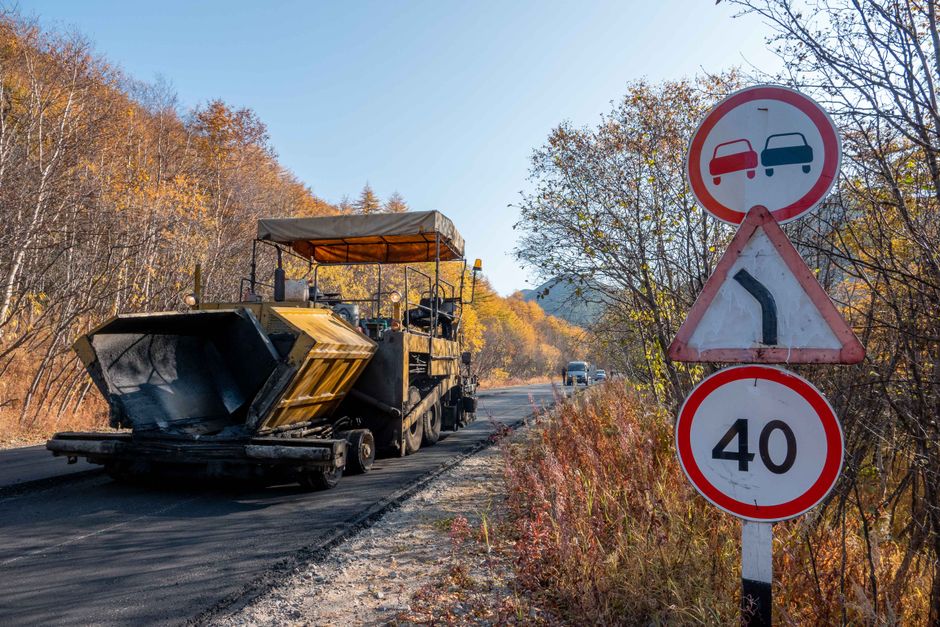
Overlays are different from full replacement. With full replacement, crews remove the existing asphalt down to the gravel base, re-grade and re-compact the base, and then lay entirely new asphalt. Overlays skip most of that demolition, which saves both time and money when the underlying base is still structurally sound.
There are two main approaches:
- Standard overlay: The existing surface is cleaned and repaired, a tack coat (bonding agent) is applied, and a new asphalt layer is placed directly on top. This adds thickness and elevation to the pavement.
- Mill and overlay: A milling machine grinds off a portion of the top layer — typically 1.5 to 2 inches — before the new asphalt is installed. This keeps the finished surface at roughly the same height, which matters for drainage, curbs, and transitions to garages or sidewalks.
Choosing between the two depends on the condition of the existing pavement, how the surface meets surrounding structures, and drainage considerations.
When Does a Twin Falls Property Need an Overlay?
Twin Falls sits in south-central Idaho, where the climate swings between hot, dry summers and cold winters with freeze-thaw cycles. That combination is hard on asphalt. Pavement expands in the heat, contracts in the cold, and moisture works its way into cracks, where it freezes and pushes the surface apart.
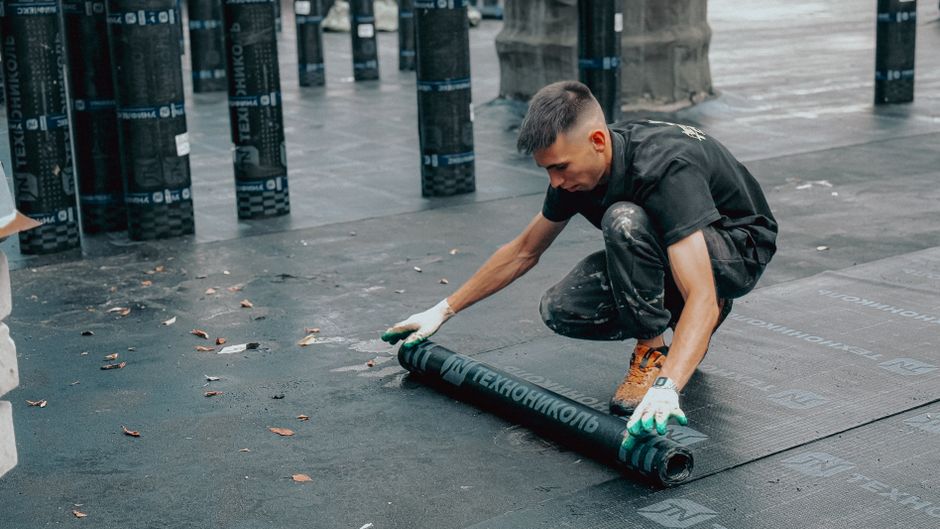
Common signs that an overlay may be the right solution include:
- Surface cracking: Alligator cracking, hairline cracks, and weathered surface cracks that haven't yet reached the base.
- Faded or oxidized asphalt: Gray, dried-out pavement that has lost its binder and no longer looks black.
- Minor rutting or depressions: Shallow wear patterns from traffic, provided the subbase is still stable.
- Rough, uneven texture: Surfaces that have become bumpy or pitted over time.
- Cosmetic aging: A driveway or lot that is structurally fine but looks tired.
An overlay is generally not the right choice when the base has failed. If you see deep potholes, large areas of sinking or heaving, widespread alligator cracking, or water pooling that never drains, the problem is underneath the asphalt. In those cases, patching or full reconstruction is usually the better investment, because an overlay placed over a failing base will simply crack again.
The Asphalt Overlay Process, Step by Step
Understanding the sequence helps you evaluate contractor proposals and plan realistic timelines. A typical residential or commercial overlay in Twin Falls follows these stages:

- Assessment and measurement. A contractor inspects the pavement, identifies the extent of cracking and base damage, and measures the area to be overlaid in square feet.
- Cleaning and prep. The surface is swept and blown clean of dirt, debris, and loose material. Any vegetation growing through cracks is removed.
- Crack repair and patching. Existing cracks are filled, and localized failures are patched so the new layer has a stable foundation.
- Milling (if specified). For a mill-and-overlay, the top portion of asphalt is ground off to make room for the new layer and to restore proper elevations.
- Tack coat. A thin layer of asphalt emulsion is sprayed on the old surface so the new asphalt bonds to it rather than sliding or delaminating.
- Placing the new asphalt. Hot-mix asphalt is laid with a paver and compacted with rollers. Thickness typically ranges from 1.5 to 2 inches for a residential overlay, though heavier commercial traffic may call for more.
- Finishing and curing. Edges are trimmed, transitions are feathered, and the surface is left to cure. Most overlays can handle light foot traffic the same day and vehicle traffic within a day or two, depending on weather.
Most residential driveway overlays are completed in a single day, while larger parking lots may take several days depending on square footage and site access.
How Much Does an Asphalt Overlay Cost in Twin Falls?
Costs vary with the size of the project, the thickness of the new layer, whether milling is required, site access, and the amount of prep work needed. As a general planning range, asphalt overlays typically price out per square foot, and larger projects usually cost less per square foot because setup and mobilization are spread across more area. For a closer look at how paving costs break down, this guide to asphalt paving costs and planning walks through the same factors in detail.
Factors that push costs higher include:
- Milling. Grinding the surface adds equipment and labor.
- Extensive patching. Every failed area that needs repair before the overlay adds cost.
- Thicker asphalt. Commercial lots and heavy-use areas need more material.
- Drainage corrections. Re-grading for positive drainage may be necessary.
- Access and logistics. Tight spaces, steep grades, or sites far from the plant can raise the price.
- Season. Asphalt plants operate seasonally in Idaho, and demand peaks in late spring and summer, which can affect scheduling and pricing.
Because ranges shift with material and fuel prices, the most reliable approach is to define your exact project scope first — square footage, thickness, and any repairs — and then collect local quotes based on that specification. That way, every contractor is bidding on the same work.
Overlays vs. Other Pavement Options
An overlay is only one option for restoring pavement. Here's how it compares to the alternatives:
- Full replacement: The most durable and longest-lasting option, but also the most expensive and disruptive. Best when the base has failed.
- Sealcoating: A thin protective coating that protects healthy asphalt and improves appearance. It cannot fix structural problems or significant cracking, and it is a maintenance step rather than a repair.
- Patching: Good for isolated problem areas, but it leaves a patchwork appearance and doesn't restore the whole surface.
- Overlay: The middle ground — substantially cheaper than replacement, far more restorative than sealcoating, and it delivers a uniform new surface.
Many property owners combine strategies: overlay the pavement now to buy 10 to 15 years of service life, then keep it protected with regular sealcoating and crack filling. If you want to understand the maintenance side of that plan, this homeowner's guide to asphalt maintenance covers sealcoating schedules, crack filling, and seasonal care.
Beyond Driveways: Overlays for Courts, Lots, and More
Asphalt overlays aren't limited to driveways. In Twin Falls, overlays are commonly used for:
- Parking lots at retail centers, churches, offices, and apartment complexes.
- Sport courts — tennis, basketball, and pickleball courts often sit on asphalt that can be resurfaced and then re-coated with acrylic surfacing in the color and line pattern of your choice.
- Private roads and long lanes on rural properties.
- Commercial entrances and service areas that see heavy vehicle traffic.
For sport courts, the overlay is usually just the first step. Once the new asphalt cures — often 30 days or more — a multi-layer acrylic coating system is applied, along with the striping for the specific sport. If you're planning a court, it helps to think about the full build: base, asphalt, surfacing, net posts, fencing, and lighting. Resources on activity and facility planning, such as the American College of Sports Medicine, can help you think through how the space will actually be used before you commit to a layout.
How to Plan and Estimate Your Overlay Project
Good projects start with a clear scope. Before you call contractors, work through these questions:
- How many square feet? Measure the length and width of the paved area, or use a mapping tool to trace the exact footprint.
- What's the condition? Note cracks, potholes, sunken areas, and drainage problems so you can describe them accurately.
- Is milling needed? Check how the pavement meets your garage, sidewalk, curbs, and any transitions — elevation matching often determines this.
- What's the target thickness? Residential overlays typically run 1.5 to 2 inches; commercial areas may need more.
- Will you add extras? Striping, sealcoating, drainage improvements, or court surfacing should be priced as part of the same plan.
This is where a tool like Property Improvement Estimator (PIE) is useful. PIE lets you design and plan outdoor property improvements — including asphalt, concrete, sport courts, lighting, fences, decks, pools, and retaining walls — directly on a property map. You trace your actual project footprint, define the scope, and get a planning price range instantly. Then you can request quotes from local contractors based on the specific design you've built, rather than vague verbal descriptions. Proper asphalt grading is also part of getting drainage right, so it pays to plan that alongside the overlay.
The advantage is consistency. When several Twin Falls contractors bid on the same clearly defined overlay — same square footage, same thickness, same prep scope — you can compare quotes apples to apples and avoid the surprise change orders that come from ambiguous plans.
Maintaining Your New Overlay
An overlay can last 10 to 15 years or more with basic care. Keep these habits in place:
- Sealcoat every 2 to 3 years to protect the new asphalt from UV oxidation and moisture.
- Fill cracks promptly, especially before winter freeze-thaw cycles begin.
- Keep water moving away from the pavement by maintaining gutters, swales, and positive drainage.
- Avoid heavy static loads, such as dumpsters or trailer jacks, sitting in one spot during hot summer weather.
- Clean up snow and ice carefully, using plastic-edged shovels where possible and avoiding metal blades that gouge the surface.
Conclusion
For many properties in Twin Falls, Idaho, an asphalt overlay is the smart middle path between expensive full replacement and cosmetic sealcoating. It restores a smooth, uniform surface, extends the life of your pavement, and costs a fraction of what reconstruction would. The keys to a successful project are an honest assessment of the existing base, a clearly defined scope, and competitive quotes from local contractors bidding on the same plan.
Start by mapping your project, measuring the area, and estimating your price range — then reach out for quotes with confidence. A well-planned overlay today can keep your driveway, parking lot, or sport court looking and performing its best well into the 2030s.