Asphalt Maintenance in Loughman: a Homeowner's Guide

If you own property in Loughman, Florida, you already know that the state's intense sunshine, seasonal thunderstorms, and warm, humid climate take a toll on paved surfaces. Asphalt driveways, parking pads, and access lanes are constantly exposed to heat, heavy rain, and shifting soil. Understanding how to care for these surfaces is one of the smartest investments a property owner can make, because proactive asphalt maintenance in Loughman costs far less than full replacement.
This guide explains what asphalt maintenance involves, why the local climate makes it especially important, how to budget for it, and how to plan the work before you hire a contractor.
Why Asphalt Needs Regular Maintenance
Asphalt is a flexible pavement made from aggregate bound together with bitumen, a petroleum-based binder. That flexibility is a strength, but it also means asphalt responds to temperature and moisture. Over time, the binder oxidizes and hardens, aggregate begins to loosen, and small cracks appear. Water seeps into those cracks, and when temperatures fluctuate, the water expands and contracts, widening the damage.
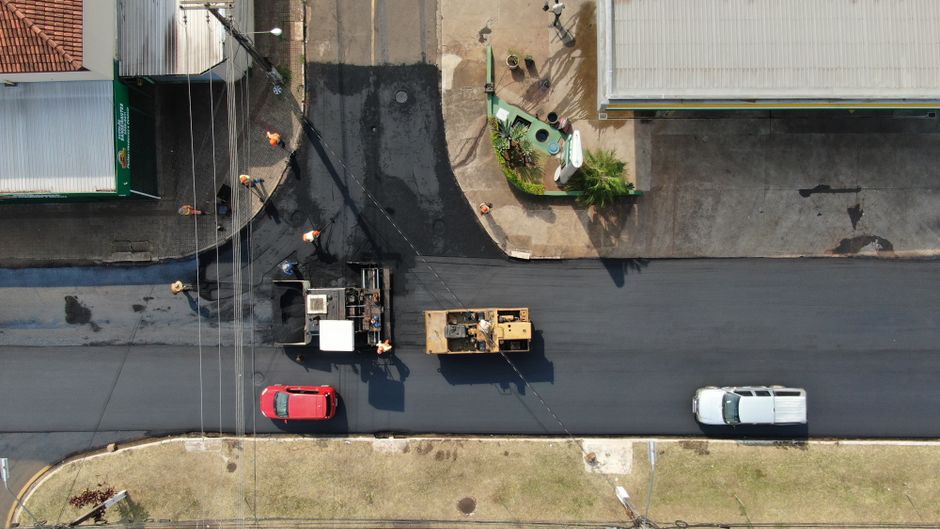
Left alone, minor surface problems become structural failures. A hairline crack can grow into a pothole. A slightly sunken area can become a trip hazard or a drainage problem. Regular maintenance interrupts this cycle. The core goals of any asphalt program are simple:
- Seal the surface against water intrusion.
- Fill cracks before they spread.
- Restore drainage so water moves off the pavement.
- Reinforce the base where settlement has occurred.
- Extend service life and delay costly replacement.
Industry professionals often compare asphalt maintenance to preventive healthcare. Small, routine treatments have an outsized effect on longevity, while neglect leads to expensive interventions.
The Loughman Climate Factor
Loughman sits in central Florida, within Polk County, where summers are long, hot, and humid, and afternoon thunderstorms are common from late spring through early fall. This environment creates a specific set of stresses for asphalt:

Heat and Oxidation
Prolonged high temperatures accelerate oxidation, the process that makes asphalt brittle. A driveway that might last 20 years in a cooler climate can show significant aging in 10 to 15 years in Florida if it is not maintained.
Heavy Rain and Drainage
Intense rainfall tests every drainage feature of a paved surface. If water pools on asphalt or along its edges, it weakens the subbase and speeds up deterioration. Proper grading and edge maintenance are essential in this region, similar to the principles covered in this guide to asphalt grading in Cottonwood, Az.
Soil Movement
Many central Florida properties sit on sandy or clay-rich soils that expand and contract with moisture changes. That movement can cause asphalt to crack and settle unevenly, especially around the edges of driveways and where pavement meets concrete or landscaping.
Vegetation and Roots
Loughman's lush plant life is beautiful, but tree roots can lift pavement, and shade combined with moisture can encourage moss and algae growth, which makes surfaces slippery and traps moisture against the asphalt.
Core Asphalt Maintenance Services
Whether you manage a residential driveway or a small commercial lot, most maintenance programs draw from the same set of services. Understanding each one helps you evaluate contractor recommendations and plan a realistic budget.
1. Sealcoating
Sealcoating applies a protective layer of emulsified asphalt, water, and additives over the existing surface. It restores a dark, uniform appearance and shields the binder from sun and water. Sealcoating is typically recommended every two to four years in Florida's climate, though timing depends on traffic and sun exposure.
New asphalt should generally cure for several months before the first sealcoat. Applying sealcoat too early can trap solvents and cause problems.
2. Crack Filling and Crack Sealing
Crack filling uses a cold-pour or hot-pour sealant to fill non-working cracks, while crack sealing addresses cracks that open and close with temperature changes. In Loughman, where surface temperatures swing significantly, crack sealing is a valuable preventive step. The general rule is to treat cracks wider than about a quarter inch before water can penetrate the base.
3. Pothole and Patch Repair
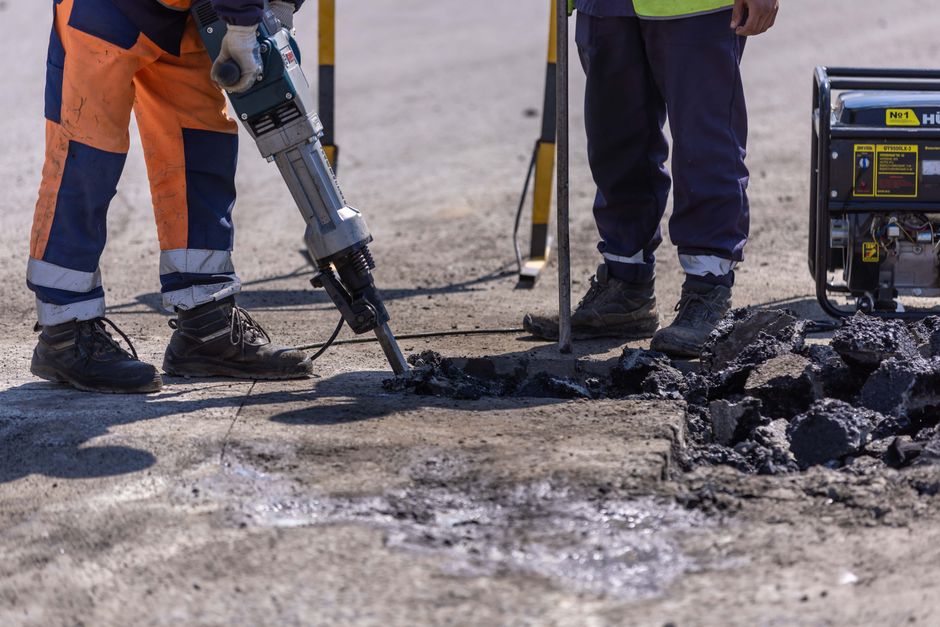
Potholes form when water reaches the subbase and traffic loosens the material beneath the surface. Repair involves removing loose debris, squaring the edges of the damaged area, and filling with compacted asphalt patch material. Deep or recurring potholes often signal a base failure that requires more extensive repair.
4. Resurfacing (Overlay)
An overlay places a new layer of asphalt over the existing pavement. This is a mid-range option between maintenance and full replacement. Overlays are effective when the underlying base is still sound but the surface is heavily worn or cracked.
5. Full Replacement
When the subbase has failed across a large area, replacement is often the most cost-effective long-term solution. This involves removing the old pavement, repairing or rebuilding the base, and laying new asphalt.
6. Drainage Improvements
Correcting grading, clearing swales, and adding or repairing drainage channels can prevent the water damage that drives most asphalt deterioration in Loughman.
7. Cleaning and Vegetation Control
Routine cleaning removes debris, and managing weeds and roots along edges prevents the gradual encroachment that undermines pavement.
How Often Should You Maintain Asphalt?
Maintenance schedules vary by use, age, and site conditions, but a general framework for Loughman properties looks like this:
- Annually: Inspect for cracks, potholes, drainage issues, and vegetation growth. Clean the surface and edges.
- Every 2–4 years: Sealcoat, depending on wear and sun exposure.
- As needed: Fill cracks promptly, ideally before the rainy season begins.
- Every 10–20 years: Plan for an overlay or replacement, depending on how well the surface has been maintained.
Properties with heavy traffic, such as commercial lots or multi-vehicle driveways, typically need more frequent attention than a single-family home with light use. For a closer look at how these schedules play out on residential properties, see this homeowner's guide to asphalt maintenance in Kathleen.
Planning and Budgeting Your Asphalt Project
One of the biggest challenges for property owners is figuring out what a project should cost before calling contractors. Without a baseline, it is difficult to compare bids or know whether a proposal is reasonable. Here are practical steps to plan effectively.
Measure and Map the Area
Start by determining the square footage of the pavement you want to maintain or replace. Include driveways, parking areas, turnaround spaces, and any connecting walkways. Accurate measurements are the foundation of any estimate.
Identify the Scope of Work
Decide whether you need routine maintenance (sealcoating, crack filling), mid-level repair (patching, overlays), or full replacement. Photograph problem areas such as large cracks, potholes, and areas where water pools. This documentation helps contractors give accurate quotes.
Get a Planning Price Range
Online planning tools can help you convert your measurements and chosen scope into a rough price range. This range is not a final bid, but it gives you a realistic starting point and helps you decide whether to phase the work over multiple seasons.
Request Local Quotes
Once you have a clear picture of the project, request quotes from several local contractors. Because you already know your square footage and scope, you can compare bids on equal footing and spot outliers.
For property owners planning broader outdoor improvements alongside asphalt work, tools that let you design projects directly on a property map can streamline the process. Property Improvement Estimator, for example, allows users to plan sport courts, concrete, asphalt, lighting, fences, decks, pools, and retaining walls on a map, calculate project scope, obtain planning price ranges, and then request local quotes based on their designs.
Maintenance Beyond Asphalt: Adjacent Surfaces
Asphalt rarely exists in isolation. Driveways meet concrete aprons, garage slabs, and walkways. Sport courts, parking pads, and access roads may share borders with landscaping or retaining walls. Damage at these transition points is common because different materials expand and contract at different rates.
When planning asphalt maintenance, it is worth inspecting adjacent surfaces at the same time. A cracked concrete apron or a failing retaining wall can direct water onto your asphalt and undermine your maintenance investment. Addressing these issues together often saves money compared to tackling them separately.
Choosing a Contractor in Loughman
Working with a qualified, local contractor is essential for quality results. Consider these factors when evaluating bids:
- Local experience: Contractors familiar with central Florida soils, rainfall patterns, and heat cycles understand the specific challenges your pavement faces.
- Licensing and insurance: Verify credentials and confirm liability and workers' compensation coverage.
- References: Ask for recent projects in the area and, when possible, view completed work.
- Detailed proposals: A good bid specifies materials, preparation steps, timeline, and warranty terms.
- Clear communication: Contractors should explain why they recommend a particular approach and answer your questions.
Beware of unusually low bids that omit essential preparation steps. Proper crack cleaning, edge repair, and surface preparation are what make sealcoating and patching last. If you want to understand how sealcoating fits into a complete maintenance plan, this overview of asphalt driveway sealcoating in Arden on the Severn is a useful reference.
The Cost of Waiting
Deferring asphalt maintenance usually increases costs. A driveway that could have been protected with a sealcoat and crack filling may eventually need a full overlay or replacement. The math is straightforward: preventive maintenance is almost always cheaper than corrective reconstruction.
There is also a safety dimension. Cracked, uneven pavement creates trip hazards, and potholes can damage vehicles. For commercial properties, poorly maintained parking areas affect customer impressions and can raise liability concerns.
For property owners thinking about broader improvements, resources such as the American College of Sports Medicine highlight the importance of well-maintained surfaces for active recreation, reinforcing that surface quality matters for both safety and usability.
Seasonal Timing for Asphalt Work in Loughman
Timing affects results. Sealcoating and crack sealing need adequate curing conditions. In central Florida, the best windows are typically during drier, milder stretches. Heavy rain soon after application can wash away fresh sealant, and extreme heat can complicate curing.
Many property owners schedule inspections in late winter or early spring, then complete sealcoating and crack filling before the peak of the rainy season. This approach protects the pavement through the wettest months, when water damage risk is highest.
If your project involves significant grading or drainage work, coordinating with the dry season helps contractors complete excavation and compaction properly.
Building a Long-Term Asphalt Plan
Rather than reacting to problems, consider creating a simple long-term plan for your pavement. A written plan might include:
- An annual inspection checklist with dates.
- A maintenance calendar for sealcoating and crack filling.
- A reserve fund for eventual overlay or replacement.
- Records of past work, including materials used and contractors hired.
- Photos documenting the pavement's condition over time.
This kind of planning makes budgeting predictable and helps you avoid emergency spending. It also demonstrates good stewardship if you ever sell the property.
Conclusion
Asphalt maintenance in Loughman is a practical necessity given the region's heat, heavy rain, and shifting soils. Sealcoating, crack filling, patching, and drainage improvements protect your investment and extend the life of driveways, parking areas, and access lanes. The key is to act early, plan your budget with accurate measurements and realistic price ranges, and work with qualified local contractors who understand Florida conditions.
Whether you are maintaining an existing driveway or planning a larger outdoor project, taking a measured, map-based approach to planning helps you visualize the work, estimate costs, and request quotes with confidence. Start with an inspection this season, document what you find, and build a maintenance schedule that keeps your pavement in good shape for years to come.