Asphalt Grading in Cottonwood, Az: a 2026 Guide

If you own property in Cottonwood, Arizona, you already know that the high desert climate is beautiful but demanding. Long, intense summers, wide temperature swings between day and night, and the seasonal monsoon storms all put stress on outdoor surfaces. Asphalt is one of the most cost-effective and durable options for driveways, parking areas, and access roads in the Verde Valley — but only when it is graded correctly from the start. This guide explains what asphalt grading is, why it matters so much in Cottonwood, how much you can expect to pay in 2026, and how to plan a project that performs for decades.
What Is Asphalt Grading?
Grading is the process of shaping and leveling the ground beneath and around an asphalt surface. It is the foundation work that happens before a single ton of asphalt is placed. When people talk about "asphalt grading" in Cottonwood, they usually mean a combination of three related tasks:
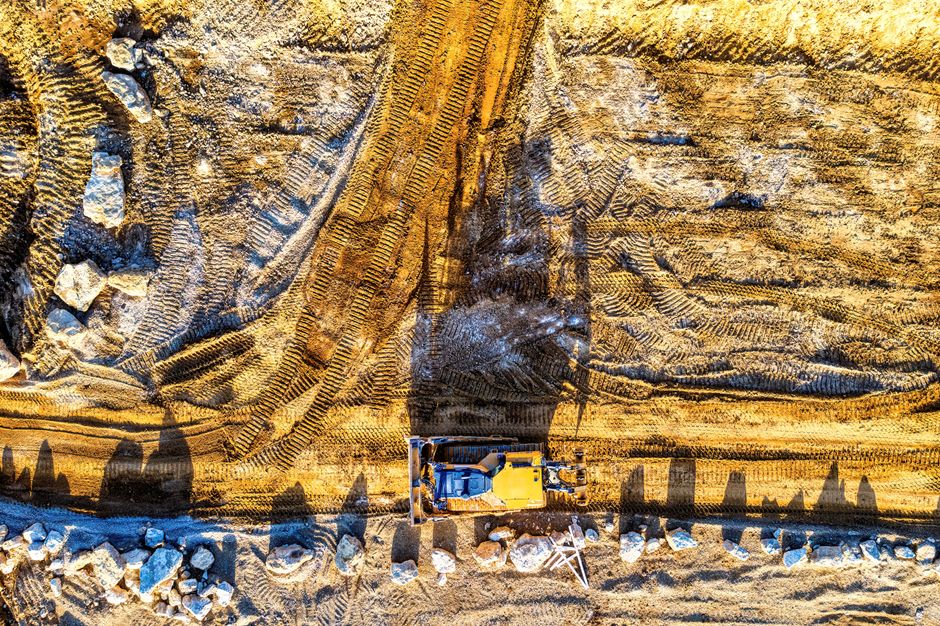
- Subgrade preparation: Removing vegetation, rocks, and soft soil, then compacting the exposed earth so it can carry the weight of vehicles without settling.
- Slope and drainage grading: Shaping the ground to a specific slope (called a "fall" or "cross-slope") so water runs off the asphalt instead of pooling on it or seeping underneath.
- Base course grading: Spreading and compacting a layer of crushed aggregate — usually called base rock or ABC (aggregate base course) — on top of the subgrade. This is the structural layer that actually supports the asphalt.
In short, grading creates the shape and strength of everything that sits on top of it. Asphalt is only a few inches thick; the grading and base beneath it do most of the heavy lifting.
Why Grading Matters More in Cottonwood Than Almost Anywhere
Cottonwood sits at roughly 3,300 feet in elevation in the Verde Valley, and its climate creates specific challenges for asphalt. Understanding these helps explain why grading standards here are stricter than in milder parts of the country.

1. Extreme Heat and Solar Exposure
Summer temperatures in Cottonwood routinely exceed 100°F, and asphalt surfaces in direct sun can reach 140°F or higher. At those temperatures, asphalt softens. If the base beneath it is uneven or poorly compacted, the surface will rut, shove, and deform under parked vehicles. Proper grading and compaction are what keep a driveway stable even in July.
2. Expansive and Rocky Soils
Much of the Verde Valley is underlain by caliche, rocky alluvium, and clay-rich soils that expand when wet and contract when dry. That seasonal movement is brutal on pavement. Grading crews in Cottonwood typically need to over-excavate soft or expansive material and replace it with engineered fill, or stabilize the subgrade before building the base course.
3. Monsoon Drainage
Arizona's monsoon season, roughly June through September, can drop an inch of rain in under an hour. Without correct slope, that water has nowhere to go. It pools on the asphalt, softens the edges, and eventually works its way into the base. Once water gets trapped under asphalt, freeze-thaw is not the problem — erosion and pumping of fines are, and they destroy pavement from below. Grading that directs water away from the surface and away from the structure is the single most important defense.
4. Flash Flooding and Site Topography
Cottonwood's landscape includes washes and sloped lots. A driveway that crosses or drains toward a wash needs careful grading so that storm flows are intercepted and redirected rather than allowed to cross the pavement.
The Asphalt Grading Process, Step by Step
A well-run asphalt project in Cottonwood generally follows this sequence:
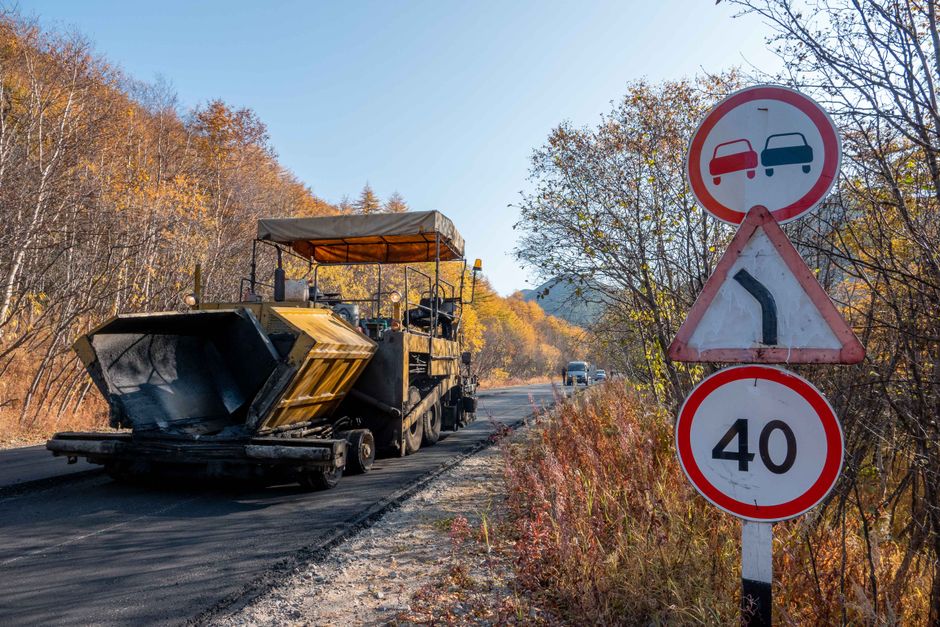
- Site assessment and layout. The contractor evaluates soil, drainage patterns, existing utilities, and the intended use (passenger cars versus heavy trucks). The driveway or lot is staked out.
- Clearing and grubbing. Vegetation, boulders, and organic material are removed. Organic matter decomposes and settles, so it must not be left under pavement.
- Excavation and subgrade prep. The area is cut to the required depth — typically 4 to 8 inches below finished grade for a residential driveway, more for commercial use. Soft spots are removed and replaced.
- Rough grading and compaction. The subgrade is shaped to the desired slope and compacted in lifts with a roller. Moisture content is controlled during compaction to achieve proper density.
- Base course placement. Crushed aggregate is spread in layers, typically 4 to 6 inches total for residential driveways, and compacted to at least 95% relative density.
- Fine grading. The base is brought to exact finished slope and smoothness. This is where drainage is truly set.
- Asphalt paving. Hot-mix asphalt is laid, usually 2 to 3 inches thick for residential work, and compacted.
- Edge treatment and final drainage checks. Edges are supported, and water flow is verified before the project is considered complete.
Each step depends on the one before it. Skipping or rushing grading is the most common reason asphalt fails early in the Verde Valley.
Common Asphalt Grading Problems in Cottonwood
Knowing what goes wrong helps you ask the right questions of any contractor.
- Insufficient slope. A minimum fall of about 1% to 2% (roughly 1/8 to 1/4 inch per foot) away from structures is standard practice; flat pavement is a guarantee of future puddles.
- Poor compaction. Under-compacted base settles unevenly, creating dips and cracks within a season or two.
- Inadequate base thickness. Saving money by thinning the base is false economy — the asphalt above it will fail.
- Water directed toward the house or garage. Grading must always move water away from foundations, not just off the pavement.
- No consideration for heavy loads. RV pads, trailer parking, and commercial lots need thicker base and asphalt than a standard car driveway.
- Ignoring existing washes. In Cottonwood, storm flow paths must be respected and designed around, not blocked.
Cost Expectations for Asphalt Grading in Cottonwood in 2026
Every property is different, but having a rough range helps you plan and compare bids. As of 2026, typical pricing in the Cottonwood and greater Verde Valley area tends to fall into these bands:
- Grading and base preparation only: approximately $2 to $5 per square foot, depending on excavation depth, soil conditions, and access.
- Full asphalt installation (grading plus base plus 2–3 inches of asphalt): roughly $6 to $12 per square foot for residential driveways.
- Commercial or heavy-duty applications: often $10 to $18 per square foot or more, given thicker sections and engineering requirements.
Factors that push costs higher include rocky or caliche-heavy ground, steep slopes that require cut-and-fill, long driveways, limited truck access, and the need to haul in imported base material. Costs go down when the site is relatively flat, easily accessible, and has competent native soil.
Because these variables swing so widely, the smartest approach is to measure your actual project area before you call anyone. That is exactly the kind of planning that Property Improvement Estimator (PIE) is built for — you can outline your driveway or parking area directly on a property map, see the square footage, and get a planning-level price range before you request quotes from local contractors. For a deeper look at how pricing and scope come together, see this asphalt driveway Vernon Center guide.
How to Plan an Asphalt Project Before You Hire
Good planning protects you from surprises and helps you get accurate bids. Here is a practical workflow for Cottonwood property owners in 2026:
- Define the use. Will this carry passenger cars, an RV, a trailer, or delivery trucks? Load determines thickness.
- Measure the area. Use a satellite-based planning tool to trace the exact footprint you want paved.
- Note the drainage. Identify where water currently flows and where it needs to go. This is where grading design begins.
- Get a planning price range. Use an estimator to translate square footage and project type into a budget range.
- Request local quotes. Compare at least three bids from licensed, insured contractors who understand local soils and monsoon drainage.
- Ask about warranties and references. A contractor confident in their grading will stand behind the work.
For property owners who also plan athletic surfaces, note that sports governing bodies such as the American College of Sports Medicine emphasize the importance of proper surface construction for safety and performance — the same principles of base preparation apply whether you are paving a driveway or a court. Residential projects in other regions follow a similar cost-planning logic, as shown in this asphalt driveway Pine Brook cost and planning guide.
Maintenance After Grading and Paving
Grading sets the stage, but maintenance keeps the pavement alive. In Cottonwood's climate, a few habits make a real difference:
- Sealcoat every 2 to 3 years. UV exposure oxidizes asphalt quickly in the desert; sealing slows that aging.
- Keep drainage paths clear. Debris and vegetation in swales or channels can reintroduce the water problems grading was designed to solve.
- Fill cracks promptly. Small cracks let monsoon water into the base, where it does the most damage.
- Avoid parking heavy equipment on hot days. Softened asphalt is easily deformed by point loads.
- Watch the edges. Unsupported edges crumble; adding soil or rock alongside can help.
Working With Local Contractors
Asphalt grading is not a generic service — it is highly site-specific. A contractor who works regularly in Cottonwood will understand local caliche, monsoon flow patterns, and the slope requirements that keep pavement dry. When evaluating bids, ask specifically:
- How deep will you excavate, and how thick will the base be?
- What slope will you build, and how will you verify drainage?
- How will you handle any soft or expansive soil you encounter?
- What is the compaction standard, and how is it tested?
Contractors, in turn, benefit from detailed project plans. When a homeowner arrives with a mapped outline and a realistic budget range, everyone saves time — and the bids that come back are far more comparable.
Conclusion
Asphalt grading is the invisible work that determines whether a driveway or parking area in Cottonwood lasts five years or twenty-five. Given the region's extreme heat, expansive soils, and powerful monsoon storms, proper subgrade preparation, adequate base thickness, and correct slope are not optional details — they are the whole game. Costs in 2026 generally range from a few dollars per square foot for grading alone to roughly $6–$12 per square foot for a complete residential installation, with commercial and heavy-duty work costing more. Thorough planning is the best insurance against early failure, as outlined in this 2026 asphalt grading guide for Bethesda, MD.
The best way to control both cost and outcome is to plan before you build. By mapping your project, defining its use, and obtaining a planning-level price range, you arrive at the contractor conversation informed and prepared. Whether you are paving a first driveway, expanding parking, or upgrading an access road, investing in professional grading design from the start is the decision that pays off every summer for years to come.