Asphalt Driveway Sealcoating in Arden on the Severn

Arden on the Severn is one of those Anne Arundel County communities where the trees came first and the driveways came second. Winding lanes, heavy shade, mature oaks and pines, and a waterfront setting along the Severn River create a beautiful place to live — and a genuinely punishing environment for asphalt. If your driveway was black and glossy when it was installed and is now gray, chalky, and flecked with small stones, sealcoating is the maintenance step that resets the clock.
This guide explains what sealcoating actually does, why Arden on the Severn properties have specific challenges, when to schedule the work in 2026, what it should cost, how to evaluate contractors, and how to plan the project properly before you ever pick up the phone.
What Sealcoating Actually Does
Asphalt pavement is a mixture of aggregate (stone, sand, gravel) bound together by asphalt cement, a heavy petroleum product. That binder is what gives the surface its flexibility and dark color. Left unprotected, the binder oxidizes when exposed to oxygen and ultraviolet light. It hardens, loses elasticity, and turns from black to gray. Once the binder is brittle, traffic and freeze-thaw cycles crack the surface and loosen the aggregate.

Sealcoat is a protective coating — typically an asphalt-emulsion or coal-tar-emulsion product mixed with water, silica sand, and additives — applied in one or more thin layers over a clean, prepared surface. It does several things:
- Blocks oxidation and UV damage. The coating sacrifices itself instead of the asphalt binder underneath.
- Restores a uniform dark appearance. A sealed driveway looks newer and improves curb appeal.
- Waterproofs the surface. Water that beads and runs off cannot as easily penetrate and undermine the base.
- Fills minor surface voids. Sand in the mix creates a skid-resistant, slightly textured finish.
- Makes cleanup and snow removal easier. A smoother surface sheds ice, and shovels and plows glide more predictably.
What sealcoating does not do is fix structural problems. It will not repair a failing subbase, correct drainage that sends water across the pavement, or hold together asphalt that is already alligator-cracked and crumbling. Sealcoat is a maintenance coating, not a structural repair. Understanding that distinction up front saves homeowners a lot of disappointment.
Why Arden on the Severn Driveways Age Faster
Sealcoating matters everywhere, but the specific conditions in and around Arden on the Severn shorten the maintenance interval compared to a sunbaked driveway in an open subdivision.
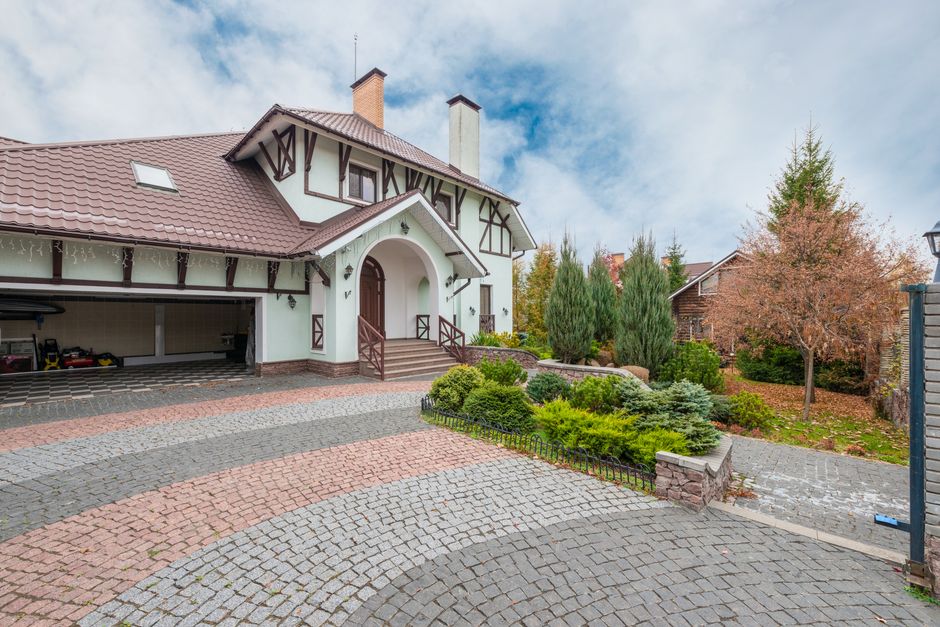
Tree canopy and shade
Heavy shade sounds protective, and it does reduce direct UV exposure. But shade also keeps pavement damp longer after rain and dew, which promotes moss, algae, and mildew growth on the surface. Organic debris — leaves, seed pods, pine needles, sap — breaks down and holds moisture against the asphalt. Leaf litter in particular creates weak, acidic pockets that accelerate surface deterioration. The tree canopy also drops grit and bark that abrades the surface and clogs cracks.
Waterfront humidity and freeze-thaw
Being close to the Severn River means higher ambient humidity year-round and more frequent dew cycles. Water is asphalt's most persistent enemy. It seeps into hairline cracks, freezes, expands, and widens them — the classic freeze-thaw cycle that Maryland's climate delivers repeatedly between December and March. Each cycle ratchets cracks open a little further, and small cracks become the entry points for larger failures.
Mature-root systems and soil movement
Large trees mean large root systems. Roots lift and shift pavement edges, and the soil beneath an aging driveway settles unevenly. Driveways that were flat when poured may now have low spots where water ponds — and standing water is the single most reliable predictor of premature asphalt failure.
Long, shaded driveways
Many Arden on the Severn properties have extended driveways that run from the road back through the trees to the house. More square footage means more surface to protect, more edge to maintain, and more total cost — but also more value in keeping the pavement in service rather than replacing it.
When to Sealcoat: Timing Rules That Matter
Scheduling is one of the most common mistakes homeowners make, in both directions.

New asphalt must cure first
Freshly installed asphalt needs to cure before it can be sealed. The general industry guidance is to wait a full season — often stated as 6 to 12 months, or one full summer — so the asphalt oils can flash off and the pavement can harden. Sealing too early traps solvents and can cause the coating to fail or the asphalt to remain soft. If your driveway was installed in late 2025, the 2026 season is likely your first appropriate window; confirm the paving contractor's warranty language, because some specify a minimum cure period.
The best seasonal window in Maryland
In Anne Arundel County, the practical sealcoating season runs from late spring through early fall. Ideal conditions are warm, dry, and sunny, with daytime temperatures comfortably above 55°F and no rain in the forecast for at least 24 to 48 hours after application. Mid-summer is the most forgiving window because the coating cures fast and thoroughly. Late-season applications can work but carry more rain risk, and the shorter days slow curing.
Avoid the extremes
Applying in the cool, damp mornings of early spring, or during a stretch of unsettled weather, invites a coating that cures unevenly, tracks, or washes. Sealcoat applied over a damp surface will not bond properly — and a bad bond means the whole job peels within a season.
Preparation: Where Most Sealcoating Jobs Succeed or Fail
The coating itself is a commodity. The preparation is the craft. A properly executed job normally includes:
- Cleaning. Blowing or sweeping off leaves, dirt, and grit. On shaded wooded lots, this step takes real time.
- Vegetation control. Killing and clearing grass, moss, and weeds from the edges and any cracks so the coating can adhere.
- Crack filling. Routing or cleaning cracks and filling them with a hot-pour rubberized crack sealant. This is the step that actually keeps water out; sealcoat skims over cracks but does not seal them structurally on its own.
- Patching. Repairing potholes, depressions, and failed areas with asphalt patch material before coating.
- Oil and stain priming. Spot-priming oil spots so the sealcoat doesn't de-bond over petroleum residue.
- Edge detailing. Hand-edging along grass lines and garage aprons for a clean finish.
- Application. Spray, squeegee, or brush application, usually two coats with dry time between.
- Curing protection. Barricades, tape, or cones, plus clear communication about when vehicles can return.
A contractor who quotes a price without inspecting cracks, drainage, and oil spots is quoting an incomplete job. Ask specifically what prep is included and get it in writing.
Cost Expectations for Arden on the Severn in 2026
Sealcoating is priced by square footage, with adjustments for prep complexity. Typical national and Mid-Atlantic ranges in 2026 land roughly as follows, though local pricing varies with demand, access, and material costs:
- Basic sealcoat, minimal prep: roughly $0.15 to $0.25 per square foot.
- Sealcoat with crack filling and normal prep: roughly $0.25 to $0.40 per square foot.
- Heavy prep, extensive crack filling, patching: $0.40 to $0.60+ per square foot.
A typical 1,000 to 1,200 square foot driveway — a common size for a two-car approach — therefore often falls somewhere between $250 and $700 depending on condition and prep. Long rural driveways of 2,500 square feet or more scale accordingly and can run well into four figures.
Driveway replacement, by contrast, commonly runs several dollars per square foot. That gap is the entire economic argument for sealcoating: a recurring maintenance expense that postpones a major capital project by years.
Edge cases that push cost up in this area specifically include steep or sloped drives, tight access that requires smaller equipment, extensive tree-root damage, and driveways that need significant patching before coating.
How Often Should You Sealcoat?
For most residential asphalt, every two to three years is the standard recommendation. In a heavily shaded, humid, wooded setting like Arden on the Severn, lean toward the shorter end of that range — every two to three years, with an annual inspection of cracks and drainage. Some homeowners alternate: sealcoat one year, focus on crack filling and edge repair the next.
Over-sealing is a real problem, too. Stacking coats every single year builds up a thick, brittle shell that cracks and peels in sheets. More is not better; consistent, correctly timed maintenance is.
Choosing a Contractor: Questions Worth Asking
Sealcoating has a low barrier to entry, which means quality varies enormously. Use these questions to separate professionals from opportunists:
- Are you licensed and insured? Ask for a certificate of insurance, including general liability.
- What exactly is included in the prep? Cleaning, crack filling, patching, and priming should be named line items.
- What product are you using? Ask for the manufacturer and whether the mix is sand-fortified or additive-enhanced.
- How many coats, and at what application rate? Vague answers like "a good thick coat" are a red flag.
- How long before we can drive on it? Typically 24 to 48 hours depending on weather and product.
- What's your weather policy? A reputable contractor reschedules rather than applying over damp pavement.
- Can you provide local references? Ask for addresses in Anne Arundel County you can actually drive past.
- Is there a written warranty, and what does it cover? Get it in writing.
Be cautious of unsolicited door-to-door offers, cash-only demands, pressure to decide on the spot, and prices dramatically below every other bid. Leftover material from "another job in the neighborhood" is a classic sales story.
Plan the Project Before You Get Quotes
The single most effective thing a homeowner can do is define the project scope before contacting anyone. Measure your driveway. Note the problem areas — cracks, oil spots, low spots, edge crumbling. Take photos. Decide whether you're after maintenance sealcoating only, or sealcoating plus crack filling, patching, and possibly drainage corrections.
A useful way to do this is with a mapping-based planning tool. Property Improvement Estimator lets homeowners draw outdoor projects — driveways included — directly onto a property map, calculate the scope, and generate planning-level price ranges before requesting local contractor quotes. It's equally useful for contractors who want to standardize how they scope and present jobs. If you're also thinking about adjacent improvements while you're at it — a sport court, fence, deck, or retaining wall — planning them together can reveal shared savings on mobilization and site access.
For reference on what an active, well-maintained outdoor space looks like from a health and performance standpoint, organizations such as the American College of Sports Medicine regularly publish guidance on physical activity and the built environment that many homeowners find useful when planning outdoor improvements.
Common Sealcoating Mistakes to Avoid
- Sealing a brand-new driveway too soon. Wait a full season.
- Sealing over a wet or dirty surface. The coating will peel.
- Skipping crack filling. Sealcoat alone does not stop water intrusion.
- Sealing over structural failure. Alligator cracking and potholes need repair or replacement, not a coating.
- Applying too thin. Watery, diluted mixes wear out in a season.
- Applying in the wrong weather. Rain within 24 hours can ruin a fresh job.
- Sealing every year. Two to three years is usually the right cadence.
Conclusion
Asphalt driveway sealcoating in Arden on the Severn is not glamorous, but it's one of the highest-return maintenance items a homeowner can schedule. The combination of heavy shade, river humidity, freeze-thaw winters, and mature tree roots means pavement here ages faster than the regional average — which makes timely sealing, honest crack filling, and a realistic two-to-three-year cycle all the more important. Do the prep work, wait for the right weather, hire a contractor who will answer detailed questions in writing, and plan the scope before you collect bids. Treat the driveway as an asset with a maintenance schedule rather than a slab you ignore until it fails, and you'll likely get years of extra service out of it — and a cleaner, darker approach to your home every time you pull in.