Asphalt Driveway Pine Brook: Costs & Planning Guide

If you own property in Pine Brook, New Jersey, your driveway takes a beating. Between humid summers, freeze-thaw cycles in winter, and the heavy tree canopy that drops leaves, sap, and shade across the region, a driveway is one of the hardest-working surfaces on your lot. Asphalt is the most common choice for homeowners in this part of Morris County — and for good reason. It is durable, relatively affordable, and quick to install compared with concrete or pavers.
This guide covers what you need to know about asphalt driveways in Pine Brook in 2026: how asphalt compares to other surfaces, what drives cost, how local climate affects longevity, how to plan the project, and how to avoid the mistakes that shorten a driveway's life by years.
Why Asphalt Is Popular in Pine Brook
Pine Brook sits in a pocket of New Jersey where the climate swings hard in both directions. Summer heat softens surfaces, and winter freeze-thaw cycles heave and crack anything rigid. That combination shapes which driveway materials perform well.
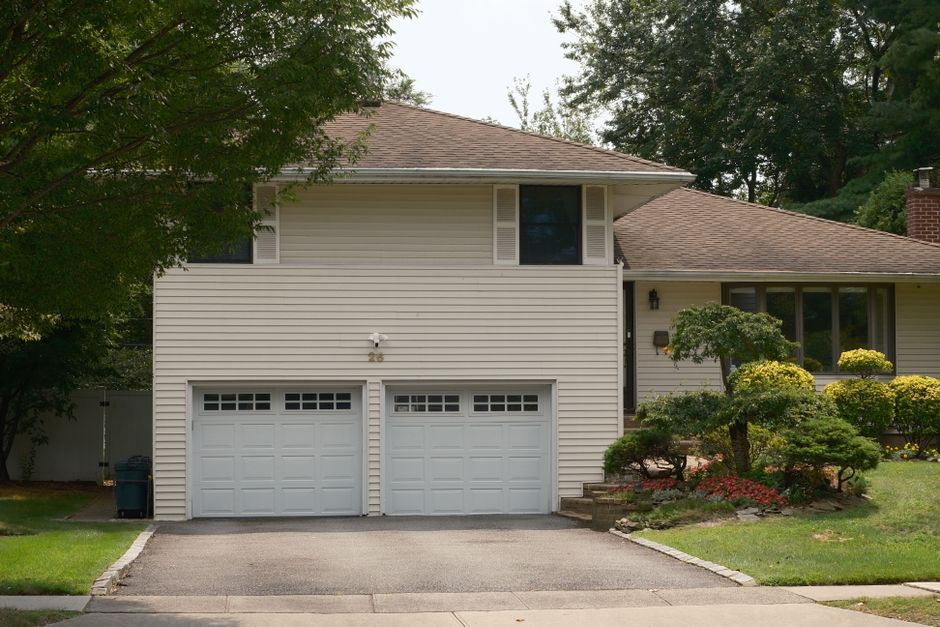
Asphalt has a few natural advantages here:
- Flexibility. Asphalt binders flex slightly with ground movement. Where concrete may crack under frost heave, asphalt tends to bend and recover.
- Faster installation. A typical residential asphalt driveway can be installed in a day or two, compared with a week or more for concrete that then needs curing time.
- Lower upfront cost. Asphalt generally costs less per square foot than concrete or pavers, making it attractive for longer driveways common on Pine Brook's larger lots.
- Easier repair. Damaged sections can be patched or milled and repaved without replacing the entire surface.
- Curb appeal. A fresh black asphalt surface with clean edges looks sharp against green landscaping and complements most home styles in the area.
The main trade-off is maintenance. Asphalt needs sealing and crack repair to reach its full lifespan, and it will eventually need resurfacing. Concrete and pavers cost more upfront but tend to hold up longer with less routine care. For a comparable look at how these trade-offs play out in similar New Jersey communities, see this guide to asphalt driveways in Mountain Lakes.
What Drives the Cost of an Asphalt Driveway in Pine Brook
Driveway pricing is rarely a simple per-square-foot number. Several variables interact, and two neighbors with similar lots can receive quotes that differ by thousands of dollars. Here is what actually moves the price.
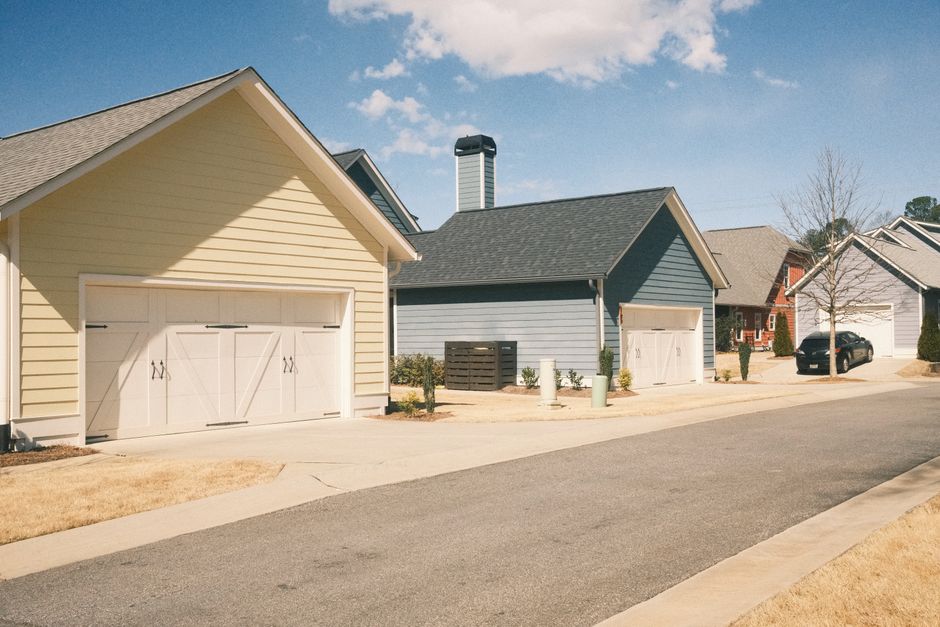
Square Footage and Layout
Area is the starting point. A straight, single-car driveway of roughly 400 to 600 square feet costs far less than a 1,200-square-foot curved driveway with a turnaround. Curves, circles, and multiple parking bays add material, labor, and complexity. Slopes matter too — steep grades require more careful base preparation to prevent slippage and drainage problems.
Base Preparation
The unseen work is often the most important. A proper asphalt driveway sits on a compacted base of crushed stone, typically 4 to 6 inches deep, over graded soil. If your existing driveway has a failing base, the contractor may need to remove the old material, regrade, and rebuild from scratch. That excavation and stone work can account for a significant share of the total cost, but skipping it is the fastest way to a driveway that cracks within a few seasons.
Asphalt Thickness and Mix
Residential asphalt is usually installed in two lifts (layers) — a base course and a top course — totaling about 2 to 3 inches of compacted thickness. Heavier vehicles or commercial use call for more. The mix design also matters: local suppliers blend aggregates and binders suited to the regional climate, and a reputable contractor will use a mix appropriate for New Jersey's temperature swings.
Drainage and Grading
Water is asphalt's enemy. A driveway that does not shed water properly will develop puddles, soft spots, and premature cracking. Proper grading may involve adding a crown, adjusting the slope toward a drainage swale, or installing a French drain or channel drain. On Pine Brook lots with mature trees and clay-heavy soil, drainage work is often essential rather than optional.
Edging, Aprons, and Accessories
Options add cost but also add life and polish to the project:
- Aprons. The transition from the street to the driveway takes the most stress. A reinforced or concrete apron can prevent the crumbling that plagues many driveway entrances.
- Edging. Steel, aluminum, or stone edging holds the asphalt in place and reduces edge breakdown.
- Drainage structures. Trench drains, catch basins, or dry wells where water collects.
- Lighting. Low-voltage path and driveway lighting improves safety and highlights the new surface at night.
- Widening or adding a turnaround. Often cheaper to do during the initial installation than later.
Timing and Season
Asphalt plants in New Jersey operate seasonally, generally from spring through late fall. Paving in cold weather compromises compaction and bonding. Scheduling in late spring or summer usually gives the best results, though demand can also peak then. Late-season work is possible but depends on temperatures and plant availability.
How Pine Brook's Climate Affects Asphalt Longevity
A well-built and maintained asphalt driveway in this region can last 15 to 20 years or more before a full replacement is needed. The climate, however, works against it in predictable ways.
Freeze-Thaw Cycles
When water seeps into small cracks and freezes, it expands. Repeated cycles widen cracks, loosen edges, and eventually break up the surface. This is the single biggest cause of asphalt deterioration in the Northeast. Sealing cracks promptly and keeping the surface sealed slows the process dramatically.
Summer Heat and Sun
Hot summers soften asphalt, especially in direct sun. Heavy vehicles parked in the same spot can leave depressions. UV exposure also oxidizes the binder over time, turning the surface gray and brittle. A fresh sealcoat restores both appearance and protection.
Tree Roots and Shade
Pine Brook's mature tree canopy creates two issues. Roots can lift and crack pavement from below, while heavy shade keeps the surface damp longer, encouraging moss, algae, and freeze damage. Root barriers or careful regrading may be needed when tree roots conflict with the driveway path.
Snow Removal and Salt
Plowing is unavoidable, but the blade can catch raised edges and chip the surface. Rock salt and deicing chemicals are less damaging to asphalt than to concrete, but they still contribute to surface deterioration over time. Using a plastic-edged shovel or a plow with a shoe can reduce damage.
Planning Your Asphalt Driveway Project Step by Step
A driveway is a significant investment, and the planning phase determines whether the project goes smoothly. Here is a practical sequence for homeowners.
- Define the goal. Are you replacing a worn driveway, widening for extra vehicles, adding a turnaround, or building from scratch? Write down what you want the finished driveway to do.
- Check local requirements. Many New Jersey municipalities regulate driveway width, setbacks from property lines, and connections to the street. A permit may be required, especially if you are changing the curb cut or affecting drainage. Confirm with your town before work begins.
- Measure and sketch the design. Note the length, width, slopes, and any obstacles such as trees, utility boxes, or drainage paths. A to-scale plan makes it far easier to compare contractor bids.
- Estimate the scope and budget range. Before calling contractors, it helps to have a rough price range so you can sanity-check quotes. Online planning tools let you map the driveway, calculate area, and generate a preliminary cost estimate based on your specific layout.
- Request multiple quotes. Get at least three written estimates with clear line items: excavation, base stone, asphalt thickness and mix, compaction, edging, drainage, and cleanup. Ask about warranties.
- Verify the contractor. Confirm licensing, insurance, and references. Ask to see recent local jobs, ideally driveways that have been through at least one winter.
- Schedule for the right season. Aim for dry, mild weather with the asphalt plant open and operating.
- Plan the cure time. Stay off new asphalt for the period the contractor specifies — often 3 to 7 days for vehicles and longer for heavy loads, with extra care in hot weather.
If your overall property plan includes more than a driveway — say a sport court, patio, fence, or lighting — planning them together can reduce excavation costs and produce a more cohesive result. The American College of Sports Medicine notes that outdoor activity spaces benefit from careful surface selection and maintenance, a principle that applies to driveways and courts alike.
Maintenance That Protects Your Investment
Asphalt is durable but not maintenance-free. A simple routine extends the life of a Pine Brook driveway considerably.
- Sealcoat every 2 to 3 years. Wait at least 6 to 12 months after new installation before the first seal. Sealing too early traps solvents and can soften the surface.
- Fill cracks promptly. Clean and fill cracks before winter so water cannot enter and freeze.
- Keep edges supported. Repair crumbling edges and maintain edging so the asphalt does not unravel from the sides.
- Manage drainage. Clear debris from drains and keep water flowing away from the driveway, not under it.
- Avoid heavy concentrated loads. Park trailers, dumpsters, and heavy equipment on plywood pads to spread weight, especially in summer.
- Control vegetation. Trim overhanging branches to reduce shade and debris, and address roots before they lift the pavement.
Following this routine, many driveways in the region reach the upper end of their expected lifespan and delay full replacement by several years. Homeowners facing similar soil and drainage conditions often find this breakdown of asphalt driveways in Lower Berkshire Valley useful for comparison.
Why Planning Before You Call Contractors Pays Off
The biggest avoidable mistake in driveway projects is starting with contractors instead of a plan. When you have a defined design, area calculation, and budget range in hand, you can compare bids apples to apples, spot suspiciously low quotes that cut corners on base preparation, and negotiate from a position of knowledge.
Property Improvement Estimator (PIE) was built for exactly this purpose. It is an online tool that lets homeowners and property owners design and plan outdoor projects — including asphalt driveways — directly on a property map. You can lay out your driveway, calculate the project scope, and generate a planning price range before requesting quotes, much like the approach outlined for asphalt driveway paving in Arden on the Severn. Contractors also use the platform to connect with homeowners who already know what they want, which makes the bidding process faster and more accurate for everyone.
Whether you are repaving a worn surface or building a new driveway from scratch, a little planning up front saves money, time, and frustration down the road.
Conclusion
An asphalt driveway is a smart, cost-effective choice for Pine Brook properties, provided it is designed for the local climate and built on a properly prepared base. Freeze-thaw cycles, summer heat, tree roots, and drainage all shape how long the surface lasts, and each can be managed with good planning and routine maintenance. In 2026, homeowners have better tools than ever to map out a project, estimate a realistic price range, and request competitive quotes from qualified contractors. Start with a clear plan, choose your materials and layout deliberately, and your asphalt driveway can serve your property reliably for two decades or more.