Asphalt Driveway Paving on Broome's Island

Broome's Island is a small, secluded community on the eastern shore of Maryland, reached by a single causeway and defined by tidal marshland, mature tree cover, and a mix of year-round homes and seasonal retreats. That setting shapes everything about how an asphalt driveway performs — from the subgrade moisture it sits on to the tree canopy that drops debris across it every autumn. This guide explains how asphalt paving works on Broome's Island specifically, what drives cost in 2026, how to plan the project before you call a contractor, and how to protect the investment once it is installed.
What Makes Broome's Island Different for Paving
An asphalt driveway is only as good as the ground beneath it. On Broome's Island, that ground is often the complicating factor.
High water table and tidal influence. Much of the island sits at low elevation, close to the marsh and the surrounding waterways. During heavy rain, tropical systems, or the higher-than-normal tides that have become more frequent in the Chesapeake region, groundwater can rise close to the surface. Wet subgrade is the single most common cause of asphalt driveway failure in low-lying coastal areas. If water cannot drain away from the base, it softens the soil, the aggregate base shifts, and the asphalt above it cracks and settles.
Soil composition. Eastern Shore soils tend toward silt, clay, and organic material rather than clean sand or gravel. Organic soils compress over time and do not drain well. Clay holds water and expands and contracts with moisture content. Neither is a suitable base for pavement without amendment and proper compaction. For comparison, homeowners dealing with similar conditions have documented their experiences in this Asphalt Driveway Chimney Rock: Complete Guide.
Tree canopy and debris. Mature hardwoods and pines are common across the island. Shade slows the evaporation of surface moisture after rain, keeping pavement damp longer. Leaf litter, pine needles, and sap settle into pores and seams. Over time, needles work into cracks and hold moisture against the asphalt surface.
Limited access for equipment. Broome's Island is reached by a causeway, and many lots have narrow, winding, or tree-lined entries. Larger paving equipment — tandem dump trucks, wide rollers, motor graders — may not reach every section of a driveway without careful staging. Plan for this: it affects scheduling and sometimes the choice of equipment a contractor brings.
How an Asphalt Driveway Is Built
Knowing the sequence lets you evaluate whether a quote is complete or cutting corners. A properly built asphalt driveway has four layers, and the work below the surface matters more than the blacktop you see.
1. Excavation and subgrade preparation
The existing surface and unsuitable material are removed to a depth that accommodates all the layers above. On soft or organic island soils, this may mean removing deeper material and replacing it with engineered fill. The exposed subgrade is then graded to drain and compacted. Some contractors will recommend a geotextile fabric over weak subgrade to separate the soil from the aggregate base and reduce pumping.
2. Aggregate base installation
Crushed stone base — commonly a dense-graded aggregate — is placed in lifts and compacted. Compaction is typically measured with a nuclear gauge or similar device and expressed as a percentage of maximum density. For a residential driveway carrying cars and light trucks, a base thickness in the range of 4 to 8 inches is common, but the right number depends on soil strength and expected loads. A long driveway with occasional deliveries may need more. The base is the structural layer; asphalt is a wearing surface on top of it.
3. Asphalt binder course and surface course
Hot-mix asphalt is placed in one or two courses depending on total thickness. A typical residential driveway uses a binder course and a finer surface course. The mix design, asphalt content, and aggregate gradation are specified by the supplier. Placement temperature matters: asphalt must be laid within a specific temperature range and compacted before it cools too far. On cool, breezy days — a normal condition on an open island lot — the working window is shorter, so the paving crew has to move efficiently.
4. Compaction and joint finishing
Rolling happens immediately behind the paver. Edges, joints against existing pavement, and areas around the apron meet at the road are finished and compacted by hand or with smaller equipment. Poorly compacted edges are where driveway failures usually begin.
Driveway Design and Layout Considerations
Before material choices, decide on geometry.
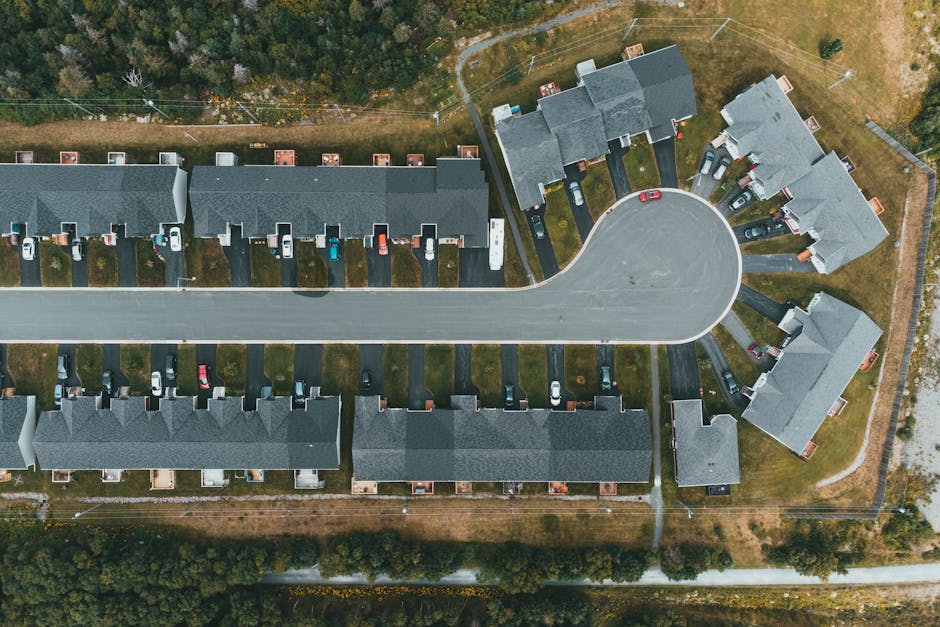
- Width. A single-car driveway is typically 10 to 12 feet wide. Two cars side by side need 20 to 24 feet, and a little extra width at the garage makes everyday use easier.
- Turning radius and aprons. Where the driveway meets the road, a flared apron makes turning easier and protects the pavement edge. On a narrow island road, this is worth doing correctly.
- Slope and drainage. A driveway should shed water off the surface and away from the house, garage, and foundation. A minimum cross slope is used to move water laterally. On flat island lots, positive drainage often requires adjusting the grade of the surrounding lawn as well as the driveway itself.
- Integration with the rest of the property. A driveway rarely stands alone. Walkways, parking pads, retaining walls, fences, lighting, decks, and sport courts all need to be coordinated so that grades, drainage, and access lines work together rather than fight each other.
Planning the Project Before You Hire Anyone
The most expensive mistakes on a paving project happen before ground breaks. That is why it helps to plan the driveway on an actual map of the property rather than in your head.
A map-based design and planning tool — such as the one offered by Property Improvement Estimator — lets you lay out the driveway footprint, parking areas, walkways, retaining walls, and lighting directly over your property lines and structures. From that layout, the tool calculates project scope and provides a planning price range, so you have a realistic budget figure before you contact contractors. You can then request local quotes based on the specific design you drew, rather than a vague description over the phone.
This matters especially on Broome's Island, where access constraints and drainage conditions vary dramatically from lot to lot. A design that works on a dry, sunny lot near the causeway may need a different base build and drainage strategy on a shaded, low-lying parcel facing the marsh. Having a plan in hand means every contractor is bidding on the same scope.
Pull your survey or plat if you have one. Confirm setbacks and any community or county requirements. Note where utilities, septic components, and existing drainage swales run. Mark trees you want to keep, since root zones and pavement do not coexist well — compacting soil over root systems damages or kills trees, and roots that survive can heave asphalt over the years.
What Drives Asphalt Paving Cost in 2026
Paving is priced by area (square feet or square yards), but the variables underneath that number make one driveway cost twice as much as another of the same size.
- Site access. Difficult entries increase labor and equipment time. A long causeway commute for crews and material trucks can add mobilization cost.
- Excavation and disposal. Removing existing pavement, old gravel, or unsuitable soil costs money, and disposing of it costs more.
- Subgrade remediation. Replacing soft or organic soil, adding geotextile fabric, or building a thicker base all raise the price. This is the cost most likely to be understated in a low bid.
- Base thickness. More stone means more material, more hauling, and more compaction time.
- Asphalt thickness and mix. A heavier mat with a proper binder course costs more than a thin single-layer surface.
- Drainage work. French drains, swales, catch basins, and culverts may be required to keep water out of the pavement base.
- Removal and replacement of adjacent features. Fences, gates, lighting, landscaping, and walls in the work zone.
- Season and scheduling. Asphalt plants operate seasonally. Local plants supply the eastern shore, so pricing reflects their schedule and haul distance.
- Driveway length and complexity. Curves, turnarounds, and multiple parking areas all add time and material.
Because so much depends on site conditions, a realistic planning range beats a single assumed number. Use a map-based estimator to establish a range, then treat contractor bids as the refinement of that range.
Choosing a Paving Contractor
The asphalt paving trade has a persistent problem with transient operators who appear in spring, offer a low cash price, do minimal prep, and disappear before the first freeze. Protect yourself.
- Verify licensing and insurance. Ask for the license number and a certificate of insurance, and verify it with the issuing body. This is a normal request — contractors who balk at it are a warning sign.
- Get at least three quotes based on the identical written scope.
- Demand a written scope of work that states excavation depth, base thickness, asphalt thickness and mix, compaction method, drainage work, and cleanup.
- Check references and look at completed driveways that are at least three to five years old. New work looks good; aged work tells the truth. Contractor selection experiences in areas with comparable coastal conditions are covered in Asphalt Contractors in Victory Gardens.
- Understand the warranty — what it covers, how long it runs, and who honors it.
- Be skeptical of door-to-door "leftover asphalt" offers. Leftover mix from another job is not a valid basis for a driveway specification.
- Avoid full payment up front. A deposit for materials is normal; the balance should follow satisfactory completion.
For general guidance on maintaining a healthy, active outdoor property — including surfaces used for recreation and sport — the American College of Sports Medicine publishes resources on physical activity and safe outdoor environments that are useful when planning multi-use hard surfaces.
Maintenance: Protecting the Investment
A well-built asphalt driveway on Broome's Island can last decades with routine care. Neglect it, and the coastal climate will shorten its life noticeably.
Sealcoating. A sealcoat protects the asphalt from oxidation, water intrusion, and the sun's ultraviolet degradation. The general rule is to wait through the first full curing period — often six months to a year for new asphalt — and then seal on a cycle of roughly every two to three years, adjusted for how much sun and traffic the surface receives. Do not over-seal; too-frequent application can make the surface brittle. Regional maintenance and installation specifics are also outlined in Asphalt Driveways in Mountain Lakes: a 2026 Guide.
Crack filling. Water is the enemy. Any crack wider than a hairline should be cleaned and filled before sealing. On an island, this is especially important going into winter, when freeze-thaw cycles open cracks further.
Drainage maintenance. Keep swales, ditches, and culverts clear of leaves and sediment. If water is ponding next to or on the driveway after a storm, address it before it reaches the base.
Edge care. Keep soil, mulch, and vegetation from building up against the pavement edges, and avoid driving heavy trucks onto the edge, which can break it down.
Debris and shade. Rake leaves and pine needles off the surface, particularly in fall. Clean up oil and fuel spills promptly, as petroleum products soften asphalt.
Tree management. If tree roots are lifting pavement, address the tree rather than repeatedly patching the surface.
Conclusion
Paving an asphalt driveway on Broome's Island is a soil, water, and access problem before it is a paving problem. The lots that hold up best are the ones where someone took the time to remove unsuitable material, build a properly compacted aggregate base, and move water away from the pavement — and then maintained the surface through sealcoating, crack filling, and drainage upkeep. Because conditions vary so much from parcel to parcel on the island, guessing at scope is risky. Draw the driveway on a map of your property, calculate the scope and a planning price range, review the design with licensed local contractors, and compare bids against the same written specification. Done in that order, the driveway you end up with is one that survives the island's tides, shade, and freeze-thaw cycles for years to come.