Asphalt Driveway in Pleasant Plains: 2026 Guide

An asphalt driveway is one of the most practical and cost-effective ways to upgrade a home's curb appeal and function. In Pleasant Plains — whether you're in the historic village near the Illinois state capital region or a similarly named community elsewhere — homeowners face the same core questions: What does an asphalt driveway cost in 2026? How long does it last? What maintenance keeps it looking new? And how do you plan a project that fits your property, budget, and timeline?
This guide walks through everything you need to know about asphalt driveways, from materials and installation to cost factors, maintenance schedules, and how modern planning tools help you visualize the finished result before a single shovel hits the ground.
What Is an Asphalt Driveway?
An asphalt driveway is a paved surface made from a mixture of aggregate (stone, sand, and gravel) bound together with asphalt cement, a sticky, black petroleum-based binder. The mixture is laid hot and compacted to form a smooth, durable surface that flexes slightly under load — a property that makes it well-suited to freeze-thaw climates.
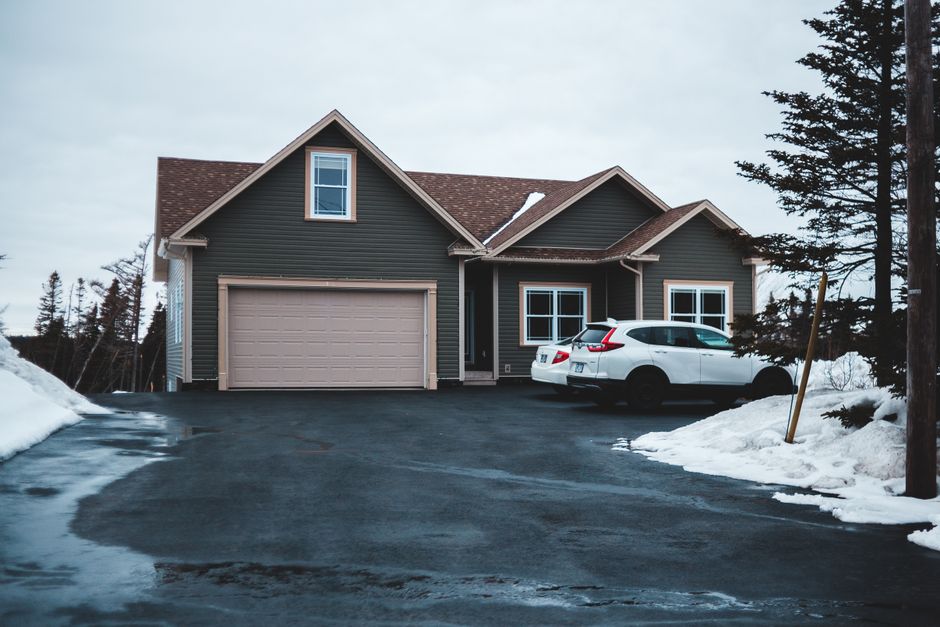
A properly built asphalt driveway typically consists of several layers:
- Subgrade: The native soil, graded and compacted to create a stable foundation.
- Base course: A layer of crushed stone or gravel, usually 4–8 inches deep, that provides structural support and drainage.
- Binder course: A coarser asphalt mix that adds strength and helps level the surface.
- Surface course: The smooth, fine-grained top layer, generally 1.5–2 inches thick, that you see and drive on.
Each layer matters. Skipping or shortchanging the base is the single most common reason asphalt driveways fail early, cracking and rutting within just a few years.
Why Homeowners in Pleasant Plains Choose Asphalt
Asphalt competes with concrete, pavers, and gravel for driveway dollars, and in most markets it wins on a combination of upfront cost and speed of installation. Here's how the options compare:
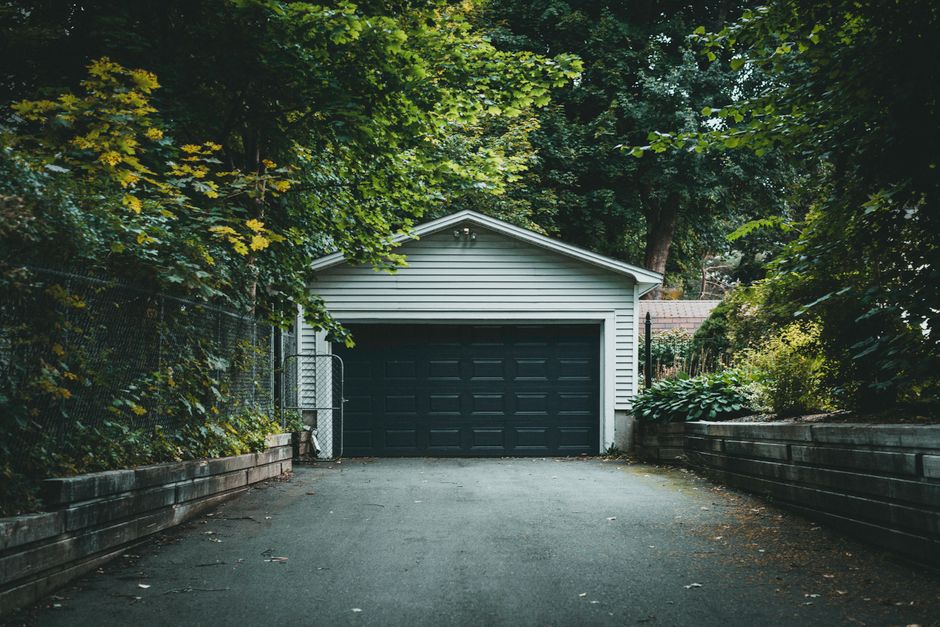
Cost
Asphalt is generally the least expensive paved option, often costing 30–50% less than concrete for the same area. In 2026, most homeowners pay somewhere between $3 and $7 per square foot for a new asphalt driveway, depending on region, site conditions, and thickness. A typical two-car driveway of 600–800 square feet might run $2,500–$5,500 installed.
Installation Speed
A residential asphalt driveway can often be installed in one to two days. Concrete requires formwork, curing time, and often a week or more before you can drive on it. Asphalt can usually accept foot traffic the same day and vehicle traffic within a few days, depending on weather.
Appearance and Flexibility
Fresh asphalt has a deep, uniform black finish that contrasts nicely with green lawns and light-colored homes. It can be edged with pavers, bordered with landscaping, or left clean and minimal. Because asphalt is flexible, it handles minor ground movement better than rigid concrete, which tends to crack rather than flex.
How Much Does an Asphalt Driveway Cost in 2026?
Prices vary widely by region, but here's a realistic planning range for 2026. Use these figures as a starting point, then refine them with local quotes.
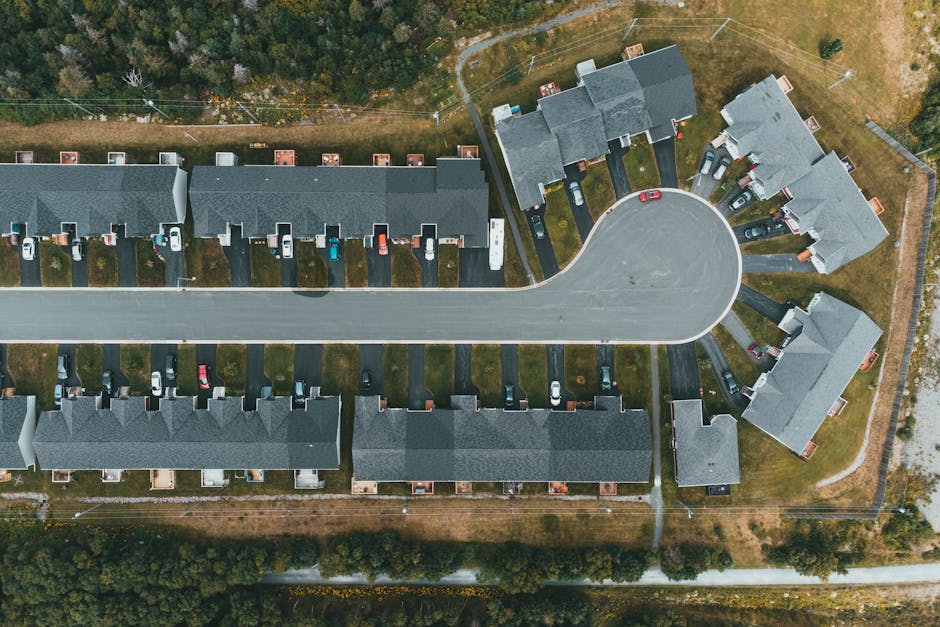
| Project Type | Typical Cost Range (2026) |
|---|---|
| New asphalt driveway (basic, 600–800 sq ft) | $2,500–$5,500 |
| New asphalt driveway (larger, 1,000+ sq ft) | $4,000–$9,000+ |
| Asphalt overlay (resurfacing existing driveway) | $1,500–$4,000 |
| Sealcoating | $0.15–$0.30 per sq ft ($150–$400 typical) |
| Crack filling and patching | $150–$600 |
Several factors push costs up or down:
- Driveway size and shape: Curves, turnarounds, and long runs require more material and labor.
- Site access: Tight spaces or steep slopes slow equipment and raise labor costs.
- Excavation and grading: Removing old material, correcting drainage, or adding base stone adds expense.
- Drainage solutions: French drains, culverts, or swales may be needed to protect the pavement.
- Local labor and material rates: Prices vary by market and season.
- Permits: Some jurisdictions require permits for driveway work, especially where it meets a public road.
The best way to get an accurate number is to define your project scope first, then request quotes from local contractors. That's exactly what planning platforms like Property Improvement Estimator are built to do — design your driveway on a map, get a price range, and send the design to local pros for bids. For a closer look at how costs and planning come together in nearby communities, see this asphalt driveway Pine Brook costs and planning guide.
How to Plan Your Asphalt Driveway Project
A driveway is a long-term investment, so planning pays off. Follow this sequence:
1. Define the Layout
Sketch or map the driveway's path, width, and any turnarounds. Standard residential driveways are 10–12 feet wide for one car and 20–24 feet for two cars side by side. Consider how you'll enter and exit, where snow will be piled in winter, and how the driveway connects to your garage, sidewalk, and street.
2. Check Drainage and Grading
Water is asphalt's enemy. The driveway should slope away from your home and garage at roughly a 2% grade (about 1/4 inch per foot) to shed water. If your property is flat or slopes toward the house, you'll need drainage solutions built into the plan.
3. Verify Local Rules
Contact your local planning or public works department about setback requirements, culvert specs, and permits. Rules vary, and getting them wrong can mean costly rework.
4. Choose Thickness and Mix
For residential driveways, a 2-inch compacted surface layer over a 4–6 inch compacted base is standard. If you park heavy vehicles like RVs or trucks, go thicker. Ask contractors what mix design they use and why.
5. Get Multiple Quotes
Get at least three written quotes that specify square footage, thickness, base preparation, warranty terms, and payment schedule. Compare like for like — a low bid that skips base prep isn't a bargain.
Installation: What to Expect
A typical asphalt driveway installation follows this timeline:
- Demolition and excavation (Day 1): Removing old pavement, grass, or soil and hauling it away.
- Grading and base prep (Day 1–2): Shaping the subgrade, adding and compacting crushed stone.
- Asphalt placement (Day 2): Spreading the hot mix with a paver, then compacting with rollers.
- Curing (Days 2–7): Keeping traffic off until the asphalt hardens enough. Foot traffic is usually fine after 24–48 hours; vehicles after 3–7 days in warm weather.
- Curing continues (Weeks 1–6): The asphalt continues to harden. Avoid sharp turns, heavy loads, and parking in the same spot repeatedly.
Weather matters. Asphalt plants operate seasonally in cold climates, and installers need dry, warm conditions. Spring through early fall is the prime window in most northern markets. Homeowners in similar waterfront and wooded settings can also review this guide to asphalt driveway paving on Broome's Island for region-specific scheduling considerations.
Maintenance: Protecting Your Investment
A well-built asphalt driveway can last 15–20 years or more with basic care. The maintenance calendar looks like this:
- First 6–12 months: Let the asphalt cure fully. Avoid sealcoating too soon — many experts recommend waiting at least 6–12 months, sometimes longer for new asphalt.
- Annually: Inspect for cracks in spring and fall. Clean debris, especially near edges where vegetation can creep in.
- Every 2–4 years: Sealcoat to protect against UV, oxidation, and water penetration. In harsh climates, closer to every 2–3 years; milder climates can stretch to 4.
- As needed: Fill cracks promptly before water freezes and expands them. Patch potholes and depressions early.
- Seasonally: Use sand or a pet-safe ice melt rather than rock salt, which can degrade asphalt over time. Keep heavy equipment and sharp-edged snowplow blades off the surface.
Keep in mind that sealcoating is protective, not cosmetic alone. It also extends the life of the pavement by blocking moisture and oxygen. But over-sealing — applying too often or too thick — can cause cracking and flaking, so follow manufacturer and contractor guidance.
For homeowners who also maintain other outdoor recreation areas, taking a page from sports facility management can be useful: the American College of Sports Medicine emphasizes surface safety and consistent maintenance for activity areas, principles that translate well to keeping any paved surface — including sport courts and driveways — in safe, usable condition.
Common Mistakes to Avoid
Knowing what goes wrong helps you avoid it:
- Inadequate base prep: The leading cause of premature failure. Don't let a contractor cut corners here.
- Poor drainage: Water pooling on or beside the driveway will destroy it. Plan drainage before paving.
- Paving over a failing surface: Overlays only work when the existing pavement is structurally sound. Otherwise, remove and replace.
- Hiring on price alone: The cheapest bid often skips steps. Check references and licensing.
- Sealing too soon: Sealing new asphalt before it cures traps solvents and causes problems.
- Ignoring small cracks: A $50 crack fill today can prevent a $2,000 repair in a few years.
Using a Planning Tool to Estimate Your Project
Before you call contractors, it helps to have a clear picture of what you want. Property Improvement Estimator (PIE) lets you design outdoor projects — including asphalt driveways — directly on a property map. You can trace the driveway footprint, adjust width and layout, and get a planning price range based on your specific design. From there, you can request quotes from local contractors who can bid on the actual scope.
This approach has two big advantages. First, you walk into contractor conversations with a defined project, which leads to more accurate bids and fewer surprises. Second, you can compare designs side by side — a straight run versus a curved one, a wider apron versus a narrower entry — and see how each affects cost before committing. For additional local context on materials, base prep, and long-term durability, you can also explore this asphalt driveway guide for Arden on the Severn.
The same tool supports related projects like concrete pads, retaining walls, fences, decks, pools, lighting, and sport courts, so you can plan a coordinated outdoor renovation rather than piecing it together one contractor at a time.
Conclusion
An asphalt driveway in Pleasant Plains is a smart, affordable upgrade that adds function and curb appeal — provided it's planned and built correctly. Focus on proper base preparation, drainage, and thickness. Budget realistically using 2026 cost ranges, maintain the surface with regular sealcoating and prompt crack repair, and get multiple quotes from reputable local contractors.
Start by mapping your project. Whether you use a planning tool or a simple sketch, a clear design is the foundation of a driveway that looks good, performs well, and lasts for decades.