Asphalt Driveway Cost: What Homeowners Should Budget
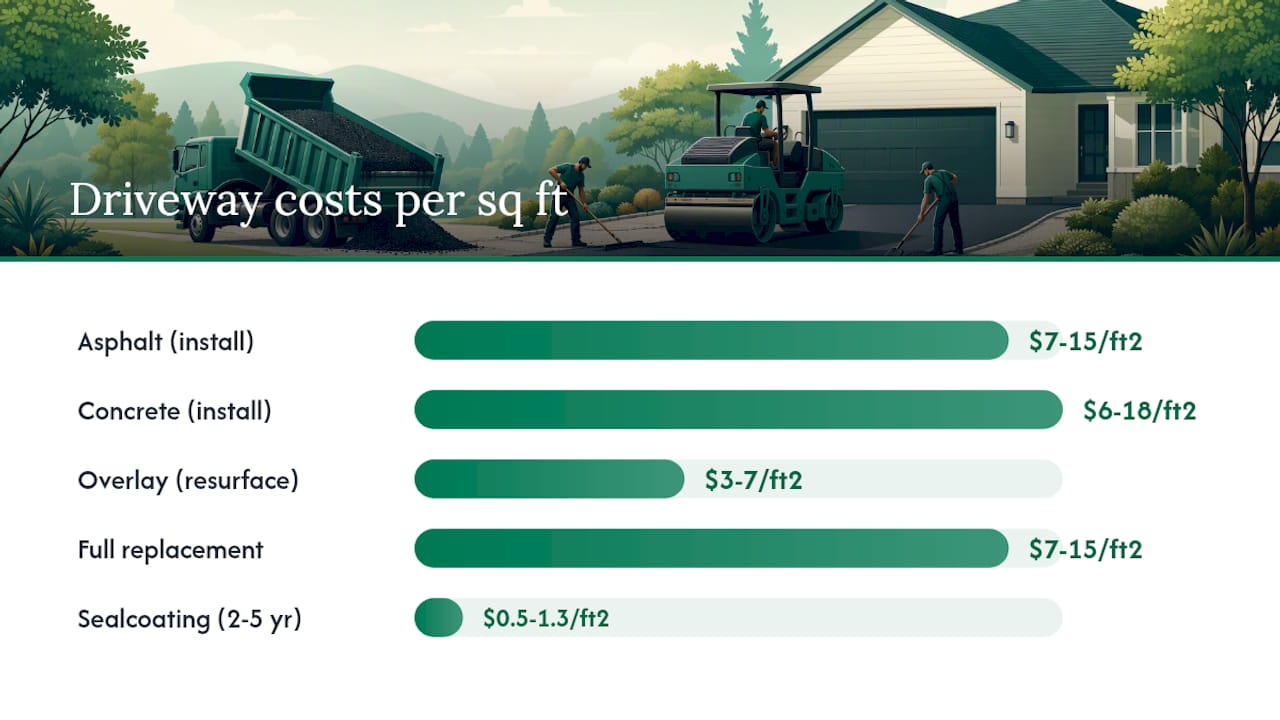
A new asphalt driveway typically runs $7 to $15 per square foot installed, while an overlay lands closer to $3 to $7 per square foot. Sealcoating alone costs $0.50 to $1.30 per square foot. Here’s how that translates to real project totals:
- Small driveway (400 to 600 sq ft): roughly $3,500 to $6,800
- Medium driveway (1,000 to 1,500 sq ft): roughly $8,200 to $12,000
- Large driveway (2,000+ sq ft): roughly $11,000 to $16,500 or more
An overlay costs less because it skips excavation and base rebuilding. Full replacement costs more but resets the clock on the driveway’s lifespan.
Key Takeaways
Asphalt driveway costs depend far more on base preparation, thickness, and site access than on the asphalt mix price alone.
| Point | Details |
|---|---|
| Know the per-sq-ft anchor | New installs run $7–$15/sq ft; overlays run $3–$7/sq ft; sealcoating runs $0.50–$1.30/sq ft. |
| Check for base work | Missing base prep in a bid is the top reason for premature cracking and inflated year-two costs. |
| Budget for sealcoating | Plan on a cycle every 2 to 5 years to protect your investment and delay costly overlays. |
| Compare apples to apples | Give every contractor the same measurements, photos, and access notes before requesting bids. |
| Map it before you bid | Propertyimprovementestimator lets you draw your exact driveway on a property map for a site-specific estimate contractors can quote against directly. |
Table of Contents
- Asphalt Driveway Cost Per Square Foot: Breaking Down the Line Items
- What Makes Asphalt Driveway Prices Swing So Much?
- Sample Cost Calculations: Small, Medium, and Large Driveways
- How Do You Get an Accurate, Comparable Contractor Quote?
- What Does Long-Term Asphalt Maintenance Actually Cost?
- How Does an Online Asphalt Cost Calculator Actually Work?
- Get a Site-Specific Asphalt Driveway Estimate
- Frequently Asked Questions
- Sources
Asphalt Driveway Cost Per Square Foot: Breaking Down the Line Items
Contractors don’t quote a single number pulled from thin air. They add up materials, base prep, labor, and a handful of smaller line items, and each one moves independently depending on your site.
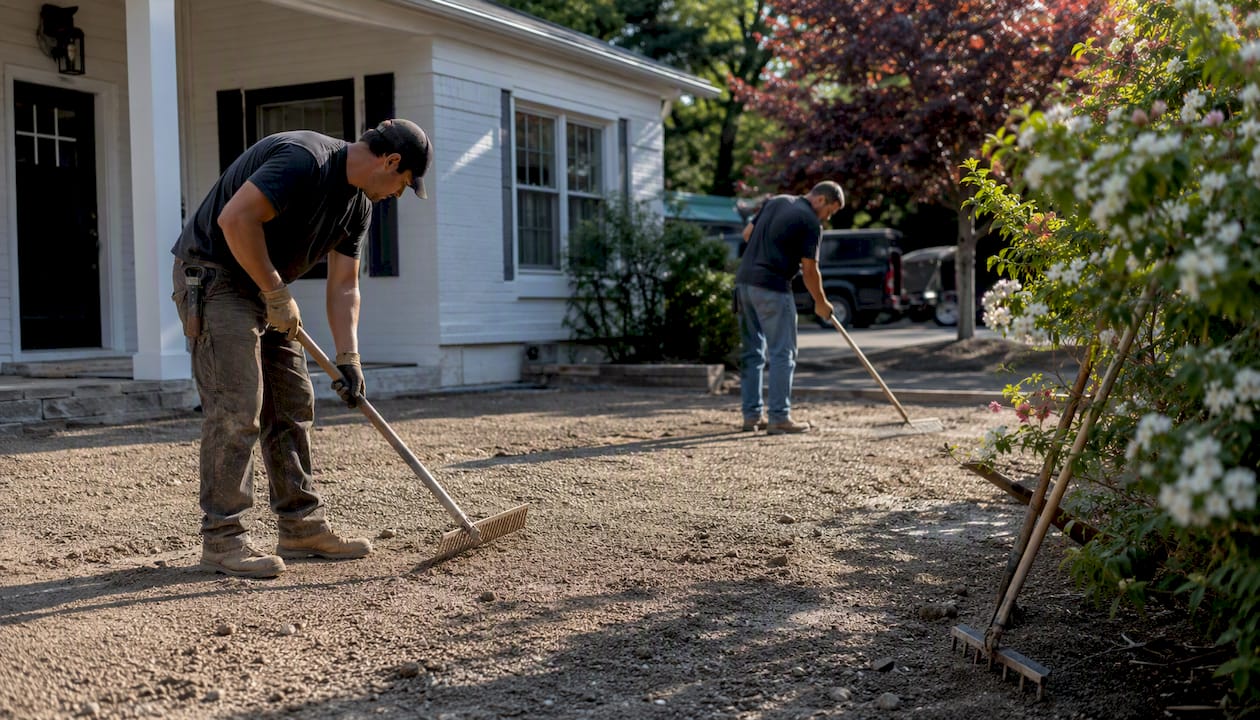
The asphalt mix itself typically runs $0.90 to $1.60 per square foot as a materials-only anchor, according to Current Cost’s 2026 pricing breakdown. But the mix is rarely the biggest expense. Base and subbase work, which involves excavating, grading, and compacting gravel underneath the asphalt, usually adds $2,500 to $6,500 to the total project cost. Labor runs $2,000 to $9,000 depending on crew size, site access, and how much hand work versus machine work the job requires.
Thickness also drives tonnage, and tonnage drives cost. A ton of asphalt mix covers roughly 80 square feet at a 2-inch depth, according to FigureCalc’s cost guide, so a thicker driveway needs proportionally more material even before labor costs shift.
| Cost Component | Typical Range |
|---|---|
| Asphalt material | $0.90–$1.60 per sq ft |
| Base/subbase prep | $2,500–$6,500 per project |
| Labor/installation | $2,000–$9,000 per project |
| Sealing/maintenance | Up to about half a dollar per sq ft over time |
| Edging (concrete or paver) | Adds to total project cost |
| Permits | Varies by municipality |
If a quote skips base prep or lumps it into “labor,” ask directly what it covers. That single line item is where budgets quietly blow up.
What Makes Asphalt Driveway Prices Swing So Much?
Two driveways of identical size can carry a $4,000 price gap, and it almost always traces back to what’s underneath and around the pavement, not the asphalt itself.
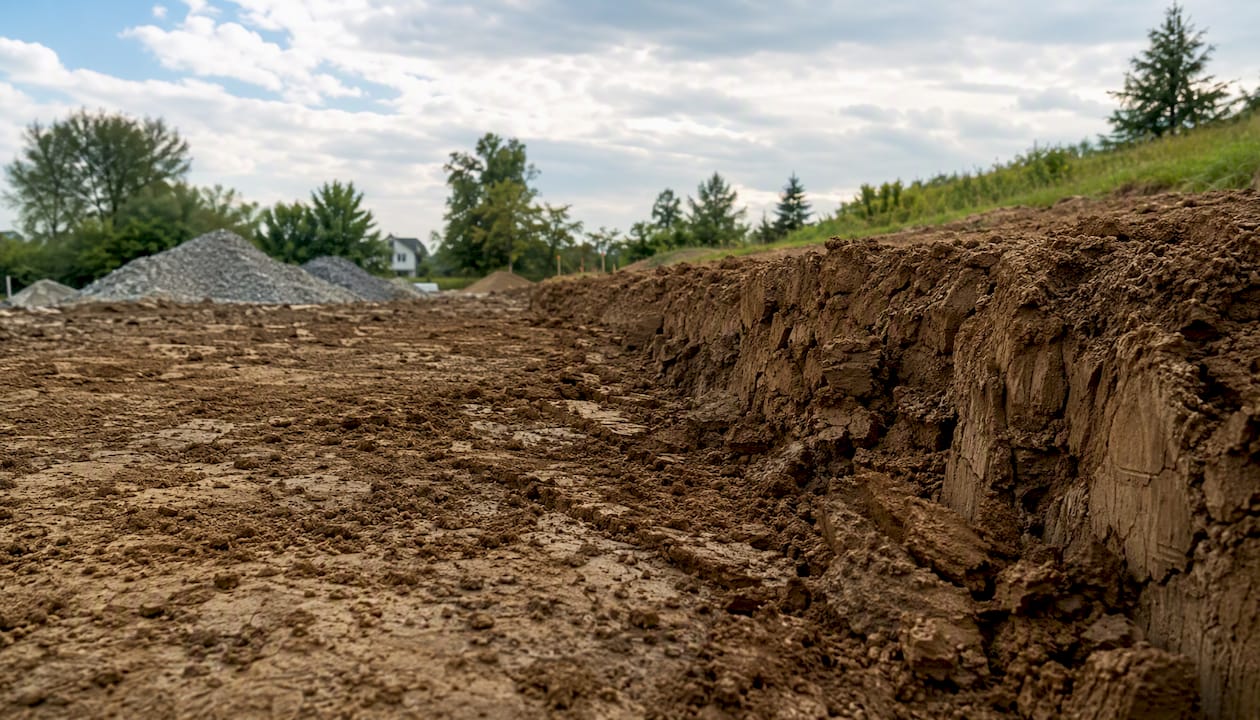
Soil condition is the biggest hidden variable. Clay-heavy or poorly draining soil often needs extra excavation, added gravel depth, or drainage corrections before a single truckload of asphalt shows up. Skip that step and you get cracking and heaving within a few winters.
Design choices matter too. A 2-inch driveway suits light passenger vehicles, but a 3 or 4-inch depth holds up better under trucks, RVs, or regular heavy loads, and it’s usually worth the added cost in lifespan according to industry guidance on mix depth and load matching. Curved layouts, steep grades, and decorative edging all add labor hours that a flat rectangular driveway never triggers.
Logistics round out the list:
- Site access: tight lots or long driveways from the street add mobilization time.
- Hauling distance: farther plants mean higher delivery costs for both base material and asphalt mix.
- Season: asphalt plants often raise prices or shorten their working window in colder regions during peak spring and summer demand.
Pro Tip: If two bids differ by more than 20 percent, check whether the lower one actually includes base compaction. A “too good” price often just deletes the base work and hopes you won’t notice until year two.
Sample Cost Calculations: Small, Medium, and Large Driveways
Here’s how the math actually builds for three common project sizes, using a standard 3-inch installation depth.
A 600 sq ft driveway at 3 inches needs roughly 8.5 tons of asphalt (a ton covers about 80 sq ft at 2 inches, so a 3-inch depth needs more material per square foot). With material, base prep, and labor combined, that lands around $4,800 to $7,200.
A 1,200 sq ft driveway scales up proportionally but often gains efficiency on labor per square foot, since mobilization costs get spread across a bigger job. Expect roughly $9,000 to $13,500.
A 2,200 sq ft driveway typically runs in the high teens of thousands of dollars, based on sample project bands for large residential installations.
Bump the depth from 2 to 3 inches on any of these and you’re adding roughly 50 percent more tonnage, which shows up directly in the material line of your final bid.
How Do You Get an Accurate, Comparable Contractor Quote?
Getting three quotes that actually mean something requires giving every contractor the same starting information.
- Measure the full area, including any apron or extension near the garage or street.
- Note the slope and drainage direction so contractors can flag grading needs upfront.
- Photograph the existing surface if you’re overlaying or replacing an old driveway.
- List access constraints, like narrow gates or overhead wires that limit equipment.
- Check for utility markings before anyone digs.
When bids come back, ask each contractor the same questions: What base depth are you compacting to? What compaction specs are you using? What asphalt mix type? Is sealcoating included or scheduled separately, and what’s the warranty on cracking?
- A bid with no base work listed is a red flag.
- A vague “mobilization fee” with no explanation deserves a follow up call.
- Anything more than 25 to 30 percent below the other bids usually means something got cut.
What Does Long-Term Asphalt Maintenance Actually Cost?
Sealcoating isn’t optional if you want your driveway to hit its full lifespan. It should happen every 2 to 5 years, and each application typically costs $0.50 to $1.30 per square foot, well under the cost of a full resurface.
Skipping sealcoating lets water and oxidation attack the surface faster, which shortens the interval before you need a full overlay or replacement. Overlays run $3 to $7 per square foot and typically buy another 8 to 12 years of life, while a full tear out and replacement resets the clock but costs the most upfront.
| Ownership Stage | Estimated Cost |
|---|---|
| Sealcoat (per cycle) | $0.50–$1.30/sq ft |
| Crack filling/patching | Varies by damage extent |
| Overlay (every 8–12 years) | $3–$7/sq ft |
| Full replacement (15–20 years) | $7–$15/sq ft |
Budgeting one sealcoat every few years is far cheaper than deferring maintenance and paying for an early overlay.
How Does an Online Asphalt Cost Calculator Actually Work?
Most calculators start with a handful of inputs: area, thickness, base condition, local labor and mix rates, hauling distance, and a waste factor to cover overage. Change any one of those and the estimate shifts.
- You enter or draw your driveway’s exact footprint.
- The tool applies local material and labor rates instead of a national average.
- It factors in base condition and thickness to calculate tonnage.
- It outputs a itemized range instead of a single guess.
An interactive property map tightens this further, since it captures your actual driveway shape, distance from the street, and site access rather than a generic square footage guess. Mapped estimators still carry caveats worth remembering:
- Local permit fees aren’t always baked in automatically.
- Seasonal asphalt plant pricing can shift a quote by hundreds of dollars.
- Contractor mobilization charges vary even within the same ZIP code.
One number I always tell homeowners to budget
I recommend building in a 10 to 15 percent contingency above your best quote, plus the cost of a first sealcoat within two years of installation. On a $10,000 medium driveway, that’s roughly $1,000 to $1,500 held back for the inevitable surprise or the maintenance step people forget to plan for.
Get a Site-Specific Asphalt Driveway Estimate
Generic per-square-foot ranges get you in the ballpark, but they can’t account for your driveway’s actual shape, slope, or distance from the street. Propertyimprovementestimator lets you draw your driveway directly on a satellite map of your property, so the estimate reflects your real dimensions and local cost data instead of a national average.
That mapped drawing becomes a shareable package, complete with measurements and specs, so every contractor you contact bids on the exact same scope instead of guessing at details over the phone. It’s a faster way to get quotes you can actually compare side by side. Head to the asphalt driveway estimator and map your driveway to get a site-specific starting point before you request bids.
Frequently Asked Questions
What is the average asphalt driveway cost for a typical home? Most homeowners pay between $8,200 and $12,000 for a medium-sized driveway around 1,000 to 1,500 square feet, based on standard 3-inch installations.
Is asphalt or concrete cheaper for a driveway? Asphalt usually costs less upfront, generally $7 to $15 per square foot versus $6 to $18 for concrete depending on finish, though concrete often lasts longer with less frequent resurfacing.
How much does an asphalt driveway cost per ton? Pricing is usually quoted per square foot rather than per ton to homeowners, but a ton of mix covers roughly 80 square feet at a 2-inch depth, which contractors use to calculate material needs.
Does resurfacing cost less than a full replacement? Yes. An overlay runs $3 to $7 per square foot since it skips excavation and full base rebuilding, while full replacement costs $7 to $15 per square foot but resets the driveway’s lifespan.
How often should I budget for sealcoating? Plan on sealcoating every 2 to 5 years at $0.50 to $1.30 per square foot to protect against oxidation and water damage and extend the driveway’s overall lifespan.
Sources
- Asphalt Driveway Cost: Price Ranges, Materials, and Labor in the U.S. 2026 – Current Cost
- Asphalt Driveway Cost Calculator (2026) | Resurface
- Asphalt Driveway Cost Guide: 2026 Prices | FigureCalc
- How often should you sealcoat your asphalt? | Husky Asphalt Paving
Recommended
- Asphalt Cost Calculator | Estimate Driveways, Overlays, Sealcoating, and Local Costs
- Asphalt Estimator | Property Improvement Estimator
- Asphalt Material Cost Calculator | Asphalt Depth, Base, Overlay, Sealcoating, and Local Factors
- Asphalt Labor Cost Calculator | Paving, Base Prep, Overlay, Sealcoating, Access, and Local Wages
Made with BabyLoveGrowth to get recommended by Claude