Asphalt Contractors in Cedar Knolls: Guide

Cedar Knolls, New Jersey homeowners seeking to enhance their properties with new driveways, parking areas, or sport courts need reliable asphalt contractors who understand local conditions and deliver quality workmanship. Whether you're planning a residential driveway installation, repairing existing pavement, or creating a recreational basketball court, selecting the right asphalt contractor makes all the difference in project success and long-term durability.
This comprehensive guide explores what you need to know about hiring asphalt contractors in Cedar Knolls, from understanding different asphalt services to planning your project effectively and getting accurate estimates for your property improvement goals.
Understanding Asphalt Services in Cedar Knolls
Asphalt contractors in the Cedar Knolls area offer a wide range of services tailored to residential and commercial property needs. New asphalt installation remains the most common service, encompassing driveways, pathways, parking areas, and sport courts. These projects involve site preparation, grading, base layer installation, and multiple asphalt layers to create a durable surface.
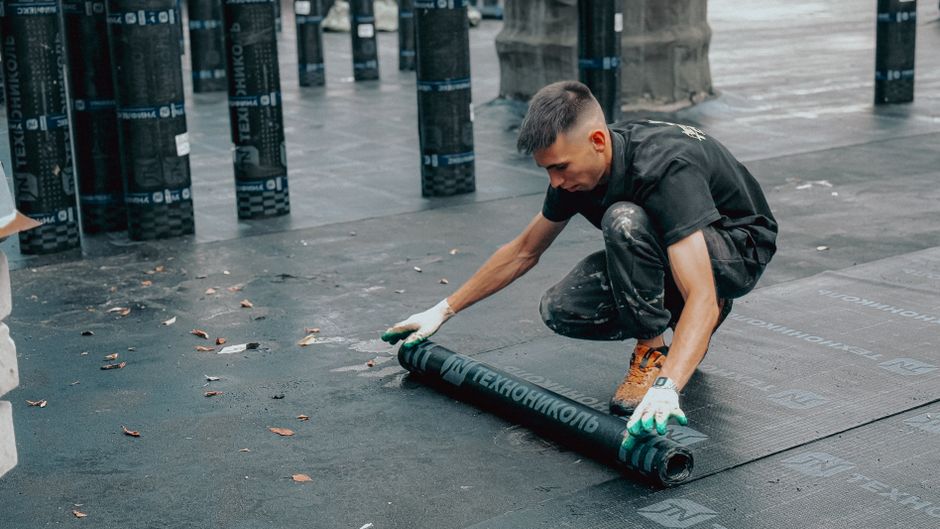
Resurfacing and overlay services provide cost-effective solutions for existing asphalt that shows surface wear but maintains structural integrity. Contractors remove the top layer and apply fresh asphalt, extending the pavement's lifespan without complete reconstruction. This approach works well for driveways with minor cracking or fading but no significant base deterioration.
Repair services address specific issues like potholes, cracks, and drainage problems. Professional contractors assess damage severity and recommend appropriate solutions, from crack sealing and patching to more extensive repairs involving base reconstruction. Regular maintenance prevents minor issues from escalating into costly replacements.
Sealcoating represents an essential protective service that extends asphalt lifespan. Applied every two to three years, sealcoating shields asphalt from UV rays, water infiltration, and chemical damage while enhancing appearance. Cedar Knolls contractors typically recommend sealcoating six to twelve months after new installation, allowing the asphalt to cure properly.
Factors Affecting Asphalt Project Costs
Several variables influence the total cost of asphalt projects in Cedar Knolls. Understanding these factors helps property owners budget appropriately and make informed decisions during the planning process.

Project size directly impacts pricing, with contractors typically charging per square foot. Larger projects often benefit from economies of scale, resulting in lower per-unit costs. A standard two-car driveway might range from 400 to 600 square feet, while expanded driveways or parking areas can exceed 1,000 square feet.
Site preparation requirements significantly affect overall expenses. Properties with poor drainage, unstable soil, or significant slopes require additional excavation, grading, and base material. Removing existing pavement, concrete, or other materials adds labor and disposal costs. Accessibility challenges, such as narrow entry points or limited equipment access, may also increase project complexity and pricing.
Material quality and thickness specifications influence both initial costs and long-term performance. Standard residential driveways typically use two to three inches of asphalt over a compacted gravel base. Heavy-use areas or properties with challenging soil conditions may require thicker applications or enhanced base preparations, increasing material and labor expenses.
Additional features like edging, borders, decorative elements, or integrated drainage systems add to project costs. Sport court installations require specific surface preparations, line striping, and sometimes specialized asphalt mixes designed for athletic performance. Property owners should discuss these options with contractors during initial consultations.
Seasonal timing also plays a role in pricing and scheduling. Spring and fall represent peak seasons for asphalt work in New Jersey, when temperatures support optimal installation and curing. Contractors may offer competitive rates during slower periods, though weather constraints limit winter availability in the Cedar Knolls area.
Selecting the Right Asphalt Contractor
Choosing a qualified asphalt contractor requires careful evaluation of credentials, experience, and reputation. Start by verifying licensing and insurance coverage. New Jersey contractors should carry proper liability insurance and workers' compensation coverage, protecting property owners from potential accidents or damage during projects.

Experience with local conditions matters significantly. Cedar Knolls experiences cold winters and humid summers, requiring contractors familiar with regional weather patterns, soil types, and drainage challenges. Experienced local contractors understand how these factors affect asphalt performance and adjust installation techniques accordingly.
Request references and examine previous work. Reputable contractors willingly provide customer references and showcase completed projects. Visit nearby properties where they've worked, observing installation quality, edge detail, and overall appearance. Online reviews offer additional insights into customer satisfaction, communication practices, and problem resolution.
Obtain detailed written estimates from multiple contractors. Comprehensive quotes should specify project scope, materials, thickness specifications, timeline, and total costs. Be cautious of significantly low bids, which may indicate substandard materials, inadequate preparation, or hidden fees. Quality asphalt work requires proper materials and techniques that come at fair market prices.
Evaluate communication and professionalism during initial interactions. Contractors who respond promptly, answer questions thoroughly, and provide clear explanations demonstrate the customer service standards you can expect throughout the project. Professional contractors discuss potential challenges honestly and offer solutions aligned with your budget and goals.
Planning Your Asphalt Project Effectively
Successful asphalt projects begin with thorough planning that addresses design considerations, timing, and preparation steps. Modern planning tools now enable property owners to visualize projects before breaking ground, ensuring designs meet functional needs and aesthetic preferences.
Start by defining your project objectives. Consider how you'll use the space—whether it's a simple driveway for vehicle access, an expanded parking area for guests, or a sport court for recreational activities. Each application has specific requirements regarding slope, drainage, thickness, and surface characteristics.
Assess your property's existing conditions. Evaluate drainage patterns, identifying areas where water accumulates or flows across proposed asphalt locations. Poor drainage leads to premature pavement failure, making proper grading and drainage solutions essential. Note underground utilities, property lines, and setback requirements that may affect project scope.
Property Improvement Estimator offers valuable planning capabilities for homeowners designing asphalt projects. This online tool allows you to map your project directly on your property, experiment with different configurations, and calculate approximate square footage. You can plan driveways, sport courts, and other asphalt improvements while obtaining planning price ranges before requesting contractor quotes. This visualization helps communicate your vision to contractors and ensures accurate estimates based on your specific design.
Consider permit requirements early in the planning process. Cedar Knolls falls under Hanover Township jurisdiction, which may require permits for certain paving projects, particularly those affecting drainage or expanding impervious surfaces. Contractors familiar with local regulations can guide you through permit processes and ensure compliance with township requirements.
Plan for necessary utility markings before excavation begins. New Jersey law requires contractors to contact New Jersey One Call at least three business days before digging to mark underground utilities. This critical safety step prevents damage to electric, gas, water, and telecommunication lines.
Sport Courts and Recreational Asphalt Applications
Asphalt provides an excellent foundation for residential sport courts, offering durability and performance for basketball, tennis, pickleball, and multi-sport configurations. These recreational installations require specialized planning and construction techniques beyond standard paving projects.
Sport court dimensions follow established standards based on the intended activity. A full basketball court measures 94 by 50 feet, though residential half-courts (47 by 50 feet) or even smaller configurations suit most properties. Tennis courts require 120 by 60 feet for doubles play, while pickleball courts need just 44 by 20 feet, making them popular choices for smaller yards.
Surface preparation for sport courts demands exceptional attention to grading and levelness. Unlike driveways that require slight slopes for drainage, sport courts need carefully engineered surfaces that balance playability with water management. Contractors typically create minimal slopes (often one percent grade) that allow drainage without affecting ball bounce or player movement.
Asphalt thickness for sport courts generally exceeds standard driveway specifications. A typical sport court uses three to four inches of asphalt over a well-compacted gravel base, providing the stability needed for consistent athletic performance. Some installations include shock-absorbing acrylic surface coatings that enhance player comfort and reduce joint impact, as recommended by organizations like the American College of Sports Medicine for safer recreational activities.
Line striping and court markings represent the finishing touches that transform asphalt into functional playing surfaces. Professional contractors use durable paint or specialized coatings designed to withstand outdoor conditions and regular use. Multi-sport courts can incorporate multiple game layouts, maximizing versatility for families with varied interests.
Maintaining Your Asphalt Investment
Proper maintenance extends asphalt lifespan and protects your investment. Understanding maintenance requirements helps you plan long-term care and budget for periodic services that prevent premature deterioration.
Regular cleaning removes debris, leaves, and dirt that trap moisture against asphalt surfaces. Sweep or blow off your driveway or sport court regularly, and address oil stains promptly using appropriate cleaners. Preventing organic material accumulation reduces moisture retention and minimizes vegetation growth in cracks or edges.
Crack sealing represents the most critical preventive maintenance task. Small cracks allow water infiltration, which expands during freeze-thaw cycles and accelerates pavement deterioration. Address cracks promptly when they appear, using quality crack filler or hiring contractors for professional sealing. This simple step prevents minor cracks from becoming major repairs.
Sealcoating every two to three years protects asphalt from oxidation, water damage, and chemical exposure. This protective coating restores the rich black appearance while filling minor surface imperfections. Schedule sealcoating during warm, dry weather for optimal application and curing conditions.
Monitor drainage and address water accumulation immediately. Standing water indicates grading issues or blocked drainage systems that require attention. Poor drainage is asphalt's primary enemy, causing base erosion, cracking, and premature failure. Contractors can install drainage solutions like channel drains or adjust grading to resolve persistent water problems.
Avoid damaging practices like using metal snow shovels, placing excessive weight on edges, or allowing gasoline and harsh chemicals to sit on surfaces. Use plastic shovels for snow removal, support heavy equipment with plywood, and clean spills immediately to minimize damage.
Conclusion
Hiring asphalt contractors in Cedar Knolls requires careful planning, contractor selection, and understanding of local conditions that affect project success. Whether you're installing a new driveway, creating a recreational sport court, or maintaining existing pavement, working with experienced professionals ensures quality results that enhance property value and functionality.
Modern planning tools like Property Improvement Estimator empower homeowners to visualize projects, calculate scope, and obtain accurate estimates before committing to contractors. By understanding cost factors, maintenance requirements, and proper planning steps, you can make informed decisions that result in durable, attractive asphalt installations suited to your property's specific needs and your family's lifestyle.
Take time to research contractors thoroughly, obtain multiple detailed estimates, and discuss your vision clearly. Quality asphalt work represents a significant investment that, when properly installed and maintained, provides decades of reliable service for Cedar Knolls homeowners.