Asphalt Contractor Plumstead: Project Guide

Finding the right asphalt contractor in Plumstead requires careful planning, a clear understanding of your project needs, and knowledge of what quality asphalt work entails. Whether you're considering a new driveway, parking area, sport court, or pathway, working with qualified professionals ensures your investment delivers lasting results. This comprehensive guide walks you through everything you need to know about asphalt projects in Plumstead, from initial planning to contractor selection and project completion.
Understanding Asphalt Project Types in Plumstead
Asphalt remains one of the most versatile and cost-effective paving materials for residential and commercial properties. In Plumstead, property owners typically undertake several types of asphalt projects, each with unique requirements and considerations.

Residential driveways represent the most common asphalt project. A properly installed asphalt driveway provides smooth access to your home, enhances curb appeal, and withstands the region's weather conditions. Standard residential driveways require a minimum thickness of two to three inches of asphalt over a properly prepared base.
Sport courts demand specialized asphalt installation techniques. Basketball courts, tennis courts, and multi-use recreational areas need perfectly level surfaces with proper drainage systems. The asphalt base for sport courts must meet strict specifications to ensure player safety and optimal performance. According to the American College of Sports Medicine, proper surface preparation significantly impacts athletic performance and injury prevention.
Parking areas require thicker asphalt layers to support heavier vehicle loads and frequent traffic. Commercial parking lots typically need four to six inches of asphalt, while residential parking pads can use slightly thinner applications depending on expected vehicle weight.
Pathways and walkways connect different areas of your property and create accessible routes throughout your outdoor spaces. These projects need careful planning to ensure proper width, grade, and drainage to prevent water pooling and premature deterioration.
Planning Your Asphalt Project
Successful asphalt projects begin with thorough planning. Before contacting contractors, invest time in defining your project scope, understanding site conditions, and establishing realistic expectations for timeline and budget.

Start by measuring the area you plan to pave. Accurate measurements help contractors provide precise quotes and ensure you order appropriate material quantities. For complex shapes or multiple paved areas, consider creating a site map that shows dimensions, existing structures, and any obstacles like trees, utility lines, or drainage features.
Evaluate your property's drainage patterns. Water is asphalt's primary enemy, and poor drainage leads to premature cracking, potholes, and structural failure. Identify where water currently flows during rain events and note any areas where water pools or drains slowly. Quality contractors will incorporate proper grading and drainage solutions into your project design.
Consider your project's intended use and traffic patterns. A driveway serving two compact cars requires different specifications than one accommodating large SUVs, work trucks, or RVs. Similarly, a sport court needs different surface characteristics than a simple pathway. Communicating these details to contractors ensures they design appropriate solutions.
Modern planning tools have revolutionized how property owners approach improvement projects. Digital platforms allow you to design asphalt projects directly on aerial property maps, visualize different configurations, and calculate approximate project scope before requesting contractor quotes. These tools help you explore options, compare different layouts, and make informed decisions about project design.
What Quality Asphalt Installation Involves
Understanding proper asphalt installation processes helps you evaluate contractor proposals and recognize quality work. Professional asphalt installation follows specific steps, and shortcuts at any stage compromise the final result.
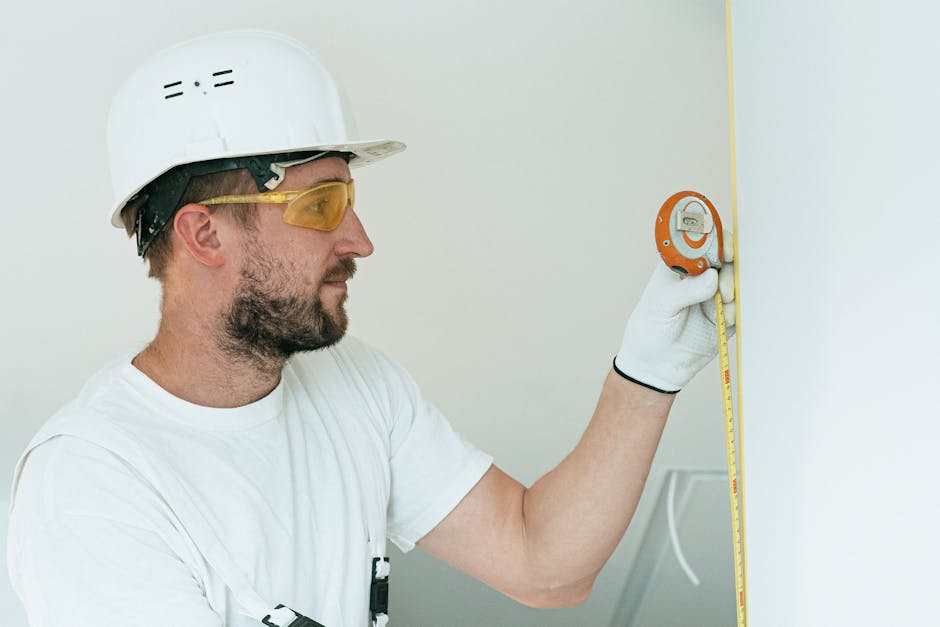
Site preparation forms the foundation of successful asphalt projects. Contractors must remove existing materials, excavate to appropriate depths, and address any soft or unstable soil conditions. The subgrade—the native soil beneath your asphalt—must be properly compacted to prevent future settling.
Base installation provides structural support for the asphalt surface. Most projects require a gravel base, typically four to eight inches thick depending on soil conditions and intended use. Contractors should use quality aggregate materials and compact the base in layers using heavy equipment to achieve proper density.
Grading and drainage engineering ensures water flows away from paved surfaces and buildings. Professional contractors create slopes that direct water toward designated drainage areas while maintaining comfortable, accessible surfaces. Proper grading typically involves a minimum slope of two percent (one-quarter inch per foot) for effective water management.
Asphalt application requires specialized equipment and trained crews. Hot mix asphalt arrives from the plant at approximately 300 degrees Fahrenheit and must be placed, spread, and compacted before it cools. Contractors use pavers to distribute material evenly and rollers to achieve proper compaction and smooth surfaces.
Edge treatment and transitions receive special attention from quality contractors. Proper edge support prevents asphalt from crumbling and extends pavement life. Transitions between asphalt and other surfaces like concrete, grass, or gravel need careful finishing to create clean, durable boundaries.
Selecting the Right Asphalt Contractor
Choosing the right contractor significantly impacts your project's success and your overall experience. Plumstead property owners should evaluate contractors based on multiple criteria rather than focusing solely on price.
Verify credentials and experience. Reputable contractors maintain proper licensing, insurance, and bonding. Request proof of liability insurance and workers' compensation coverage to protect yourself from potential liability. Ask about the contractor's experience with projects similar to yours, particularly if you're planning specialized work like sport courts or commercial parking areas.
Review past work and references. Quality contractors proudly share portfolios of completed projects and provide references from satisfied customers. Visit completed projects when possible to assess workmanship quality. Contact references and ask specific questions about project timelines, communication, problem-solving, and overall satisfaction.
Evaluate communication and professionalism. How contractors interact during the quoting process often reflects how they'll perform during your project. Professional contractors respond promptly to inquiries, arrive on time for site visits, and provide clear, detailed proposals. They should ask questions about your needs, explain their recommended approach, and address your concerns thoroughly.
Compare detailed proposals. Request written quotes from multiple contractors that itemize materials, labor, equipment, and any additional services. Detailed proposals help you understand exactly what each contractor includes and make meaningful comparisons. Be cautious of significantly low bids, which may indicate substandard materials, rushed work, or hidden costs that emerge later.
Understand warranties and guarantees. Reputable asphalt contractors stand behind their work with written warranties covering both materials and workmanship. Clarify warranty terms, duration, and what situations void coverage. Quality contractors also explain expected maintenance requirements and how proper care extends your asphalt's lifespan.
Cost Factors and Budgeting Considerations
Asphalt project costs vary based on numerous factors, and understanding these variables helps you budget appropriately and evaluate contractor quotes. In Plumstead during 2026, property owners should consider several key cost drivers.
Project size directly impacts total cost, though larger projects often benefit from economies of scale with lower per-square-foot pricing. Small projects may include minimum service charges that make them proportionally more expensive than larger installations.
Site conditions significantly affect project complexity and cost. Properties with poor drainage, unstable soils, or difficult access require additional work. Extensive excavation, soil stabilization, or special equipment access add to project expenses. Removing existing pavement, concrete, or other materials also increases costs.
Asphalt thickness and quality represent major cost variables. Thicker applications use more material but provide greater durability and longevity. Premium asphalt mixes with specialized additives cost more than standard mixes but offer enhanced performance characteristics.
Additional features like edging, transitions, drainage systems, or decorative elements add to base paving costs. Sport courts require additional investment in precise grading, specific surface treatments, and line striping.
Seasonal timing affects both availability and pricing. Spring and fall represent peak seasons for asphalt work when contractor schedules fill quickly. Some contractors offer more competitive pricing for winter projects, though cold weather limits suitable working days.
Planning tools that provide preliminary cost ranges help you establish realistic budgets before requesting formal contractor quotes. Understanding typical project costs in your area allows you to allocate appropriate funds and identify proposals that fall significantly outside normal ranges.
Maximizing Your Asphalt Investment
Proper planning, contractor selection, and ongoing maintenance protect your asphalt investment and extend pavement life. New asphalt installations in Plumstead should last fifteen to twenty years or more with appropriate care.
Follow curing recommendations. Fresh asphalt needs time to cure before supporting heavy loads or intense use. Contractors should provide specific guidance about when you can drive on new driveways or use new sport courts. Typically, light traffic is acceptable within a few days, but heavy loads should wait at least one week.
Implement regular maintenance. Seal coating every two to three years protects asphalt from oxidation, water penetration, and UV damage. Address cracks promptly with crack sealing to prevent water infiltration that causes more extensive damage. Keep surfaces clean and remove standing water, oil, and chemical spills quickly.
Monitor drainage performance. Ensure drainage systems continue functioning properly. Clear debris from drainage channels and check that water flows away from paved surfaces as designed. Address any settling or grade changes that create new water pooling areas.
Plan for long-term needs. Even well-maintained asphalt eventually requires rehabilitation or replacement. Budget for future maintenance costs and recognize when repairs become more cost-effective than continued patching.
Conclusion
Selecting an asphalt contractor in Plumstead involves more than comparing prices. Successful projects result from thorough planning, understanding quality installation processes, and partnering with experienced professionals who deliver lasting results. By taking time to define your project needs, evaluate contractors carefully, and understand what quality work entails, you position yourself for a successful outcome. Modern planning tools help you visualize options, calculate project scope, and make informed decisions before committing to specific contractors. Whether you're installing a new driveway, creating a sport court, or paving pathways throughout your property, proper preparation and contractor selection ensure your asphalt services will serve you well for years to come.