Aluminum Fences in Ethel: Complete Guide

Aluminum fencing has become one of the most popular choices for property owners in Ethel looking to enhance their outdoor spaces. Combining durability, aesthetic appeal, and low maintenance requirements, aluminum fences offer an excellent solution for residential and commercial properties alike. Whether you're securing a backyard, defining property boundaries, or adding decorative elements to your landscape, understanding aluminum fencing options helps you make informed decisions for your property improvement project.
Planning a fencing project requires careful consideration of materials, design, installation requirements, and long-term maintenance. This comprehensive guide explores everything you need to know about aluminum fences in Ethel, from understanding their benefits to planning your installation and calculating project costs effectively.
Why Choose Aluminum Fencing for Your Property
Aluminum fencing has emerged as a superior alternative to traditional fencing materials for several compelling reasons. Unlike wrought iron, aluminum never rusts, making it ideal for properties in areas with varying weather conditions. The material's inherent resistance to corrosion ensures your fence maintains its appearance and structural integrity for decades with minimal upkeep.

The versatility of aluminum fencing allows property owners to achieve virtually any aesthetic they desire. From classic ornamental designs that mimic traditional wrought iron to contemporary minimalist styles, aluminum can be manufactured in countless profiles and colors. Powder-coating technology provides durable finishes that resist fading, chipping, and peeling far better than paint on other materials.
Cost-effectiveness represents another significant advantage. While the initial investment in aluminum fencing may be comparable to other premium materials, the long-term savings become apparent quickly. You'll spend virtually nothing on maintenance over the fence's lifetime—no painting, no rust treatment, and no wood preservation. Additionally, aluminum's lightweight nature often reduces installation labor costs compared to heavier materials.
Environmental considerations matter to many property owners in 2026, and aluminum fencing scores well on sustainability metrics. Aluminum is infinitely recyclable without losing quality, and many fencing products contain significant recycled content. The manufacturing process has become increasingly energy-efficient, and the material's longevity means fewer replacements and less waste over time.
Aluminum Fence Styles and Design Options
Understanding the range of aluminum fence styles available helps you select options that complement your property's architecture and meet your functional requirements. Ornamental aluminum fencing remains the most popular category, featuring decorative pickets, finials, and scrollwork that add elegance to any property. These designs work exceptionally well for front yards, gardens, and areas where aesthetics are paramount.
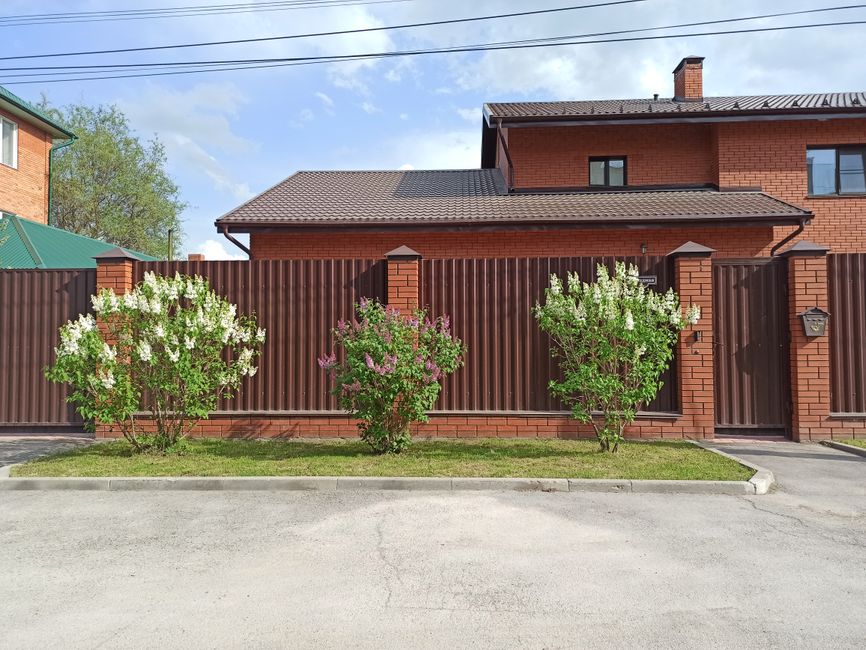
Privacy-style aluminum fencing addresses security and seclusion needs without sacrificing the material's benefits. While solid aluminum panels are less common than with other materials, manufacturers offer designs with minimal spacing between pickets or incorporate lattice patterns that restrict sightlines while maintaining airflow. Some property owners combine aluminum framework with composite or vinyl privacy inserts for a hybrid solution.
Pool fencing represents a specialized application where aluminum excels. Safety regulations require pool enclosures to meet specific height and spacing requirements, and aluminum's strength-to-weight ratio makes it ideal for self-closing gates and secure latching mechanisms. The material's resistance to pool chemicals and moisture ensures longevity in this demanding environment.
Commercial-grade aluminum fencing offers enhanced security features for properties requiring more robust protection. These systems typically feature thicker gauge aluminum, reinforced posts, and additional height options. Many commercial designs incorporate anti-climb features such as close picket spacing and pointed finials that deter unauthorized access without appearing fortress-like.
Planning Your Aluminum Fence Installation Project
Successful fence installation begins with thorough planning and accurate measurements. Start by identifying your property boundaries using survey markers or legal descriptions. Many property owners discover boundary uncertainties during this process, making it advisable to verify lines before beginning work. Understanding setback requirements and local zoning regulations prevents costly mistakes and potential disputes with neighbors.
Determining fence height involves balancing functional needs with aesthetic preferences and regulatory compliance. Residential front yards typically allow fences up to four feet tall, while backyard fences may extend to six feet or higher depending on local codes. Pool fencing must meet specific safety standards, generally requiring minimum heights of 48 inches with self-closing, self-latching gates.
Gate placement requires strategic thinking about traffic flow and access needs. Consider where you'll need entry points for lawn equipment, vehicles, or recreational activities. Gates represent the most mechanically complex part of any fence system, so positioning them thoughtfully from the start avoids future modifications. Plan for appropriate gate widths—at least 36 inches for pedestrian access and wider openings for vehicles or equipment.
Modern planning tools have revolutionized how property owners approach fencing projects. Digital mapping and design platforms allow you to visualize fence layouts directly on satellite imagery of your property, experiment with different configurations, and calculate material quantities accurately. These tools help you refine your design before committing to materials or contacting contractors, ensuring your vision aligns with practical considerations.
Cost Considerations and Budget Planning
Understanding aluminum fencing costs helps you develop realistic budgets for your property improvement project. As of 2026, aluminum fence materials typically range from $25 to $45 per linear foot for standard residential-grade systems, with ornamental and custom designs commanding premium prices. Commercial-grade aluminum and specialty applications like pool fencing may cost $40 to $70 per linear foot or more depending on specifications.
Installation labor adds significantly to total project costs. Professional installers generally charge $15 to $30 per linear foot for labor, though rates vary based on site conditions, project complexity, and regional market factors. Difficult terrain, rocky soil, or extensive grading requirements can increase labor costs substantially. Projects requiring concrete post settings rather than driven posts also incur additional expense.
Gate costs deserve separate consideration in your budget. A standard single pedestrian gate typically adds $150 to $400 to your project, while double gates for driveways or wider openings can cost $400 to $800 or more. Automated gate openers for vehicle access represent another expense tier, ranging from $500 to $2,500 depending on features and installation requirements.
Hidden costs can surprise unprepared property owners. Underground utility location services, required by law in most areas, usually cost nothing but take time to schedule. Permit fees vary by jurisdiction but commonly range from $50 to $200. If your property has significant elevation changes, grading work may be necessary before fence installation. Tree removal or stump grinding might also be required along fence lines.
Obtaining accurate estimates before committing to a project protects you from budget overruns and helps you compare contractor quotes fairly. Detailed measurements and clear specification of materials and features ensure quotes reflect your actual needs. According to research from fitness and health organizations, properly planned outdoor improvements including fencing contribute to more active lifestyles by creating defined spaces for recreation and exercise.
Maintenance and Long-Term Care
One of aluminum fencing's greatest advantages is minimal maintenance requirements. Unlike wood fences that need annual staining or painting, and unlike steel that demands rust prevention measures, aluminum fences maintain their appearance with basic cleaning. Most property owners find that occasional rinsing with a garden hose removes accumulated dirt and pollen adequately.
For more thorough cleaning, mild soap and water applied with a soft brush or cloth restores aluminum fencing to like-new condition. Avoid abrasive cleaners or stiff brushes that might scratch the powder-coated finish. Pay particular attention to gates and hinges, where accumulated debris can affect operation. Lubricating moving parts annually with silicone-based spray keeps gates functioning smoothly.
Inspecting your fence periodically helps identify minor issues before they become significant problems. Check post stability, especially after severe weather or ground freezing and thawing cycles. Tighten loose screws or bolts, and verify that gate latches function properly. While aluminum doesn't rust, hardware components may if they're steel rather than aluminum or stainless steel, so consider replacing rusted hardware promptly.
The longevity of aluminum fencing exceeds most alternative materials. Properly installed aluminum fences routinely last 30 to 50 years or more, with many manufacturers offering warranties of 20 years or longer on materials. This durability makes aluminum fencing an excellent long-term investment that adds value to your property while requiring minimal ongoing expense.
Getting Started with Your Fencing Project
Beginning your aluminum fence project in Ethel starts with clarifying your goals and priorities. Define what you want your fence to accomplish—security, privacy, decoration, pet containment, or pool safety. Understanding your primary objectives guides decisions about style, height, and features throughout the planning process.
Researching local contractors or considering do-it-yourself installation comes next. Professional installation ensures proper techniques and often includes warranties on workmanship, but capable homeowners can tackle aluminum fence installation as a weekend project. The material's light weight and modular design make it more DIY-friendly than many alternatives.
Using digital planning tools streamlines the design phase significantly. Rather than sketching layouts on paper or making rough measurements, mapping your fence directly on satellite imagery of your property provides precise visualization and accurate material calculations. This approach helps you experiment with different configurations risk-free and generates specifications you can use when requesting contractor quotes.
Requesting multiple quotes from local contractors ensures competitive pricing and helps you evaluate different approaches to your project. Provide each contractor with identical specifications so you can compare proposals fairly. Don't automatically choose the lowest bid—consider contractor experience, references, warranty terms, and communication style when making your selection.
Conclusion
Aluminum fencing offers Ethel property owners an exceptional combination of durability, beauty, and low maintenance for their outdoor spaces. From ornamental designs that enhance curb appeal to functional security fencing and code-compliant pool enclosures, aluminum adapts to virtually any application. The material's resistance to rust and corrosion, combined with powder-coated finishes that maintain their appearance for decades, makes aluminum fencing a smart long-term investment.
Successful fencing projects begin with thorough planning, accurate measurements, and realistic budget development. Modern digital tools simplify the design process, allowing you to visualize fence layouts on your actual property and calculate costs before contacting contractors. Whether you choose professional installation or tackle the project yourself, understanding aluminum fencing options, costs, and installation requirements positions you for success. By investing time in planning and design, you'll create an outdoor improvement that enhances your property's functionality, security, and aesthetic appeal for decades to come.